






The Rise of 'Specialty' Coffee
So, what exactly is this habit? It’s the move towards “specialty coffee.” Unlike the mass-produced instant coffee powders that have dominated Indian kitchens for decades, specialty coffee is all about quality and origin. Think of it like fine wine. It refers
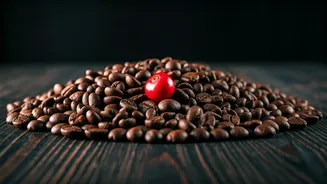
to coffee that scores over 80 points on a 100-point scale, grown in specific microclimates, and appreciated for its unique flavour profile. This isn’t about masking the taste with milk and sugar; it’s about savouring the notes of citrus from an Araku Valley bean or the chocolatey finish of an estate in Chikmagalur. This movement, often called the “third wave” of coffee, prioritises the entire journey—from the farmer who grew the cherry to the barista who expertly brews your cup.
From Kaapi to Cold Brews
India has a long, if regional, history with coffee. South India’s filter kaapi is an institution—a strong, milky decoction that’s a beloved morning ritual. Then came the “first wave” in the 1990s, led by chains like Café Coffee Day, which introduced a whole generation to the café as a social space. The “second wave” brought international giants and their Frappuccinos. But this new, third wave is different. It’s less about socialising over a generic cappuccino and more about engaging with the coffee itself. The new vocabulary includes terms like “pour-over,” “AeroPress,” and “cold brew.” These manual brewing methods, which allow for greater control over extraction, are becoming staples not just in high-end cafes but also in the homes of curious coffee lovers.
The New Crop of Indian Roasters
Powering this shift is a new ecosystem of homegrown coffee companies. Brands like Blue Tokai, Third Wave Coffee Roasters, and Araku Coffee have been instrumental in educating the Indian palate. They’ve built their businesses around transparency, telling the story of where their beans come from and even putting the names of the partner estates on their packaging. They’ve made freshly roasted coffee accessible, moving it from a niche commodity to something you can order online and have delivered to your doorstep. These brands established cafes that feel more like tasting rooms, with open brew bars where customers can watch the brewing process and interact with knowledgeable baristas. They transformed coffee from a simple product into a premium experience.
More Than Just a Beverage
This habit is deeply intertwined with modern urban culture. The aesthetic is a huge part of its appeal—the minimalist cafes, the beautifully designed packaging, and the photogenic latte art are all made for the Instagram grid. But beyond the visuals, it represents a conscious choice. Consumers are increasingly interested in sustainability, ethical sourcing, and supporting local businesses. Knowing that their coffee is single-origin and sourced directly from an Indian farm adds a layer of value that mass-market brands can’t offer. The COVID-19 lockdowns also played a role, accelerating the trend of at-home brewing as people, stuck indoors, sought new hobbies and rituals to elevate their daily routines. Suddenly, grinding beans and mastering a pour-over became a calming, mindful practice.
Is It Just a Big City Trend?
For now, the specialty coffee movement is predominantly an urban phenomenon, thriving in metros like Bengaluru, Delhi, Mumbai, and Pune. The high price point—a bag of specialty beans can cost significantly more than a jar of instant coffee—keeps it a relatively niche market. However, the seeds are spreading. Thanks to the direct-to-consumer (D2C) models adopted by many roasters, coffee enthusiasts in smaller towns and cities can now access high-quality Indian beans. As awareness grows and a younger generation with global tastes and disposable income enters the market, what is currently a niche habit is poised to become a significant part of India’s evolving beverage landscape, sitting right alongside chai and filter kaapi.