







Understand Your Opponent: Humidity
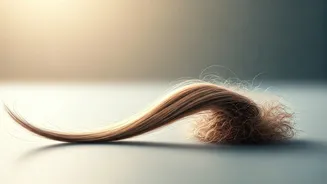
Before we dive into solutions, let’s quickly understand the problem. Hair, especially if it's dry or damaged, has a porous structure. When the air is saturated with moisture (hello, 90% humidity!), your hair strands absorb that excess water, causing them
to swell up. This lifts the outer layer of your hair, called the cuticle, resulting in the dreaded frizz. Trichologists explain that sticky hair, on the other hand, is often a result of excess oil production on the scalp, which can go into overdrive in damp weather, combined with product buildup. The expert-approved strategy, therefore, isn't just about fighting frizz—it's about creating a barrier against moisture and keeping your scalp balanced.
Rethink Your Washing Schedule
It might feel tempting to wash your hair daily to combat the stickiness, but stylists advise against it. Over-washing can strip your scalp and hair of its natural oils, ironically making your scalp produce even more oil to compensate. This also leaves your hair cuticles more vulnerable to absorbing humidity. Experts recommend washing your hair two to three times a week with a gentle, sulphate-free shampoo. Sulphates are harsh detergents that can cause dryness and exacerbate frizz. On non-wash days, if your hair feels greasy, a good quality dry shampoo can be your best friend, absorbing excess oil without stripping your strands.
Conditioning Is Non-Negotiable
Conditioner is your first line of defence against humidity. Well-moisturised hair is less likely to absorb moisture from the air. According to hair care experts, you should always follow your shampoo with a nourishing conditioner, focusing primarily on the mid-lengths and ends, where hair is the oldest and driest. Avoid applying too much conditioner to your scalp, as this can weigh hair down and contribute to that sticky feeling. For an extra layer of protection, consider using a leave-in conditioner. It forms a protective film over your hair shaft, sealing the cuticle and preventing humidity from getting in.
Master the Art of Drying
How you dry your hair is just as important as how you wash it. Vigorous rubbing with a regular cotton towel is a major cause of frizz, as it roughs up the hair cuticle. Instead, celebrity hairstylists swear by microfiber towels or even a simple cotton t-shirt. Gently squeeze or blot the excess water from your hair instead of rubbing. When using a hairdryer, always apply a heat protectant spray first. Use the cool shot button at the end of your blow-dry; this blast of cold air helps to seal the hair cuticle, locking in your style and locking out frizz.
Choose Your Styling Products Wisely
Monsoon is the time to be strategic with your styling products. Heavy, oil-based creams can mix with humidity and sweat, making your hair feel greasy and limp. Opt for lightweight, water-based products. Anti-humidity sprays are a game-changer; they create an invisible shield against moisture. A light-hold mousse can give you volume without the stickiness, while a silicone-based serum can help smooth the cuticle and add shine. Apply just a small amount of serum to the ends of dry hair to tame any flyaways. The key is to use products that control frizz without weighing your hair down.
Don't Forget Your Scalp
A healthy scalp is the foundation of healthy hair. The dampness of the monsoon season can create an ideal environment for fungal infections and dandruff. To prevent this, ensure your scalp is always clean and dry. If you are prone to dandruff, dermatologists often recommend using a shampoo with anti-fungal ingredients like ketoconazole or zinc pyrithione once a week as a preventive measure. Avoid tying up wet hair, as this traps moisture against the scalp and can lead to infections and an unpleasant odour. Let your hair air-dry as much as possible.