







The Seasonal Shift Explained
The Southwest Monsoon, which drenches the subcontinent from June to September, doesn't disappear overnight. Its withdrawal is a staggered process that typically begins from the northwestern states around mid-September and moves southeast over several
weeks, concluding by mid-October for most of the country. As of early September 2026, satellite imagery shows significantly reduced cloud cover over northwest and central India, signalling the weakening of monsoon activity, though the formal withdrawal process is expected to commence after September 15. This transition ushers in a period of clearer skies and more pleasant temperatures, but the lingering humidity and after-effects of heavy rains require careful attention.
Prioritise Health and Wellness
The post-monsoon period is often a peak season for vector-borne diseases. Stagnant water left behind by the rains becomes a fertile breeding ground for mosquitoes, increasing the risk of dengue, malaria, and chikungunya. Key symptoms to watch for include high fever, severe body aches, chills, and rashes. To safeguard your family, eliminate any standing water in and around your home—check flower pots, coolers, and open containers. Using mosquito repellents and nets is highly advisable. Furthermore, water and food contamination can lead to gastrointestinal issues like diarrhoea, jaundice, and typhoid. It's crucial to drink boiled or filtered water and stick to freshly prepared, hygienic food. Avoid street food that may have been exposed to contaminated water or prepared with poor hygiene.
Your Post-Monsoon Home Checklist
Months of relentless rain can take a toll on your home. Now is the perfect time for a thorough inspection and maintenance check. Start by looking for signs of dampness on walls, such as peeling paint or dark patches, and address any leaks from roofs or pipes immediately to prevent structural damage. High humidity encourages mould and fungus, especially in poorly ventilated areas like wardrobes and bathrooms. Ensure good airflow by opening windows when it's not raining and using exhaust fans. Wooden furniture is also vulnerable; it can swell or warp due to moisture. Wipe down wooden surfaces with a dry cloth and consider using a dehumidifier in enclosed spaces. Finally, check your home's drainage systems for any blockages caused by leaves and debris to prevent future waterlogging.
Budgeting for the Festive Season Ahead
The end of the monsoon coincides with the start of India’s festive season. Household budgets often face a double strain during this period: unexpected post-monsoon repair costs and planned festive spending for Dussehra and Diwali. It's wise to factor in potential expenses for home repairs, painting, and pest control. Additionally, the transition can affect food prices. While the end of rains can stabilise or lower the prices of some vegetables by improving transport, crop damage from an erratic monsoon can keep costs for staples like onions and tomatoes volatile. Planning your finances carefully can help you navigate these fluctuating expenses without stress, ensuring you are prepared for both repairs and celebrations.
Planning Post-Monsoon Travel
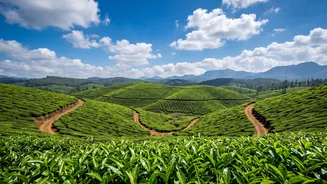
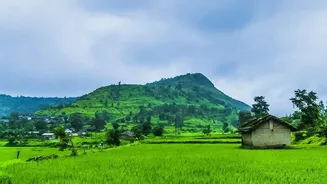
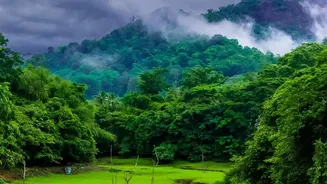
For travellers, the post-monsoon window (October-November) is often considered one of the best times to explore India. The landscape is lush and green, the air is clean, and the skies are clear, offering stunning photographic opportunities. Destinations across Rajasthan, the Himalayas, and the Western Ghats, like Coorg and Munnar, are particularly beautiful after the rains. Many national parks, such as Jim Corbett and Ranthambore, also reopen on October 1st after their monsoon closure. However, it's important to plan with caution. While the weather is generally pleasant, some regions may still be recovering from floods or landslides, and roads could be damaged. Always check local conditions and be prepared for occasional showers, as the monsoon's retreat can be erratic.