

As mist drapes the forests and a pleasant chill fills the air, India's national parks transform into magical realms. Winter is the prime season for wildlife enthusiasts, offering comfortable safaris and unique spectacles across the country.
Ranthambore National Park, Rajasthan: For Majestic Tigers
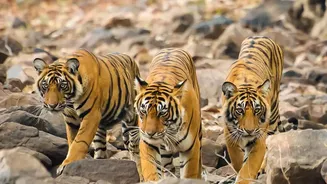
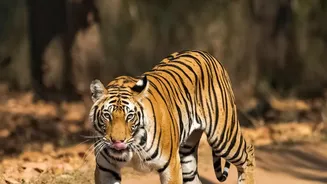
Winter is an
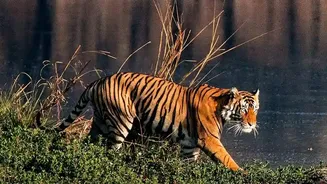
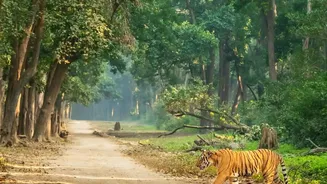
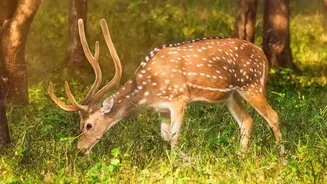
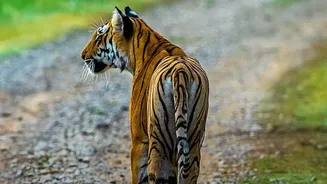
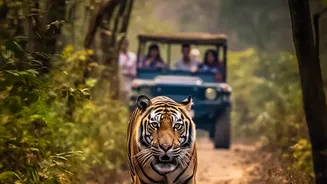
excellent time to visit Ranthambore, one of India's most famous tiger reserves. The pleasant daytime temperatures, which hover between 10°C and 25°C, make for comfortable safari conditions. More importantly, the cool weather encourages tigers to be more active during the day. Instead of hiding from the heat, these magnificent predators are often seen basking in the sun or strolling along forest trails, increasing the chances of a memorable sighting. The landscape, a mix of dry deciduous forests, lakes, and ancient ruins, becomes particularly picturesque with the soft winter light and lingering morning mist. Beyond tigers, the park is a habitat for leopards, sloth bears, sambar deer, and a variety of birds. Combining a safari with a visit to the historic Ranthambore Fort, a UNESCO World Heritage site within the park, adds a unique cultural dimension to the wildlife experience.
Kaziranga National Park, Assam: For Rhinos in the Mist
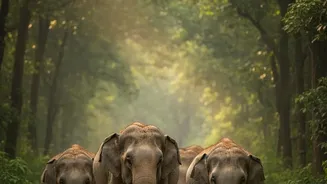
A UNESCO World Heritage Site, Kaziranga is the global stronghold for the greater one-horned rhinoceros. The winter season, from November to February, is the ideal and most practical time to visit, as the park is largely inaccessible during the monsoon floods. In winter, the tall elephant grass that dominates the landscape begins to dry and thin out, dramatically improving visibility. Animals, including the park's famous rhinos, as well as elephants, wild water buffalo, and swamp deer, tend to congregate around the remaining wetlands, making their movements more predictable. The cool, pleasant weather is perfect for both jeep and elephant safaris. Winter also brings a spectacular influx of migratory birds from as far as Central Asia, turning the park's wetlands into a birdwatcher's paradise. Species like the bar-headed goose and ruddy shelduck join the park's resident avian population.
Keoladeo National Park, Rajasthan: For a Birding Spectacle
For a different kind of wildlife encounter, Keoladeo National Park, also known as Bharatpur Bird Sanctuary, is unparalleled. This 29-square-kilometre man-made wetland is a UNESCO World Heritage Site and one of the world's most important wintering grounds for migratory birds. From October to February, the park hosts thousands of birds from Siberia and Central Asia. The wetlands teem with species like bar-headed geese, northern pintails, common teals, and various eagles. It's also home to majestic resident birds like the Sarus crane, the world's tallest flying bird. Unlike other parks, Keoladeo is best explored on foot, by bicycle, or on a cycle-rickshaw with trained local guides who can identify species by sight and sound. This slow, quiet mode of exploration offers an intimate and immersive experience of the avian drama unfolding in the marshes and woods.
Hemis National Park, Ladakh: For the Elusive Snow Leopard
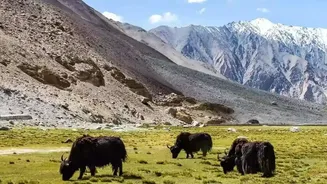
For the truly adventurous, a winter trip to Hemis National Park in Ladakh offers the ultimate prize: a chance to see the 'Ghost of the Mountains'. Hemis is considered the best place in the world to spot the elusive snow leopard. The peak season for sightings is January and February. During these harsh months, heavy snowfall pushes the leopards and their primary prey, the bharal (blue sheep), down from the high peaks into the lower, more accessible valleys like Rumbak. Sighting success rates can be remarkably high for those on guided treks with experienced local spotters. This is not a typical safari; it requires acclimatization to high altitudes and tolerance for extreme cold, with temperatures often dropping well below freezing. Visitors typically stay in village homestays, contributing to a community-based conservation model that is key to the snow leopard's protection. The stark, snow-covered Himalayan landscape provides a breathtaking backdrop for this once-in-a-lifetime wildlife quest.