


1. Master Your Storage Game
The single most important step is to create a barrier between your food and the moist air. Invest in high-quality, airtight containers, preferably made of glass. Plastic can be porous and fail over time, while glass provides a superior seal. Transfer
items like grains, pulses, flours, biscuits, and chips out of their original packaging and into these containers immediately. For spices, small, airtight glass or metal jars are essential to protect them from moisture and preserve their flavour, which can degrade quickly in humid conditions. This simple habit prevents the vast majority of food wastage during the wet season.
2. Location is Everything
Where you store your food matters immensely. Many kitchens have spice racks or cupboards conveniently located above the stove, but this is the worst possible place during humid seasons. The heat and steam from cooking create a microclimate of intense humidity that can ruin spices and other dry goods. Instead, designate a cool, dark, and dry cupboard away from the stove, sink, and any windows. Avoid storing items directly on the floor where moisture can accumulate. A well-chosen location minimizes exposure to the constant temperature and humidity fluctuations that accelerate spoilage.
3. Harness Natural Moisture Absorbers
Simple, everyday ingredients can work as powerful desiccants inside your storage areas. An open box or bowl of baking soda can help dehumidify a small space like a cabinet. You can also place a few grains of uncooked rice in your salt shaker to prevent clumping. For larger containers of rice, flour, or pulses, adding a few dried bay leaves or neem leaves can help absorb moisture and act as a natural antifungal agent. Food-safe silica gel packets are also highly effective; just place them on shelves or in drawers (but not in direct contact with food) to keep the environment dry.
4. Embrace a 'Dry Spoon' Policy
It’s a small habit that makes a huge difference. Never shake a spice jar directly over a steaming pot or use a spoon that has even a hint of moisture. Steam rising from a hot pan can easily enter an open container, trapping moisture inside and causing ingredients to clump and spoil. Get into the habit of using a completely dry spoon or measuring cup every single time. Better yet, pour the required amount of an ingredient into a small bowl first before adding it to your cooking. This prevents moisture, heat, and food residue from contaminating your dry stores.
5. Use Your Refrigerator Strategically
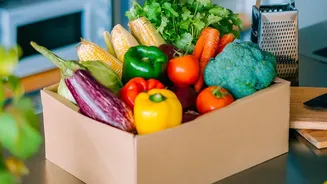
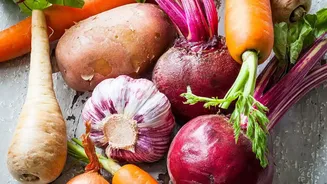
Your fridge is a powerful tool against humidity for more than just perishables. During the most humid months, consider storing items like dry fruits, nuts, and even certain flours and spice powders in the refrigerator to protect them from moisture and pests. Many modern refrigerators also have humidity-controlled drawers, or crispers. Use the high-humidity setting for leafy greens that wilt easily and the low-humidity setting for fruits and vegetables that are prone to rotting, like apples and peppers. This targeted approach can significantly extend the life of your fresh produce.
6. Promote Kitchen Ventilation
Controlling the overall humidity level in your kitchen is a proactive strategy. Whenever you are cooking, especially boiling or steaming, always use your exhaust fan or chimney to pull moist air out of the room. If you don't have one, opening a window can help, provided the air outside isn't even more humid. Good air circulation prevents moisture from settling on surfaces and inside cupboards. Keeping interior doors open can also improve airflow throughout your home, stopping damp, stagnant air from getting trapped in the kitchen.