






What is a Pre-Arrival Digital Registration?
Think of it as a digital heads-up for the country you're visiting. Instead of a traditional visa that requires lengthy applications and approvals, this is a simpler online form. Countries like Malaysia have the Malaysia Digital Arrival Card (MDAC), and Sri
Lanka uses an Electronic Travel Authorization (ETA). These systems replace the old paper forms you used to fill out on the plane. The key difference is that this information—your identity, passport details, and where you’ll be staying—is submitted and checked before you land. The process is generally fast, often free, and results in a confirmation (sometimes with a QR code) that is electronically linked to your passport.
The Top Reason: National Security
The primary driver for these digital systems is security. In a world of increasing global travel, governments want to know who is arriving at their borders before they get there. A pre-arrival registration allows immigration authorities to conduct background checks against various security databases. This helps them flag individuals who might pose a security, health, or immigration risk. While a visa-waiver program signals trust between countries, an Electronic Travel Authorization (ETA) adds a layer of verification. It formalises the idea that this trust is now conditional and digitally screened before you even board your flight. It’s a move from trusting every passport-holder implicitly to verifying them efficiently.
Managing Tourism and Infrastructure
Beyond security, pre-arrival data is incredibly valuable for tourism management. By collecting information on how many travellers are arriving, from where, and for how long, governments can better plan for tourism demand. This data helps in allocating resources for airports, public transport, and popular tourist sites, preventing overcrowding and ensuring a smoother experience for everyone. It helps officials understand travel patterns, which informs future policy decisions, such as extending or modifying visa-free periods. Thailand, for instance, uses data from its digital arrival card system to manage foreign arrivals and make decisions on the duration of visa-exempt stays.
Streamlining the Arrival Process
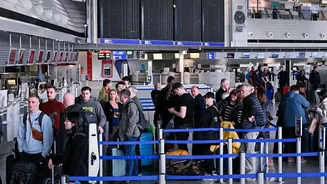
While it may seem like an extra task before your trip, the goal of digital registration is to make your arrival faster and more efficient. By submitting your information in advance, immigration officers already have your details in their system when you reach the counter. This reduces manual data entry, minimizes errors, and cuts down on long queues at the airport. Countries like Malaysia and Thailand have replaced their paper-based TM6 and arrival cards with mandatory digital versions to speed up immigration processing. The system allows for a quicker scan of your passport and a faster stamp, getting you on your way to your holiday sooner.
So, Is It Really 'Visa-Free'?
In the strictest sense, no. You can't just show up with your passport. However, it's important to distinguish these registrations from a formal visa application. An ETA or digital arrival card is not a visa; it is a travel authorisation. The application process is significantly less burdensome—it's done online in minutes, often for free or a small administrative fee, and approval is typically granted within hours, if not instantly. In contrast, a traditional visa involves more detailed forms, potential interviews, and longer waiting periods. Therefore, while not completely spontaneous, it's a much more accessible and traveller-friendly system that balances a country's need for security and data with the traveller's desire for convenience.