






The Timeless Classic: Physical Gold
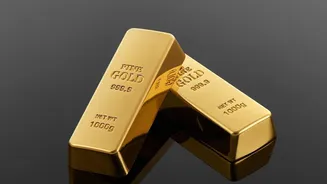
Physical gold is the form we know best: jewellery, coins, and bars. Its primary appeal is its tangibility—you can see it, hold it, and pass it down. This emotional and cultural connection is powerful. However, from a pure investment perspective, it is the most
expensive option. When you buy physical gold, you immediately pay a 3% Goods and Services Tax (GST) on the value of the gold. If you're buying jewellery, you also pay a 5% GST on the making charges, which themselves can range from 8% to over 25% of the gold's value. These initial costs are non-recoverable, meaning your investment is already down by a significant margin from day one. Add to this the recurring costs of secure storage, like bank locker fees and insurance, and the potential for lower resale value due to deductions by jewellers, and the path to profit becomes much steeper.
The Convenient Upstart: Digital Gold
Digital gold, offered by various fintech platforms, allows you to buy 24K gold online in small, affordable increments. You can start with as little as Re 1, making it highly accessible for systematic savers. The gold is stored in insured vaults on your behalf, eliminating storage concerns. However, this convenience comes with its own set of costs. Just like physical gold, every purchase of digital gold attracts a 3% GST. More importantly, there's a hidden cost in the form of a buy-sell spread, which is the difference between the price you buy at and the price you sell at. This spread can range from 2% to 6%, acting as the platform's margin. Combined with GST, your investment could be down 8-9% instantly. Furthermore, digital gold is not regulated by SEBI or the RBI, which introduces a layer of counterparty risk that doesn't exist with more formal financial products.
The Savvy Investor's Choice: Gold ETFs
Gold Exchange Traded Funds (ETFs) are mutual funds that track the domestic price of gold and trade on the stock exchange, just like shares. To invest, you need a demat and trading account. Each ETF unit is backed by physical gold of high purity held by the fund. The biggest advantage of Gold ETFs is their cost structure. There is no 3% GST on purchase, which is a significant upfront saving. The primary costs are the annual expense ratio (typically 0.4% to 0.6%), brokerage fees for buying and selling, and minor demat account charges. This makes them the most cost-effective way to invest in gold, especially for larger amounts. They are also highly liquid, as you can buy or sell them on the stock exchange during market hours. Crucially, Gold ETFs are regulated by SEBI, providing a high degree of investor protection.
Head-to-Head: Costs and Taxes
When we place these three instruments side-by-side, Gold ETFs clearly emerge as the most efficient from a cost and tax perspective. Physical and digital gold both lose 3% to GST at the outset, a cost ETF investors avoid. While physical gold has high making charges, digital gold has a wide buy-sell spread; Gold ETFs have a low annual expense ratio and brokerage fees. The tax treatment also favours ETFs for medium-term investors. Gains from Gold ETFs become long-term capital gains (LTCG) after just 12 months of holding, taxed at 12.5%. For physical and digital gold, you must hold for 24 months to qualify for the same LTCG rate; selling before that means gains are taxed at your personal income slab rate, which is often much higher. This difference can significantly impact your net returns if you need to sell between one and two years.
The Verdict: Which Gold is Right for You?
The instrument that delivers maximum returns net-of-fees is unequivocally the Gold ETF. Its freedom from GST, low holding costs, and regulatory oversight make it the superior choice for anyone investing in gold purely for financial returns and portfolio diversification. However, the 'best' option also depends on your goals. Physical gold remains unparalleled for cultural significance, gifting, and personal use, despite its high costs. It serves a purpose beyond just investment. Digital gold offers unmatched convenience and accessibility for those who want to start small and save systematically without the hassle of a demat account. It acts as an excellent entry point into gold investing. For the serious investor focused on wealth creation and cost efficiency, however, the data points clearly towards Gold ETFs as the smartest route to owning gold.