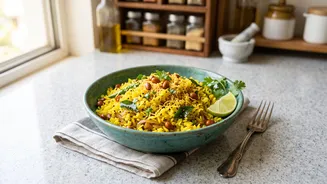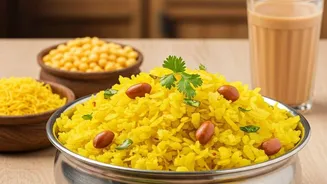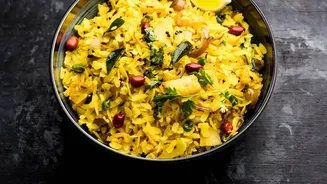





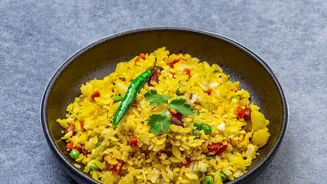
A warm plate of Kanda Poha is like comfort in a bowl. This beloved Maharashtrian breakfast is light, wholesome, and packed with flavour. Follow this simple guide to master this iconic dish and bring an authentic taste of Western India to your kitchen.
The Soul of Indian Breakfast
Poha, or flattened rice, is a staple across India, enjoyed in countless regional variations. It is made by parboiling rice, which is then rolled, flattened, and dried. This process makes it incredibly quick to cook, as it simply needs to be rehydrated rather than boiled from scratch. In Maharashtra, 'Kande Pohe', where 'kanda' means onion, is more than just a meal; it's a cultural touchstone. It's a go-to breakfast in almost every household, a trusted snack for unexpected guests, and was even traditionally served when families met for marriage alliances. Its history is believed to be intertwined with the Maratha Holkars, who carried the dish with them to Central India, where it evolved into the famous Indori poha.
Gathering Your Ingredients
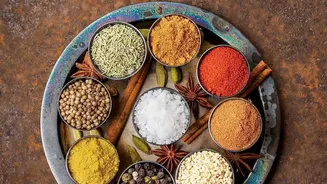
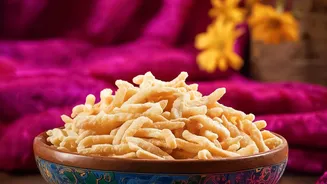
The beauty of Kanda Poha lies in its simplicity. You will need a few core ingredients, many of which are likely already in your pantry. For two generous servings, gather the following: 2 cups of thick poha (avoid the thin variety, as it can turn mushy), 2 medium onions finely chopped, 2 green chillies slit or chopped, a handful of raw peanuts, a sprig of fresh curry leaves, 1 teaspoon of mustard seeds, 1 teaspoon of cumin seeds, half a teaspoon of turmeric powder, 1 teaspoon of sugar, salt to taste, 2 tablespoons of oil, and the juice of half a lemon. For garnish, you'll want freshly chopped coriander leaves and optionally, some grated fresh coconut or crunchy sev.
The Secret to Perfect Poha
The key to fluffy, non-sticky poha is in the preparation of the flattened rice itself. Place the thick poha flakes in a colander or strainer. Rinse them under cold running water for no more than a minute, tossing them gently with your fingers to ensure they are evenly moistened. It's crucial not to soak them in a bowl, as this will make them waterlogged and lumpy. After rinsing, let the poha rest in the colander for about 10 minutes. This allows the flakes to absorb the residual moisture and soften perfectly. You can test a flake by pressing it between your thumb and forefinger; it should crush easily without being mushy. This step is the most important for achieving that ideal, separated-grain texture.
Step-by-Step Cooking Guide
First, heat oil in a kadai or a heavy-bottomed pan over medium heat. If you're using raw peanuts, fry them until they are golden and crunchy, then remove them and set them aside. In the same oil, add the mustard seeds. Once they begin to pop, add the cumin seeds, a pinch of asafoetida (hing), curry leaves, and the slit green chillies. Sauté for a few seconds until fragrant, then add the finely chopped onions. Cook the onions until they become soft and translucent. Next, add the turmeric powder and sauté for another moment. Now, gently add the rested poha to the pan. Sprinkle the salt and sugar over the top. Using a gentle hand, fold the poha into the onion and spice mixture until all the flakes are coated in the yellow masala. Avoid vigorous stirring, which can break the delicate flakes. Cover the pan and let the poha steam on low heat for about 3 to 5 minutes. This allows the flavours to meld together beautifully. Finally, turn off the heat. Add your fried peanuts, a generous squeeze of lemon juice, and chopped coriander. Give it one last gentle mix before serving.
Tips,
Tricks,
and Variations
For an even richer flavour,
some recipes include small,
diced potatoes (batata), which are sautéed along with the onions until tender;
this version is called Kanda Batata Poha.
A pinch of sugar is highly recommended as it balances the tanginess of the lemon and the spice from the chillies,
a signature of Maharashtrian cuisine.
If your poha seems a bit dry after cooking,
sprinkle a tablespoon or two of water over it,
cover the pan,
and let it steam for another minute to restore moisture.
For serving,
a garnish of grated fresh coconut adds a lovely sweetness and texture.
Many also love to top their poha with a generous amount of crispy sev for an extra crunch.
Poha is best enjoyed fresh and hot,
often with a cup of masala chai.