





The Fabric Factor: Your First Step
The foundation of smart travel laundry is choosing the right fabrics. Not all materials are created equal when it comes to washing in a hotel sink and drying overnight. Performance fabrics that are breathable and moisture-wicking are your best friends.
Merino wool is a top contender; it's lightweight, resists odours, and can often be worn multiple times before needing a wash. Synthetics like polyester and nylon are also excellent choices. They are hydrophobic, meaning they repel water and dry incredibly fast—often in just a few hours. On the other end of the spectrum is cotton. While comfortable, it absorbs a significant amount of water and can take 24 hours or more to dry, making it a poor choice if you plan to wash and re-wear it quickly. Linen and silk fall somewhere in the middle, with drying times that can be marginal in humid conditions.
Mastering the Art of Hotel Sink Laundry
Hand-washing a few items every couple of days is far more manageable than letting a huge pile of laundry accumulate. The process is simple. You can use travel-specific detergent sheets, which are lightweight and not subject to liquid restrictions at airports, or even a small amount of shampoo or body wash in a pinch. First, fill the sink, do a quick pre-rinse, then add your detergent and agitate the clothes by rubbing the fabric against itself. After washing, drain the soapy water and rinse the items thoroughly until the water runs clear. For a more robust wash, especially for larger items, a waterproof dry bag can act as a portable washing machine: just add water, detergent, and clothes, then seal and shake.
The Overnight Drying Challenge
Getting clothes to dry by morning is the most critical step. The key is removing as much water as possible before hanging them up. A tried-and-true traveller's trick is the towel roll: lay the wet garment flat on a dry towel, roll them up together tightly, and wring the bundle. The towel will absorb a surprising amount of excess moisture. Once you've done this, hang items with as much space between them as possible to allow for airflow. Use hangers, the shower rod, or even a travel clothesline. If the room has a fan or air conditioning, position the clothes nearby to speed up the process. With this method, quick-dry fabrics like polyester and merino wool should easily be dry by the next morning.
The Repeat Wear Strategy
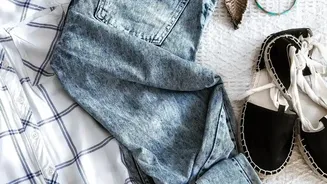
Not everything you wear needs to be washed after a single use. Adopting a repeat-wear strategy is crucial for packing light. Items like jeans, jackets, sweaters, and cardigans can typically be worn many times. A simple system to follow is the 'one-wear, some-wear, many-wear' rule. Underwear, socks, and base layers are 'one-wear' items that you'll wash frequently—which is why choosing quick-drying versions of these is so important. T-shirts and tops might fall into the 'some-wear' category, wearable a couple of times depending on the climate and your activity level. Outer layers like hoodies and jackets are firmly in the 'many-wear' camp. By building a travel capsule wardrobe with neutral colours, you can easily mix and match these pieces to create fresh outfits without anyone noticing.
Building Your Smart Travel Wardrobe
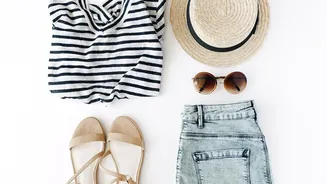
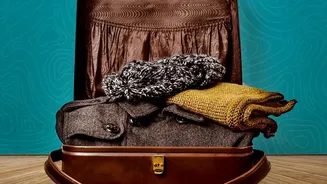
When finalising your packing list, think in terms of outfits and functions. A popular guideline is the 5-4-3-2-1 rule: five tops, four bottoms, three layers, two pairs of shoes, and one dress or versatile item. Ensure most pieces are in neutral, complementary colours like black, navy, or khaki so they can be paired with anything. Before an item earns its spot in your suitcase, ask yourself if it can be worn in at least two different ways. A button-up shirt can be worn on its own or open as a light layer. A versatile scarf can add a pop of colour and double as a wrap on a chilly plane. By being selective and prioritising versatile, quick-drying, and re-wearable items, you’ll find that you need far less than you think.