




Embrace Your Inner Kitchen Scientist
It may sound like something from a school science fair, but the most reliable way to solve a recipe problem is to treat it like a formal experiment. Cooking and baking are, at their core, a series of chemical and physical reactions. When a recipe fails,
it’s because one of those reactions went awry. The key is to isolate the problem, and you can’t do that if you alter multiple factors simultaneously. This is where the scientific method comes into play. It requires you to identify your variables: the independent variable (the one thing you change), the dependent variable (the result you measure, like texture or height), and the controlled variables (everything else you keep exactly the same). By changing only one thing at a time, you can confidently determine cause and effect.
The Folly of Changing Everything
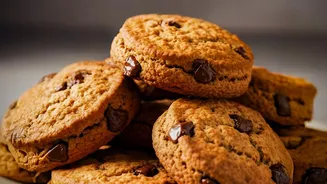
Imagine your favourite chocolate chip cookies suddenly spread into thin, greasy discs. In a panic, you might decide to use a different brand of butter, reduce the sugar, add more flour, and lower the oven temperature for the next batch. If that batch turns out better, you’ll be relieved, but you won't know why. Was it the flour? The sugar? The oven? You’ve solved the immediate problem but learned nothing for the future. Changing multiple variables creates a tangle of causal relationships, making it impossible to know which adjustment was the true solution. This approach prevents you from understanding the fundamentals of the recipe and how ingredients interact, leaving you to guess again the next time something goes wrong.
How to Isolate the Problem
The first step is to identify all the potential variables. Think methodically through your process and ingredients. Common culprits often fall into a few key categories. One is ingredients: check the expiration date on your leavening agents like baking powder and soda, as they lose potency over time. The type of flour—bread versus cake, for instance—can drastically change gluten development and texture. Another category is measurements. Unlike general cooking, baking is precise. Using cups instead of a digital scale can lead to inaccurate amounts of flour, which can cause dry, dense cakes. Finally, consider technique and equipment. Over-mixing a batter can develop too much gluten, while an oven that runs hot or cold can ruin a bake even if you follow the recipe perfectly. The size and material of your pan also play a crucial role.
A Real-World Example: The Sunken Cake
Let’s troubleshoot a common disaster: a cake that sinks in the middle after coming out of the oven. Don't throw the recipe out. Instead, become a detective. Start with the most likely suspect. A sunken cake is often an under-baked cake, so the first variable to test is baking time. For your next attempt, keep every single ingredient and step identical, but increase the baking time by five minutes, testing for doneness with a toothpick. If it still sinks, your next experiment might be to test your oven's true temperature with an oven thermometer. Your oven dial might be inaccurate. Bake again at what you now know is the correct temperature. Still sinking? The problem could be an old leavening agent. Buy fresh baking soda or powder and try again, keeping all other variables the same. By patiently testing one factor at a time, you will inevitably find the root cause.
This Rule Goes Beyond Baking
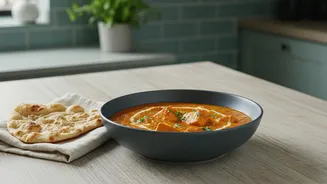
This principle of isolating variables isn’t just for cakes and cookies. It applies to all forms of cooking. If your soup is bland, don't throw in salt, herbs, and acid all at once. Add salt first, taste, and then decide if it needs the brightness of lemon juice. If a curry sauce is too thin, decide on one thickening method—whether it’s a cornstarch slurry or simmering to reduce—and execute it before trying another. If your salad dressing breaks, it's an issue with the emulsion. Instead of starting over from scratch, try re-stabilizing it by whisking in a little more of your emulsifier (like mustard or egg yolk) before slowly re-incorporating the oil. Each adjustment is a small experiment, giving you a clear result and making you a more intuitive and knowledgeable cook in the process.