






How a Pressure Cooker Works Its Magic
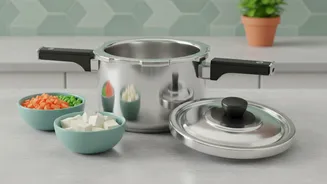
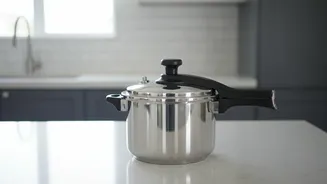
A pressure cooker is essentially a sealed pot that traps the steam created from a liquid inside. As the liquid boils, the trapped steam increases the internal pressure. This rise in pressure has two effects: it raises the boiling point of the water well
above 100°C, and it forces hot steam into the food. This combination of high pressure and high temperature is what allows food to cook so quickly while retaining nutrients and flavour. Think of it as a supercharged cooking environment, all happening inside a sealed vessel.
The Critical Role of the Vent and Safety Valves
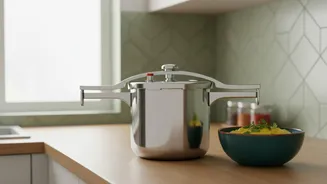
That superheated steam needs to be managed carefully. The main pressure regulating valve, often a weight that jiggles or whistles, is designed to release steam in a controlled way to maintain a steady, safe pressure inside. If that primary valve were to become blocked, modern pressure cookers have backup safety features. These can include a secondary safety valve and an overpressure plug, which is designed to pop out as a last resort to release a dangerous buildup of pressure. These safety mechanisms are the only things standing between a normal cooking process and a dangerous explosion.
The Danger of a Blocked Vent
When a vent is blocked, the pressure inside the cooker can no longer be regulated. It continues to build far beyond the appliance's designed limits. This turns the cooker into a potential bomb. The result of a blocked vent is a steam explosion. This can cause the lid to blow off with incredible force, sending scalding hot food, liquid, and steam erupting across your kitchen. The consequences can be devastating, leading to severe second and third-degree burns, deep cuts from flying metal shrapnel, and significant property damage.
Common Causes of Blockages
A blockage can happen in several ways, and most are preventable. One of the most common causes is overfilling the cooker. A pressure cooker should never be filled more than two-thirds full for most foods. For foods that foam, froth, or expand during cooking—like beans, lentils, pasta, and oatmeal—you should only fill it halfway. The froth or expanded food can get sucked into the vent pipe and clog it. Similarly, not using enough liquid can cause food to burn and stick to the bottom, potentially blocking safety devices from below.
A Quick Pre-Cooking Safety Checklist
Before you start cooking, run through these quick checks. First, inspect the lid. Hold it up to the light and ensure you can see clearly through the vent pipe. Check that all safety valves are clean and move freely. Next, examine the gasket, the rubber or silicone ring that seals the lid. It should be clean, pliable, and free of cracks or damage. A worn gasket can cause leaks and prevent the cooker from reaching pressure properly. Finally, be mindful of the fill lines inside the pot and add at least half a cup of liquid to ensure there's enough to create steam.
Cleaning and Maintenance for Long-Term Safety
Proper maintenance is key to safe operation. After each use, once the cooker is cool, disassemble the lid for cleaning. Remove the gasket and wash the lid, gasket, and pot with warm, soapy water. Use a small brush, like a pipe cleaner or an old toothbrush, to clean the vent pipe and ensure it's free of any food debris. Allow all parts to dry completely before reassembling. Store the pressure cooker with the lid placed upside down on top, rather than locked, to allow air circulation and prevent odours from being trapped. Manufacturers often recommend replacing the gasket every one to two years, depending on use.