





Rethinking the Role of Protein in Ageing
The conversation around healthy ageing often involves exercise, sleep, and a balanced diet. Protein, in particular, is hailed for its role in maintaining muscle mass, which is crucial as we get older. However, a growing body of scientific work, including
a recent major review of over 350 studies, suggests a more nuanced relationship between protein, its components, and our lifespan. The new frontier of longevity research isn't just looking at calories, but at the very building blocks of our food. This has led scientists to investigate protein restriction—consuming less protein—as a potential strategy to improve metabolic health and slow down some biological ageing processes. While much of the most compelling evidence on lifespan extension comes from animal studies, the findings are sparking important questions about optimal human nutrition.
It's Not Just Protein, It's the Amino Acids
Protein is made up of smaller units called amino acids. Think of them as different types of bricks used to build a house. It turns out, not all these 'bricks' have the same effect on our bodies. The research suggests that the benefits linked to protein restriction might not come from simply eating less protein overall, but from limiting the intake of specific amino acids. This targeted approach is where the science gets really interesting. By focusing on particular amino acids, researchers believe they can influence key biological pathways related to how our cells sense nutrients, manage energy, and handle stress, all of which are deeply connected to the ageing process. Two groups of amino acids are currently under the scientific microscope: methionine and a trio known as branched-chain amino acids (BCAAs).
Spotlight On: Methionine
Methionine is an essential amino acid, meaning we must get it from our diet. It's found in high amounts in animal-based foods like meat, fish, and eggs, and to a lesser extent in some plant sources. For years, studies in organisms from yeast to rodents have shown that restricting methionine can extend lifespan and improve metabolic health. This restriction appears to reduce oxidative stress, a form of cellular damage that contributes to ageing. It also seems to trigger protective mechanisms in the body, such as autophagy (the cell's clean-up process) and the production of hydrogen sulfide, which has antioxidant effects. While a direct link to a longer life in humans hasn't been established, the evidence from animal models is strong enough to make methionine a key focus in longevity science.
Understanding Branched-Chain Amino Acids (BCAAs)
The other stars of this story are the branched-chain amino acids: leucine, isoleucine, and valine. BCAAs are famous in the fitness world for promoting muscle growth and repair. However, emerging research suggests that in sedentary individuals, excessive intake might be linked to insulin resistance and other metabolic issues. Some studies have found that restricting BCAAs, particularly isoleucine, can improve metabolic health and even extend lifespan in mice. The science here is complex and sometimes contradictory, as some studies also show benefits from BCAA supplementation, especially for preserving muscle in older adults who exercise. This highlights that the impact of these amino acids is not one-size-fits-all; it likely depends on factors like your activity level and overall health.
What Does This Mean for Your Plate?
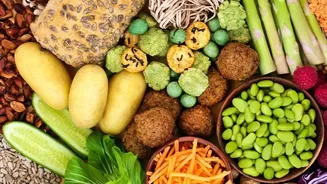
It's crucial to understand that this research does not translate into a blanket recommendation to slash your protein intake. Protein is essential, especially for active individuals and older adults trying to prevent muscle loss. However, the findings do suggest that many sedentary people might be consuming more protein, and specifically more of certain amino acids, than they need. The key takeaway is about balance and quality. Shifting some of your protein intake towards plant-based sources—like lentils, beans, and whole grains—can be a natural way to moderate your intake of methionine and BCAAs, as these amino acids are generally less concentrated in plants than in animal products. The research encourages a more personalised approach to protein, one that considers your age, and most importantly, your activity level.