




The Quick Sprint: What Is HIIT?
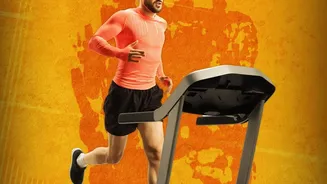
High-Intensity Interval Training (HIIT) is all about efficiency. It involves short, explosive bursts of all-out effort followed by brief recovery periods. Think 30 seconds of sprinting on a treadmill, followed by 60 seconds of walking, repeated for 15-20
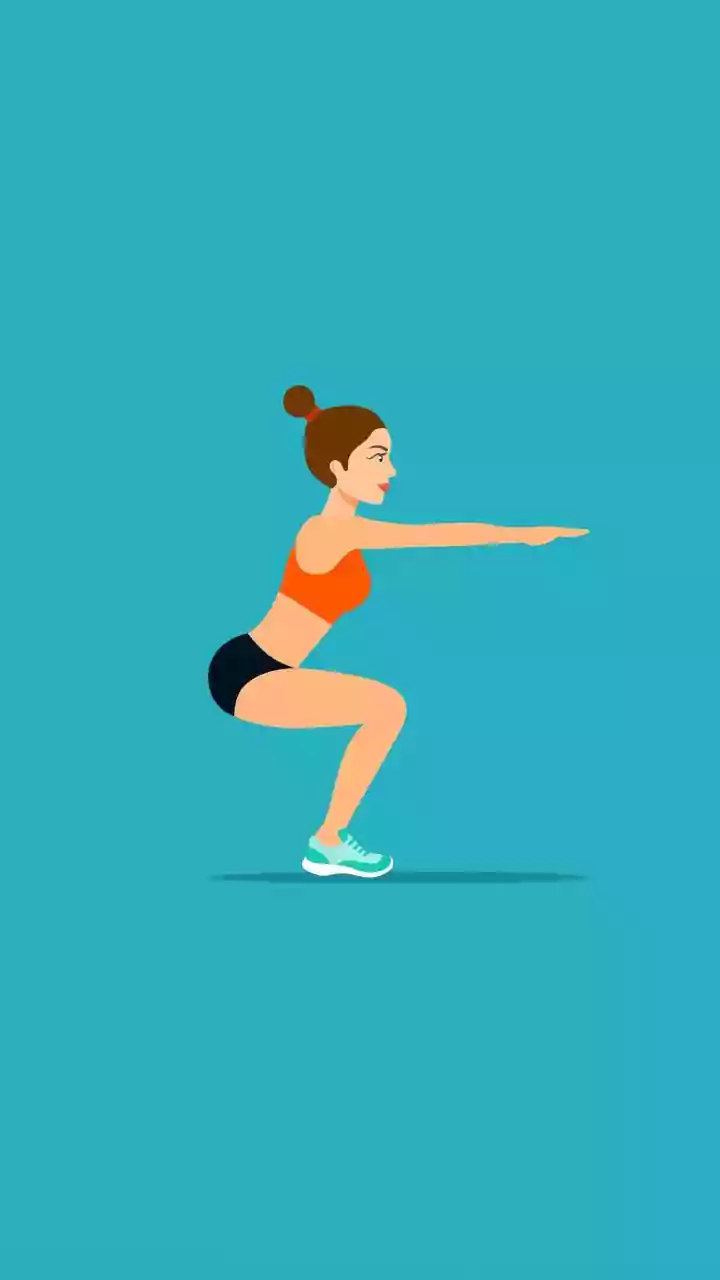
minutes. The goal is to push your heart rate to 85-95% of its maximum during the intense intervals. Because it's so demanding, HIIT sessions are typically short, making them a popular choice for busy professionals. Exercises can range from cycling and rowing to bodyweight moves like burpees and jump squats.
The Steady Marathon: What Is LISS?
Low-Intensity Steady-State (LISS) cardio is the opposite of HIIT. It involves performing an activity at a consistent, low-to-moderate pace for a longer duration, typically 30 to 60 minutes. Think of a brisk walk, a steady bike ride, or a light swim where you can comfortably hold a conversation. During LISS, your heart rate stays in a lower zone, around 50-65% of its maximum. It's less demanding on the body, making it an excellent option for beginners, for active recovery days, or for those who prefer a more meditative form of exercise.
Time vs. Intensity: The Core Trade-Off
For the desk-bound professional, time is precious. This is where HIIT's main advantage shines. A 20-minute HIIT session can deliver cardiovascular benefits similar to a 45-minute LISS workout. However, that efficiency comes at the cost of intensity. HIIT is physically and mentally demanding, and because of the high stress it places on your body, it requires more recovery time. You should generally aim for no more than two to three HIIT sessions per week. LISS, on the other hand, takes longer but is much gentler on the body and can be done more frequently, even daily.
The Battle for Calorie Burn
Both methods help with fat loss, but they work differently. During a LISS workout, your body burns a higher percentage of calories from fat for fuel. However, HIIT burns more total calories per minute. The real secret weapon for HIIT is the 'afterburn effect', scientifically known as Excess Post-Exercise Oxygen Consumption (EPOC). After a strenuous HIIT session, your metabolism stays elevated for hours, meaning you continue to burn calories long after you've stopped sweating. While LISS burns fewer calories post-workout, its longer duration can still lead to a significant total calorie burn.
Best for a Sedentary Body?
Transitioning from a sedentary desk job to intense exercise can be a shock to the system. For true beginners, LISS is often the safer and more approachable starting point. It helps build a solid aerobic base, improves endurance, and is gentler on the joints, reducing the risk of injury. While HIIT is effective, jumping into high-impact, high-intensity movements without a proper fitness foundation can lead to sprains or strains. However, many HIIT workouts can be modified to be lower-impact, such as using a stationary bike instead of doing box jumps. Starting with LISS for a few weeks to build stamina before incorporating HIIT is a smart strategy.
Making Your Choice: HIIT, LISS, or Both?
The best workout for you depends entirely on your goals, schedule, and preferences. Choose HIIT if you are short on time, enjoy a challenge, and want to maximise calorie burn and improve athletic performance. Choose LISS if you are new to fitness, want a lower-impact option, need an active recovery workout, or enjoy longer, less intense sessions to clear your head. For many, the optimal solution is a combination of both. You could perform two HIIT sessions a week for their metabolic benefits and schedule two or three LISS sessions for steady-state calorie burn and active recovery. This approach gives you the best of both worlds: the intensity and afterburn of HIIT, plus the endurance-building and recovery benefits of LISS.