






The Monsoon's Hidden Dangers
The arrival of the monsoon in July brings a welcome respite from summer heat, but it also creates a perfect storm for foodborne illnesses. The combination of high humidity, fluctuating temperatures, and potential water contamination creates an ideal breeding
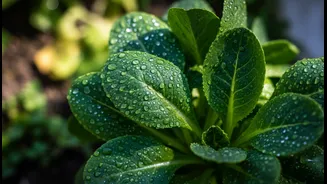
ground for bacteria, viruses, and fungi. Leafy greens like spinach, lettuce, and cabbage, with their large surface area and numerous crevices, are particularly vulnerable. They often grow in damp conditions and can trap mud, germs, and even tiny larvae that are difficult to remove with a simple rinse. This increases the risk of consuming pathogens like E. coli and Salmonella, which thrive in such environments and can lead to serious stomach infections, diarrhoea, and other water-borne diseases like typhoid and cholera.
Why Raw Salads Are a Risky Choice
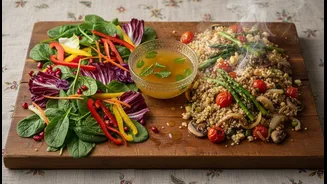
While a crisp salad is refreshing, consuming raw vegetables, especially leafy greens, is widely discouraged by nutritionists during the monsoon months. The risk of contamination from soil and water is simply too high. Even thorough washing may not be enough to eliminate microscopic pathogens hidden in the folds of the leaves. This is why many health experts advise against all raw salads during this period, recommending cooked preparations instead. The logic is simple: heat kills germs. By avoiding raw greens, you significantly reduce your exposure to contaminants that can compromise your digestive system, which is often more sensitive during this season.
Embracing Thermal Processing
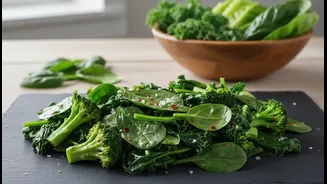
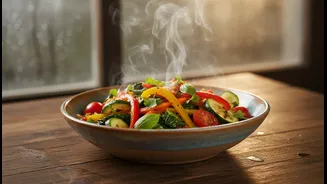
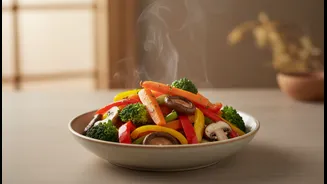
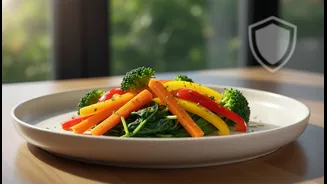
Thermal processing is just a scientific term for cooking with heat. It's the most effective tool in your kitchen for ensuring food safety during the monsoon. Cooking vegetables at a high enough temperature destroys the harmful bacteria, viruses, and parasites that may be present. This doesn't mean you have to overcook your greens into oblivion. Methods like blanching (a quick dip in boiling water), steaming, sautéing, and stir-frying are all excellent forms of thermal processing. They effectively sterilize the food while helping to retain a good amount of nutrients and texture. For instance, lightly steaming or stir-frying spinach not only makes it safer but also preserves its vibrant colour and flavour.
The Added Benefits of Cooking
Beyond killing dangerous microbes, cooking your greens offers other nutritional advantages. The process can help break down tough plant cell walls, making some nutrients more accessible for your body to absorb. For example, cooking spinach helps to reduce its oxalic acid content. Oxalic acid is an anti-nutrient that can interfere with the absorption of minerals like iron and calcium. By applying heat, you make these essential minerals more bioavailable. Furthermore, warm, cooked foods like soups, stews, and light curries are easier on the digestive system, which, as many experts note, can be sluggish during the humid monsoon season.
A Practical Guide to Safe Preparation
If you choose to eat leafy greens, follow a strict preparation routine. Start by washing them thoroughly. Some experts suggest soaking greens in a bowl of water with salt or a splash of vinegar for 10-15 minutes to help dislodge germs and pesticide residues, followed by a final rinse under clean, running water. Discard any wilted or slimy leaves. After washing and chopping, proceed directly to cooking. Don't let cut vegetables sit out for long, as the exposed surfaces can become a breeding ground for bacteria. Incorporate immunity-boosting spices like turmeric and ginger into your cooking, which have natural anti-inflammatory and antimicrobial properties.