



Walking Through Living History
For centuries, before modern roads, Greece was connected by a vast network of stone-paved paths known as 'kalderimia'. These weren't just trails; they were the arteries of rural life, linking villages, monasteries, fields, and even sheepfolds. Used by traders,
pilgrims, and soldiers, many of these routes follow even older Bronze Age or Roman roads. Today, local volunteers and organisations are working to restore these paths, transforming them from forgotten relics into some of Europe's most rewarding hiking trails. Walking them offers a tangible connection to the past, a way to experience the landscape as generations of Greeks once did.
Spotlight: The Menalon Trail
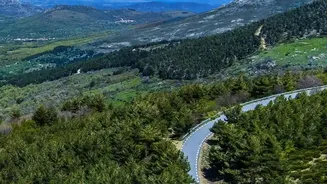
In the heart of the Peloponnese peninsula lies Arcadia, a region steeped in mythology. Winding through it is the Menalon Trail, a 75-kilometre route that was the first in Greece to be certified by the European Ramblers' Association for its quality and safety. This well-marked trail connects nine traditional mountain villages, including the scenic towns of Stemnitsa and Dimitsana. It guides hikers through the dramatic Lousios Gorge, past cliffside monasteries like Prodromos, across stone bridges, and into dense fir forests. The trail is divided into eight sections, allowing for anything from a multi-day trek to a shorter day hike, making it accessible for walkers with a good fitness level.
Island Hopping on Foot: The Corfu Trail
If your dream of Greece still involves the Ionian Sea, consider the Corfu Trail. This long-distance path stretches for roughly 200 kilometres from the island's southern tip to its northern coast. Established in 2001, it was intentionally designed to steer walkers away from busy tourist resorts and into the island's diverse interior. The trail meanders through ancient olive groves, across sandy beaches, over mountain passes, and into quiet, picturesque villages. Hikers can tackle the entire route in about 10 to 15 days or choose shorter sections. The southern part is relatively flat and gentle, while the northern sections include more challenging ascents, like the climb up Mount Pantokrator, Corfu's second-highest peak.
The Epic Cross-Country Hike: The E4 Path
For the truly ambitious adventurer, there's the E4 European Long-Distance Path. This monumental trail starts in Spain and ends in Cyprus, crossing through Greece on its way. The Greek section alone covers approximately 1,800 kilometres, starting at the Bulgarian border and traversing the mainland before hopping by ferry to Crete. It passes through legendary landscapes, including the areas around Mount Olympus, Delphi, and the rugged Peloponnese. The Cretan portion of the E4 is particularly famous, taking hikers through the dramatic Samaria Gorge, one of Europe's longest, and across the White Mountains. This is a serious undertaking for experienced trekkers, offering an unparalleled immersion into the wild beauty of Greece.
Planning Your Greek Walking Adventure
The best time to hike in Greece is typically in the spring (April-June) and autumn (September-October) when the weather is pleasant and the landscape is at its most vibrant. Summer can be extremely hot, especially in the south. For most of these trails, sturdy hiking boots with good ankle support are recommended, as the terrain can vary from smooth dirt paths to rocky, uneven kalderimia. While some trails like the Menalon are well-signposted, carrying a reliable map or GPS device is always wise. Many trails pass through villages where you can find accommodation and local tavernas, allowing you to immerse yourself in Greek hospitality while resting your weary feet.