






Master The Art of Layering
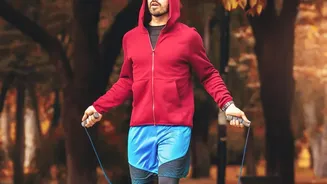
The most critical rule for cold-weather exercise is to dress in layers. This allows you to regulate your body temperature by removing items as you warm up. Aim for a three-layer system. Start with a synthetic, moisture-wicking base layer against your skin
to pull sweat away; avoid cotton, which holds moisture and can make you colder. Add a middle layer of fleece or wool for insulation. Top it off with a breathable, waterproof, and wind-resistant outer shell to protect you from the elements.
A Warm-Up Is Non-Negotiable
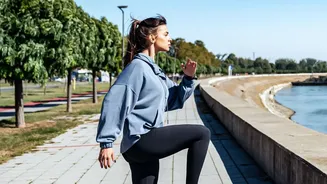
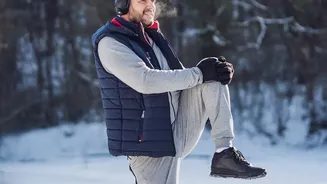
Warming up is always important, but it's even more crucial in cold weather when muscles are tighter and more prone to injury. Before you even step outside, spend at least five to ten minutes performing dynamic stretches. These are active movements that take your joints through their full range of motion. Think leg swings, arm circles, walking lunges, butt kicks, and high knees. This gradually increases blood flow and prepares your body for the workout ahead.
Protect Your Extremities
Your head, hands, and feet are the first to get cold and are most vulnerable to frostbite. A significant amount of body heat is lost through an uncovered head, so always wear a hat or a headband that covers your ears. Wear gloves or mittens to protect your hands. For your feet, choose moisture-wicking socks, possibly made of wool, and consider wearing shoes a half-size larger to accommodate thicker socks without restricting circulation.
Stay Hydrated, Even When It's Cold
It's easy to forget about hydration when you're not sweating under a hot sun, but you still lose fluids through sweat and breathing in cold, dry air. Dehydration affects your body's ability to regulate its temperature, making you more susceptible to the cold. Make sure to drink plenty of water before, during, and after your workout to stay properly hydrated. Warm or room-temperature water can be more appealing than ice-cold drinks in winter.
Time It Right and Be Seen
Winter days are shorter, making visibility a key safety concern. Try to exercise during daylight hours to take advantage of natural light and slightly warmer temperatures. If you must work out in the early morning or evening, wear bright-coloured or reflective clothing to ensure you are visible to drivers and others. Using a headlamp or carrying a light can further enhance your safety. Also, be mindful of the weather forecast and avoid exercising outdoors in extreme wind chills or icy conditions.
Listen To Your Body
It is vital to know the warning signs of cold-related conditions like frostbite and hypothermia. Early signs of frostbite include numbness, a stinging sensation, or loss of feeling, often on the nose, ears, cheeks, fingers, or toes. Symptoms of hypothermia include intense shivering, slurred speech, fatigue, and loss of coordination. If you experience any of these symptoms, get indoors immediately and warm up slowly. If symptoms persist, seek medical attention. Some days, it's simply safer to take your workout indoors.
Cool Down and Change Quickly
Just as a warm-up is essential, so is a proper cool-down. End your workout with a few minutes of light activity, like walking, followed by some gentle static stretching. Once you are done, get out of your damp workout clothes as soon as possible. Staying in wet clothes can cause a rapid drop in body temperature and increase your risk of getting chilled. Change into dry, warm clothes to help your body recover comfortably.