







A Season of Rebirth and Renewal
The monsoon is the lifeline for India’s diverse ecosystems. After months of dry, scorching heat, the rains transform parched landscapes into lush green carpets. This explosion of vegetation provides a fresh and abundant food source for herbivores, from
deer and gaur to elephants. The downpours replenish rivers, lakes, and streams, which are vital sources of drinking water for all fauna. This ecological regeneration is so essential that most of India's national parks, including major tiger reserves like Ranthambore and Kanha, close to tourists during this period. This closure allows the delicate ecosystems to recover from human foot traffic and vehicle movement, preventing soil erosion on the saturated ground and letting nature take its course undisturbed.
The Great Breeding Boom
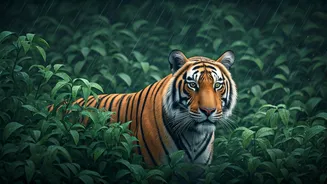
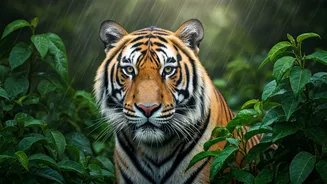
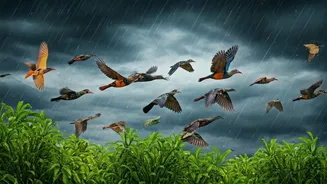
For countless species, the monsoon is synonymous with mating and reproduction. The abundance of food and water creates the perfect conditions for raising young. Many birds, such as cuckoos and francolins, become more vocal as they seek mates, their calls a familiar soundtrack to the rainy season. They build their nests knowing that the surge in insect populations—from termites to butterflies—will provide ample food for their hatchlings. It’s not just birds; amphibians like frogs emerge in massive numbers, their croaking calls filling the night as they breed. Even large mammals, including tigers and elephants, often time their breeding cycles to coincide with this season of plenty, ensuring a higher chance of survival for their offspring. The annual park closures are crucial to protect these species from human disturbance during this sensitive breeding period.
Nature's Necessary Havoc
While life-giving, the monsoon also brings immense challenges. In places like Assam's Kaziranga National Park, the deluge can be devastating. The Brahmaputra River swells and floods vast areas of the park, forcing animals to flee to higher ground. Tragically, many animals, particularly hog deer and even rhino calves, drown or die from exhaustion. This annual flooding, however, is a natural and necessary evil. It acts as a reset button for the ecosystem, flushing out invasive weeds and depositing nutrient-rich silt that rejuvenates the grasslands essential for the park's famous one-horned rhinos. Despite some annual losses, the overall rhino population in Kaziranga has continued to grow, demonstrating the long-term benefits of this harsh natural cycle.
The Human-Wildlife Equation
The chaos of the monsoon often pushes wildlife and humans into closer proximity. As animals are displaced by flooding, they may stray into villages or attempt to cross busy highways to reach safer, higher altitudes. A tiger seeking refuge in a house or rhinos appearing on national highways are not uncommon sights during peak floods in Assam. This increases the risk of human-wildlife conflict and road accidents. Poachers also try to take advantage of the difficult conditions, when forest patrols can be hampered by impassable tracks and reduced visibility. Conservationists and forest departments must therefore adapt their strategies, intensifying their efforts during this critical time.
Conservation on High Alert
Wildlife conservation during the monsoon is a round-the-clock job. In flood-prone areas like Kaziranga, forest guards and rescue teams from organisations like the Wildlife Trust of India work tirelessly. They use boats to patrol submerged areas, rescuing stranded and injured animals. Teams from the Centre for Wildlife Rehabilitation and Conservation (CWRC) provide medical care to displaced animals, from rhino calves separated from their mothers to exhausted deer, with the goal of releasing them back into the wild. Park authorities also use the closure period for essential maintenance, repairing roads, bridges, and anti-poaching camps that have been damaged, ensuring the park is ready and secure for when the waters recede.