


The Golden Rule of Watering
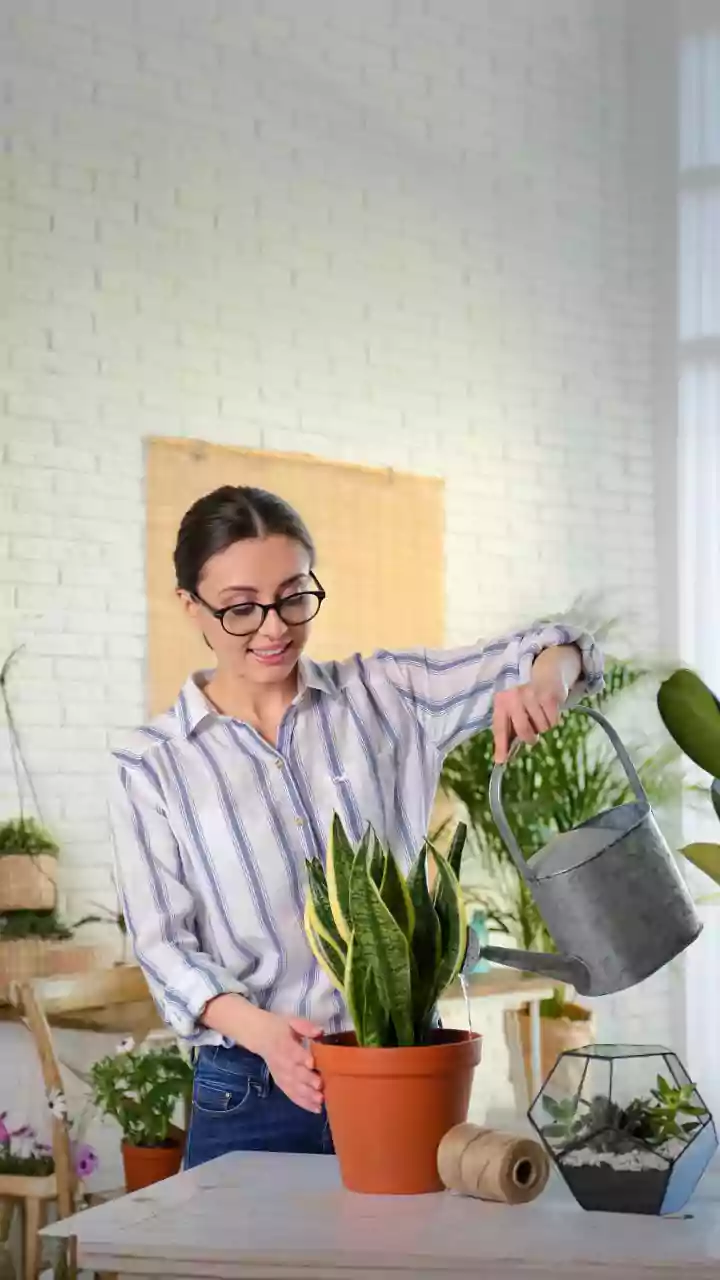
The most common mistake new plant parents make is overwatering. It's an act of love, but it's one that can suffocate the roots and lead to root rot. Instead of watering on a rigid schedule, get to know your plant's needs by checking the soil. A simple
method is the 'finger test': stick your finger about one to two inches into the soil. If it feels dry, it's time to water. If it's still moist, wait another day or two and check again. When you do water, do it thoroughly. Pour water slowly and evenly across the soil surface until it begins to drain from the bottom of the pot. This encourages deep, strong root growth. After a few minutes, discard any excess water from the saucer so the plant isn't left sitting in a puddle.
Let There Be (the Right) Light
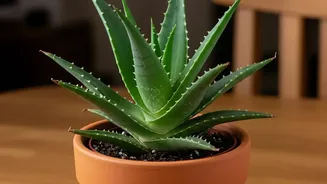
All plants need light to photosynthesize, but not all light is created equal. Insufficient light is a primary reason many houseplants fail to grow. Before you buy a plant, assess the light in your home. 'Bright, indirect light' is the sweet spot for many popular houseplants, like Pothos and Philodendrons. This means a spot near a window where the sun's rays don't directly hit the leaves for hours on end. South or west-facing windows offer intense, direct light, which is great for sun-lovers like succulents but can scorch other plants. East-facing windows provide gentler morning sun, while north-facing windows offer the lowest light levels, suitable only for the most tolerant plants like the Snake Plant or ZZ Plant.
A Happy Home: Pots and Soil
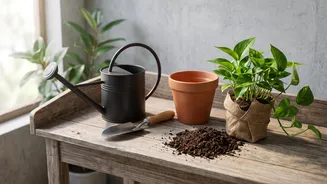
The right container and soil are foundational to a healthy plant. The single most important feature of any pot is a drainage hole. Without it, excess water has nowhere to go, creating a swampy environment that leads to root rot. When it comes to material, porous pots like terracotta are great for beginners because they allow the soil to dry out faster, providing a buffer against overwatering. Plastic or glazed ceramic pots retain more moisture, which is better for plants that prefer consistently damp soil. Never use soil directly from your garden; it's too heavy and can contain pests. Instead, use a quality potting mix formulated for indoor plants, which is lightweight and provides the right balance of aeration and moisture retention.
Start with Forgiving Friends
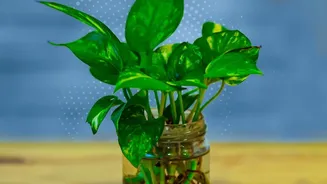
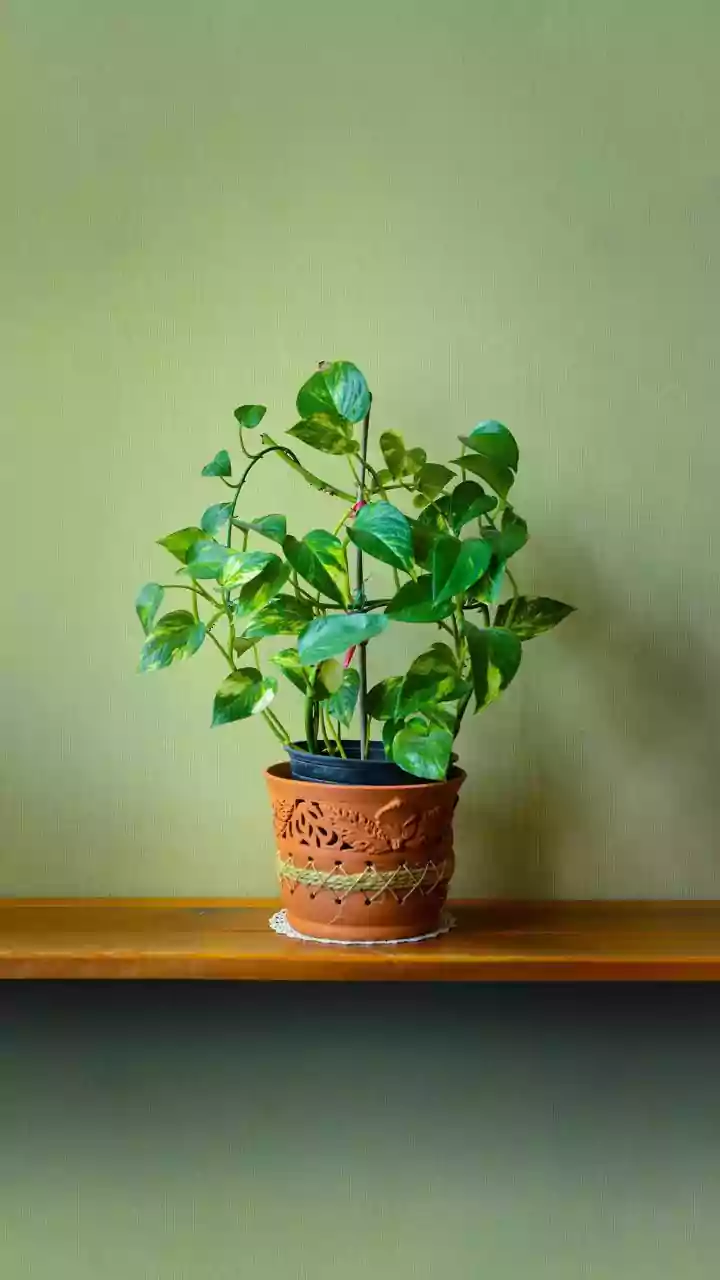
Set yourself up for success by choosing plants known for their resilience. Starting with a demanding plant can be discouraging. Thankfully, many beautiful houseplants are quite tolerant of beginner mistakes. The Snake Plant (Sansevieria) and ZZ Plant (Zamioculcas zamiifolia) are famous for handling low light and infrequent watering. The Pothos (Epipremnum aureum) is another classic, known for its cascading vines that grow readily in various conditions and will often droop slightly to tell you when it's thirsty. Spider Plants are also incredibly easy to care for and even produce 'babies' that can be propagated into new plants.
Less Is Often More
Once you have the basics down, it's easy to think more care equals better results, but houseplants often thrive on a bit of neglect. Most don't need to be fertilized frequently; feeding them once every month or two during the growing seasons (spring and summer) is usually plenty. Too much fertilizer can burn the roots. Similarly, resist the urge to constantly move your plant or repot it into a much larger container. Plants focus on root growth to fill their pot, so a massive upgrade can slow down leaf production. A good rule of thumb is to only move up to a pot that is 1-2 inches larger in diameter. Simply wipe down the leaves with a damp cloth occasionally to remove dust and help them breathe, and you'll have a happy companion.