



Why October Is a Stargazer's Delight
October is a prime month for stargazing in India, marking the transition into the post-monsoon season when the atmosphere is often less hazy. The longer nights provide an extended canvas for celestial events. This year, the calendar is particularly generous.
Early October is blessed with dark skies thanks to a new moon on October 10th, creating perfect conditions for spotting fainter objects. Look forward to two meteor showers: the Draconids early in the month and the famous Orionids later on. Additionally, bright planets like Jupiter and Mars will be making appearances, offering easy targets for even the most novice observers.
The Search for True Darkness
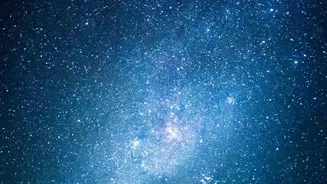
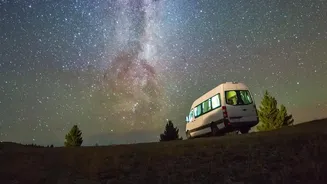
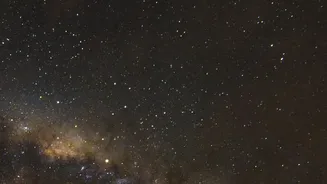
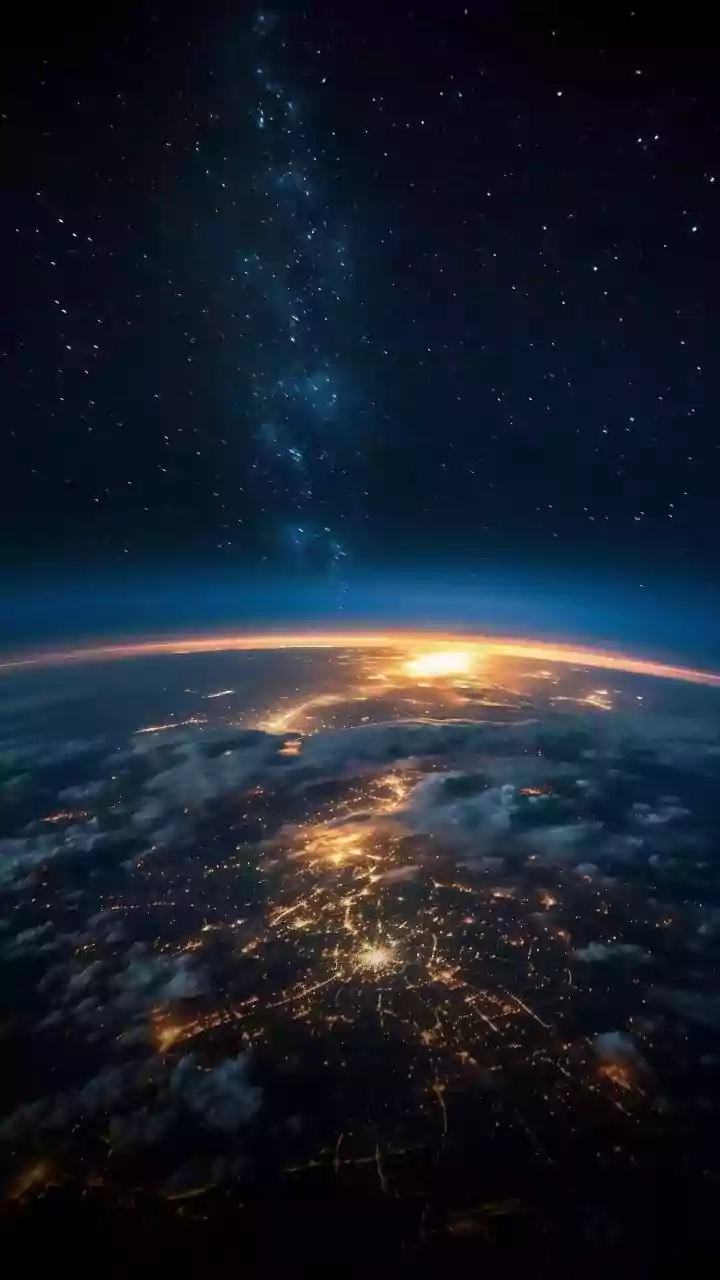
The single most important factor for good stargazing is not a telescope, but a dark sky. The glow from our cities, known as light pollution, washes out all but the brightest stars and planets. To truly see the spectacle of the night sky, you need to escape this artificial twilight. In a major city, you might see a few dozen stars; from a truly dark location, you can see thousands. The difference is staggering. These prime viewing locations are often found in remote areas, high-altitude regions, or designated dark sky parks, far from the glare of urban centres. Places like Hanle in Ladakh, parts of Spiti Valley, and the Rann of Kutch are famous for their pristine, ink-black skies.
How to Find Your Dark Spot
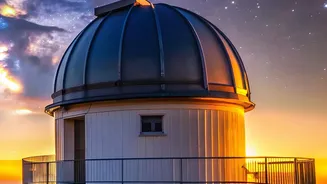
You don't necessarily need to travel to the Himalayas to find a good viewing spot, though high-altitude areas in states like Uttarakhand offer exceptional clarity. The goal is to put distance between you and major population centres. Start by looking at a light pollution map online (like lightpollutionmap.info) to identify darker zones within a few hours' drive. National parks, state forests, and even remote agricultural areas can be excellent choices. When scouting a location, look for a spot with an open view of the horizon, away from direct sources of light like streetlights or car headlights. Check if the location is safe and accessible at night. For first-timers, joining a group or visiting an observatory like those run by Starscapes in Kausani or Coorg can be a great, guided introduction.
What You Actually Need (and Don't)
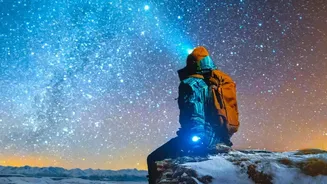
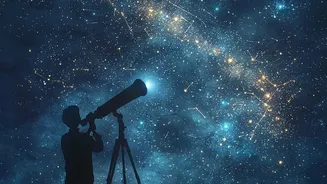
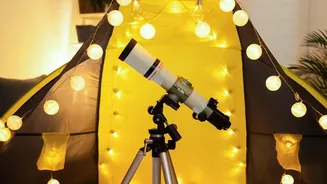
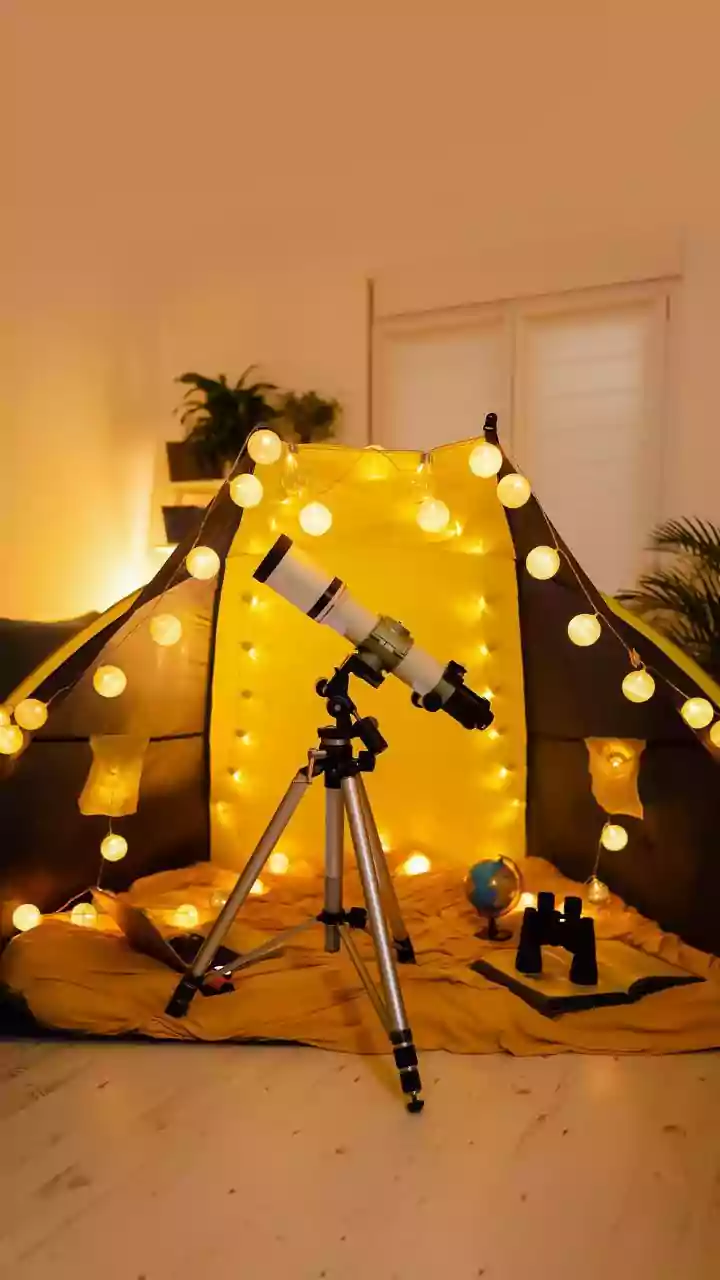
Forget the idea that you need an expensive telescope. The best starter kit for a stargazer is surprisingly simple. Your own eyes are your primary tool. Give them at least 20-30 minutes to fully adapt to the darkness; avoid looking at your phone screen during this time, as the white light will ruin your night vision. If you need light, use a torch with a red filter, as red light is less disruptive. A pair of basic binoculars (10x50 is a great start) will dramatically enhance your view, revealing craters on the Moon, the moons of Jupiter, and the fuzzy glow of star clusters like the Pleiades. Finally, a stargazing app on your phone (used sparingly and in red-light mode) can act as a digital star chart, helping you identify what you're looking at.
Your October Celestial Checklist
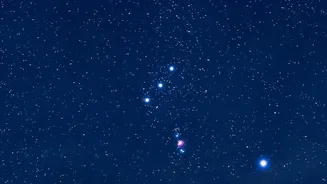
This month offers several must-see events. Mark your calendar for the Draconid meteor shower, which peaks on the evening of October 8-9. Unlike many showers, the Draconids are best viewed in the evening shortly after dark, and with the new moon nearby, skies will be perfectly dark. Later, the Orionid meteor shower, born from the debris of Halley's Comet, peaks on October 21-22. The best time to watch for these will be in the pre-dawn hours, after the bright moon sets. Throughout the month, Saturn will be visible all night long, reaching its brightest point on October 4. In the pre-dawn sky, look for a close pairing of the crescent Moon and Mars on October 5.