





Why Cats Crave the High Ground
Before diving into the specifics of cat bridges, it's essential to understand why cats are so drawn to heights. In the wild, cats are both predators and prey. A high vantage point gives them a secure spot to survey their territory, watch for potential
threats, and spot their next meal (or in a domestic setting, their favourite toy). This instinct doesn't disappear just because they live indoors. Providing vertical space isn't just a luxury; it's a fundamental part of feline enrichment. It satisfies their natural urge to climb, explore, and feel safe. A cat without access to vertical territory can become bored, stressed, or anxious, which can sometimes lead to behavioural issues.
The Small Space Solution
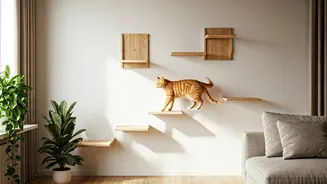
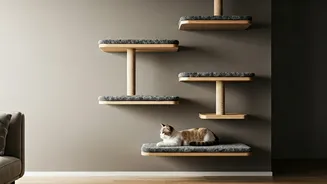
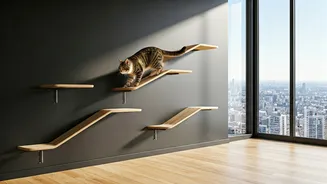
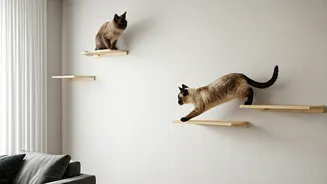
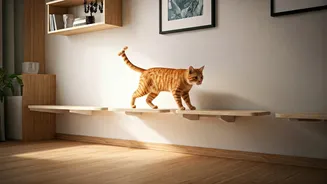
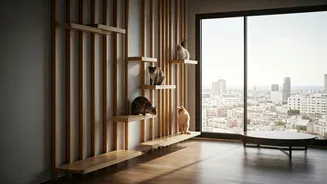
This is where the cat bridge becomes a game-changer for those in apartments, condos, or smaller homes. Traditional, floor-based cat trees can be bulky, occupying a significant footprint that you simply might not have to spare. Cat bridges, along with other wall-mounted furniture like shelves and perches, utilize the empty, vertical real estate on your walls. By moving your cat's activity zones upward, you reclaim valuable floor space for your own furniture and movement. A well-placed bridge system turns 'dead space' near the ceiling into a functional, enriching environment for your pet without making your living area feel cramped or cluttered.
Choosing the Right Cat Bridge
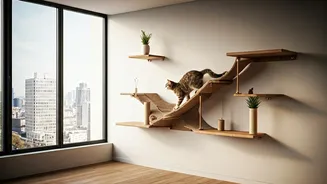
Not all cat bridges are created equal. When selecting one, consider three key factors: materials, length, and weight capacity. Bridges are commonly made from a combination of wood planks and rope, but some feature canvas or other sturdy fabrics. Choose durable, high-quality materials that can withstand scratching and regular use. Measure the distance between the two points you want to connect to ensure you buy the correct length. Most importantly, check the manufacturer's recommended weight limit. Ensure it can safely support your cat, or multiple cats if you have a multi-feline household. Style is also a factor; many modern cat furniture companies offer sleek, minimalist designs that can blend seamlessly with your home decor.
Planning Your Installation for Safety
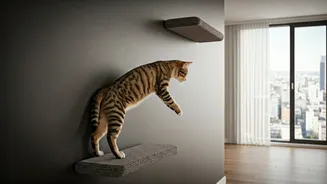
Proper installation is non-negotiable for your cat's safety. The golden rule is to always anchor the bridge supports directly into wall studs. Drywall alone is not strong enough to hold a cat's weight, especially when they are running or jumping. Use a stud finder to locate these structural supports before you drill. Consider placement carefully. The bridge should be accessible from another piece of furniture, like a bookshelf, a cat tree, or a dedicated wall perch. Avoid placing it directly over high-traffic areas like doorways or above delicate furniture. Ensure the height is challenging but not dangerously high, allowing your cat a safe path up and down.
Creating a Feline Superhighway
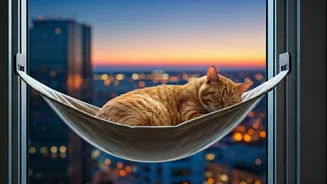
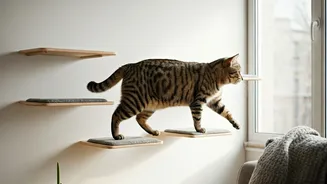
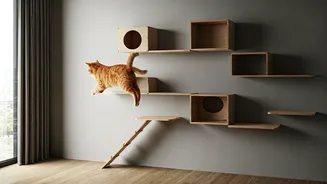
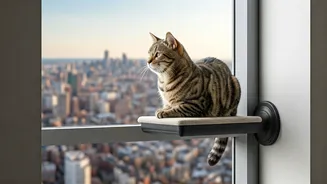
A single cat bridge is great, but its true potential is unlocked when it becomes part of a larger 'cat superhighway.' Think of the bridge as the connecting road between destinations. You can link it to wall-mounted shelves, cozy hammocks, scratching posts, and window perches. The goal is to create a complete circuit that allows your cat to navigate a portion of the room without ever touching the floor. This provides immense mental and physical stimulation, mimicking the complex environments they would explore in nature. It encourages exercise, builds confidence, and can even help reduce territorial disputes in multi-cat homes by providing more personal space for everyone.