




The Green Shift in Urban India
A growing number of urban Indians are turning to gardening, not as a niche hobby, but as a practical lifestyle choice. This trend is driven by a desire for healthier, pesticide-free food, relief from the stresses of city life, and a need to reconnect
with nature. Concerns about food quality and rising grocery costs have prompted many families to take control of what they eat by growing it themselves. The satisfaction of harvesting your own chemical-free coriander or tomatoes provides a powerful incentive. Furthermore, the mental health benefits are significant; studies and personal anecdotes show that even brief interactions with plants can reduce anxiety and improve mood, offering a much-needed escape from the concrete jungle.
Why the Balcony Is the New Backyard
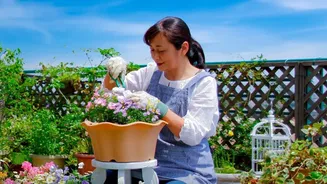
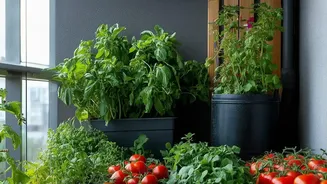
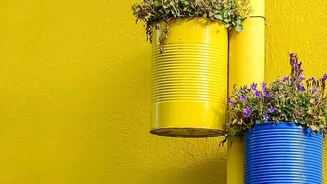
For apartment dwellers, the lack of a traditional backyard is no longer a barrier. Small balconies are being cleverly transformed into productive green spaces through innovative techniques. Vertical gardening is a game-changer, using wall-mounted planters, tiered shelves, and trellises to grow plants upwards, maximising a small footprint. Railing planters and hanging pots free up valuable floor space, allowing for a surprising amount of greenery without causing clutter. Even repurposed items like old buckets and crates can be used as containers, making it a budget-friendly endeavour. This efficient use of space proves that you don't need a large area to create a thriving garden.
What to Grow in Your Urban Oasis
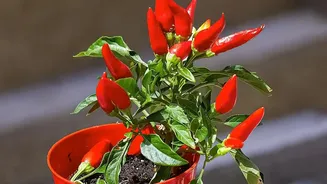
The key to a successful balcony garden is choosing the right plants for your space and climate. For beginners, it's best to start with low-maintenance varieties. Herbs are an excellent starting point; coriander, mint, tulsi, and curry leaves are used frequently in Indian cooking and grow easily in small pots. When it comes to vegetables, fast-growing leafy greens like spinach (palak) and fenugreek (methi) are highly productive. Fruiting plants like cherry tomatoes and green chillies are also dependable choices for balconies that receive at least five to six hours of sunlight. For those with shadier spots, mint and spinach can still thrive with just a few hours of sun.
Your First Steps to Getting Started
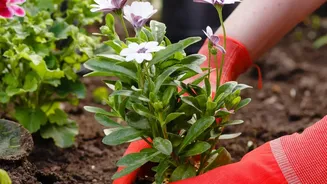
Starting your own balcony garden is simpler than it seems. First, observe your balcony to identify how many hours of sunlight different areas receive. This will determine what you can grow. Next, select your containers, ensuring they have drainage holes to prevent waterlogging. For soil, avoid using heavy garden soil alone; a lightweight potting mix of soil, cocopeat, and compost is ideal for containers as it retains moisture while allowing good drainage. You can either start from quality seeds or buy small seedlings from a local nursery to get a head start. Finally, be mindful of watering. Instead of a fixed schedule, check the soil; water only when the top inch feels dry to the touch.
More Than Just a Hobby
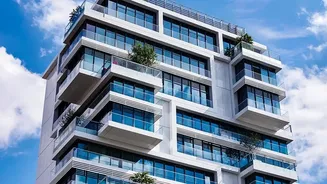
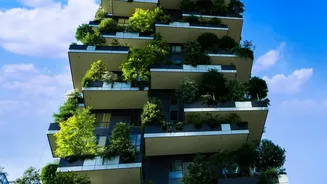
The impact of urban gardening extends far beyond the individual balcony. These small green patches contribute to a healthier urban environment by improving air quality and reducing the 'urban heat island' effect, where cities are significantly warmer than surrounding rural areas. Some rooftop gardens have been shown to lower house temperatures, potentially reducing the need for air conditioning. The practice also fosters a greater appreciation for food and can reduce household waste through composting. For families, it's a wonderful way to teach children about nature and where their food comes from. Ultimately, it represents a shift towards a more sustainable and mindful way of living in the city.