






From Concrete to Canopy
When we think of infrastructure, we often picture concrete and steel: dams, canals, and pipelines. But there is another, older system at work. 'Natural infrastructure' refers to the services that nature provides for free. This includes forests that purify
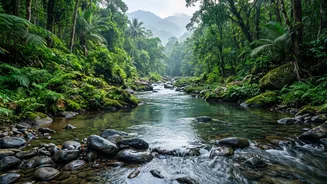
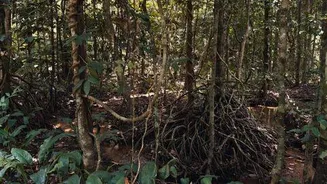
drinking water, wetlands and floodplains that absorb floodwaters, and mangroves that protect coastlines. Unlike 'grey' or built infrastructure, these living systems are often more cost-effective and resilient, capable of self-repair and adapting to environmental changes. The strategy is simple: instead of fighting nature, work with it. By protecting and restoring these ecosystems, we can enhance water quality, regulate water flow, and reduce our reliance on expensive engineered solutions.
Kerala’s Water Paradox
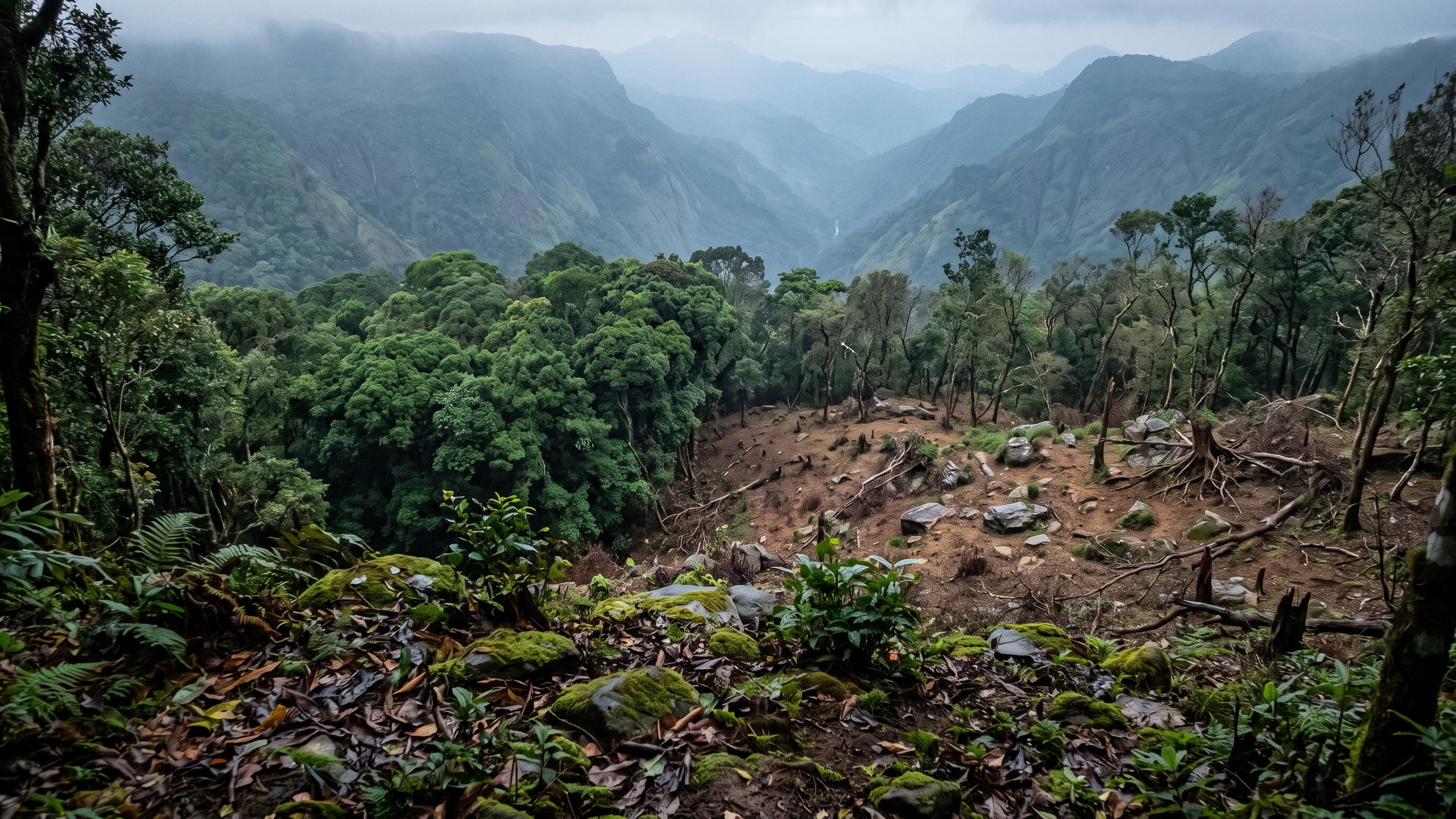
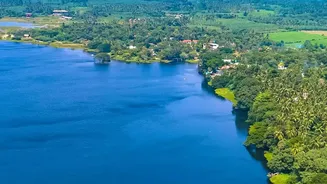
Kerala is famously water-rich, receiving an average annual rainfall of over 3,000 mm and boasting 44 rivers. Yet, 'God's Own Country' frequently finds itself in a precarious situation, oscillating between devastating floods and severe water shortages. The state’s steep terrain causes rainwater to run off quickly into the sea, limiting groundwater recharge. This problem is compounded by decades of environmental degradation, including the rapid disappearance of wetlands and paddy fields that once acted as natural sponges. The 2018 floods highlighted this vulnerability, as massive rainfall was lost as surface runoff instead of replenishing groundwater, leading to fears of a drought soon after. This paradox underscores the urgent need for a more integrated approach to water management.
Putting Nature on the Map
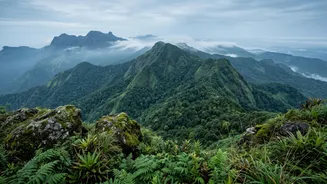
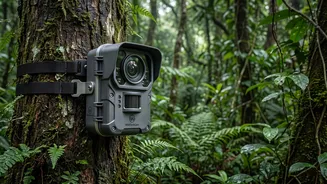
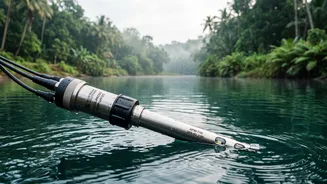
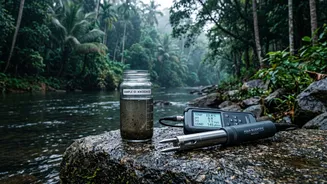
If you can't measure it, you can't manage it. This is the principle behind the recent push to assess Kerala's natural infrastructure. In October 2026, the state launched a 'Comprehensive Red List Assessment of Ecosystems', a two-year project to map and evaluate the health of critical ecosystems across all 14 districts. Led by the Kerala Forest Research Institute (KFRI) and funded by the Kerala State Biodiversity Board, the initiative uses the rigorous IUCN Red List of Ecosystems framework. By employing tools like satellite imagery, GIS mapping, and on-ground surveys, authorities can diagnose the health of entire ecosystems, from Shola grasslands to coastal mangroves. This provides planners with the data needed to make evidence-based decisions, ensuring that development does not come at the cost of the very systems that sustain life.
How Assessment Leads to Action
Assessing natural infrastructure is more than an academic exercise; it is a direct line to smarter policy and better protection. When the value of a wetland for flood control or a forest for water purification is quantified, it becomes a recognized asset in planning. This data empowers local bodies to create targeted conservation plans and resist the encroachment and conversion of these vital lands. For instance, the Kerala Paddy Land and Wetland Conservation Act of 2008 was a landmark step to curb indiscriminate reclamation. Modern assessments provide the scientific backing to strengthen and expand such regulations. By knowing which ecosystems are most at risk, the government can prioritize resources, from restoring mangrove forests to clearing invasive species that threaten native biodiversity and water flows.
Building a Resilient Future
The long-term benefits of safeguarding natural infrastructure are immense. Healthy forests and wetlands act as natural filters, reducing water treatment costs. They are also crucial for groundwater recharge, which helps mitigate the droughts that now plague many parts of the state. During heavy monsoons, well-preserved floodplains and mangroves absorb excess water, reducing the intensity and damage of floods. This approach not only secures water resources but also boosts biodiversity, sequesters carbon, and supports livelihoods through tourism and sustainable agriculture. By integrating these 'green' solutions with existing 'grey' infrastructure, Kerala can build a more resilient and sustainable water future, turning its water paradox into a story of prudent, nature-led management.