




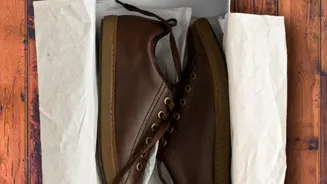


The Right Shoes for Wet Terrain
Footwear can make or break a monsoon trip. While it’s tempting to pack heavy-duty boots, they often become waterlogged and can take days to dry in the humid air. Instead, prioritise shoes that are water-resistant, offer excellent grip, and dry quickly.
Sporty sandals with rubber soles and ankle straps are a fantastic choice, as they provide stability on slippery surfaces and allow water to drain away. Avoid standard flip-flops, which can be treacherous on wet paths. For those who prefer closed shoes, look for lightweight waterproof sneakers or trail runners with Gore-Tex (GTX) membranes that keep water out while remaining breathable. Whatever you choose, ensure the soles are slip-resistant to navigate slick city pavements and muddy trails with confidence.
Smart Clothing Choices for Humidity
When it comes to clothes, fabric is everything. While cotton is often recommended for Indian weather, it performs poorly during the monsoon as it absorbs moisture and takes a very long time to dry. Instead, opt for quick-drying synthetic fabrics like polyester, nylon, rayon, or crepe. These materials wick moisture away from your skin and will dry overnight even in a humid hotel room. Pack lightweight tops, trousers, and underwear made from these blends. It's also wise to choose darker colours that are more forgiving of mud splashes. While you'll need a reliable waterproof rain jacket or poncho, avoid heavy layers that trap humidity. A light scarf or a thin fleece can be useful for cooler evenings in hill stations.
Protecting Documents and Electronics
Water can be disastrous for your passport, visa, tickets, and electronics. Your first line of defence is simple and effective: waterproof pouches or even basic zip-top plastic bags. Keep your passport, phone, wallet, and any essential medications in a dedicated waterproof pouch that you can carry in your daypack. For added security, it's a smart practice to digitise your important documents. Before you leave, scan your passport, ID, and travel itinerary, and upload them to a secure cloud service. This ensures you have a backup that can be accessed from anywhere in case your physical documents are lost or damaged. Consider using a backpack with a built-in rain cover for an extra layer of protection for all your belongings.
Managing Laundry on the Go
Doing laundry during the monsoon requires a specific strategy because high humidity is your biggest enemy. Clothes can take days to air-dry and can develop a musty, mildewy smell if not handled correctly. The best approach starts with the clothes you pack; quick-dry fabrics are essential. This allows you to hand-wash small items in your hotel sink and have them ready by the next morning. When hanging clothes to dry, ensure there is plenty of space between garments for air to circulate. If you can, position them near a window or a fan to speed up the process. Never pack or store any piece of clothing that feels even slightly damp. Packing a few extra dryer sheets or lavender sachets in your suitcase can also help keep everything smelling fresh.