



Meet Japandi: The Perfect Union
If you've felt that stark, museum-like minimalism is too cold, but rustic clutter is too chaotic, you’re not alone. The design world has found a beautiful middle ground in an aesthetic often called 'Japandi.' This is not a fleeting trend but a thoughtful
fusion of two powerful design philosophies: Japanese minimalism and Scandinavian warmth. From Japan, it borrows the principle of *wabi-sabi*—finding beauty in imperfection, simplicity, and natural materials. From Scandinavia, it takes *hygge* (pronounced 'hoo-ga')—the Danish concept of coziness, contentment, and well-being. The result is a style that is clean and uncluttered but also deeply personal, warm, and inviting. It’s a design approach that values craftsmanship, functionality, and a peaceful atmosphere above all else, making it a perfect antidote to our busy, hyper-connected modern lives.
The Philosophy of a Sanctuary Home
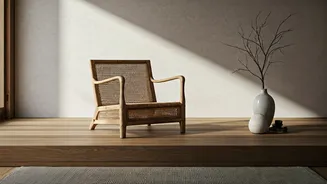
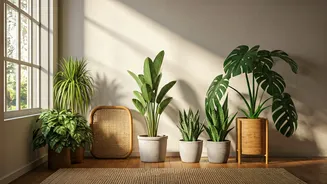
The rise of Japandi isn’t just about aesthetics; it's a direct response to a collective desire for our homes to be true sanctuaries. In a world that often feels overwhelming, this style offers a visual and emotional retreat. Every element is chosen with intention, designed to reduce 'visual noise' and promote a sense of calm. The focus isn't on having less for the sake of it, but on having only what is beautiful, functional, or deeply meaningful. This philosophy transforms a house from a collection of things into a space that actively supports mental well-being. By emphasizing natural light, open flow, and a connection to the outdoors (even if just through materials), Japandi design helps ground us and foster a slower, more mindful way of living within our own four walls.
A Palette Pulled from Nature
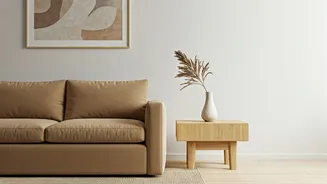
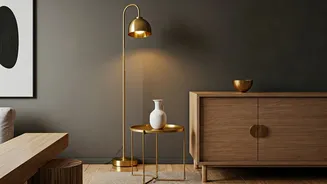
Color is fundamental to the Japandi feel, but you won't find bright, jarring hues. Instead, the palette is muted, soothing, and pulled directly from the natural world. Think of the soft grays of river stones, the creamy whites of cotton, the earthy tones of clay, and the deep charcoal of slate. While Scandinavian design often favors bright whites and cool grays, the Japanese influence introduces warmer, earthier neutrals like beige, taupe, and oatmeal. Accent colors are used sparingly and intentionally. When they do appear, they are also derived from nature: a muted sage green, a soft terracotta, or a deep indigo blue. This restrained approach to color creates a cohesive and tranquil backdrop that allows the textures and forms within the room to take center stage.
A Celebration of Texture and Material
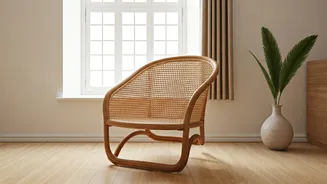
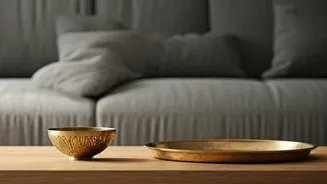
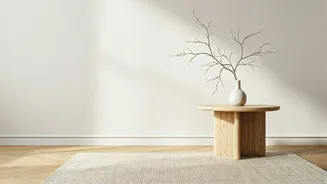
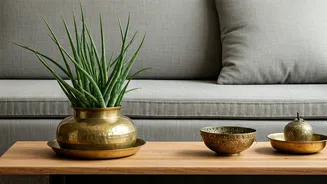
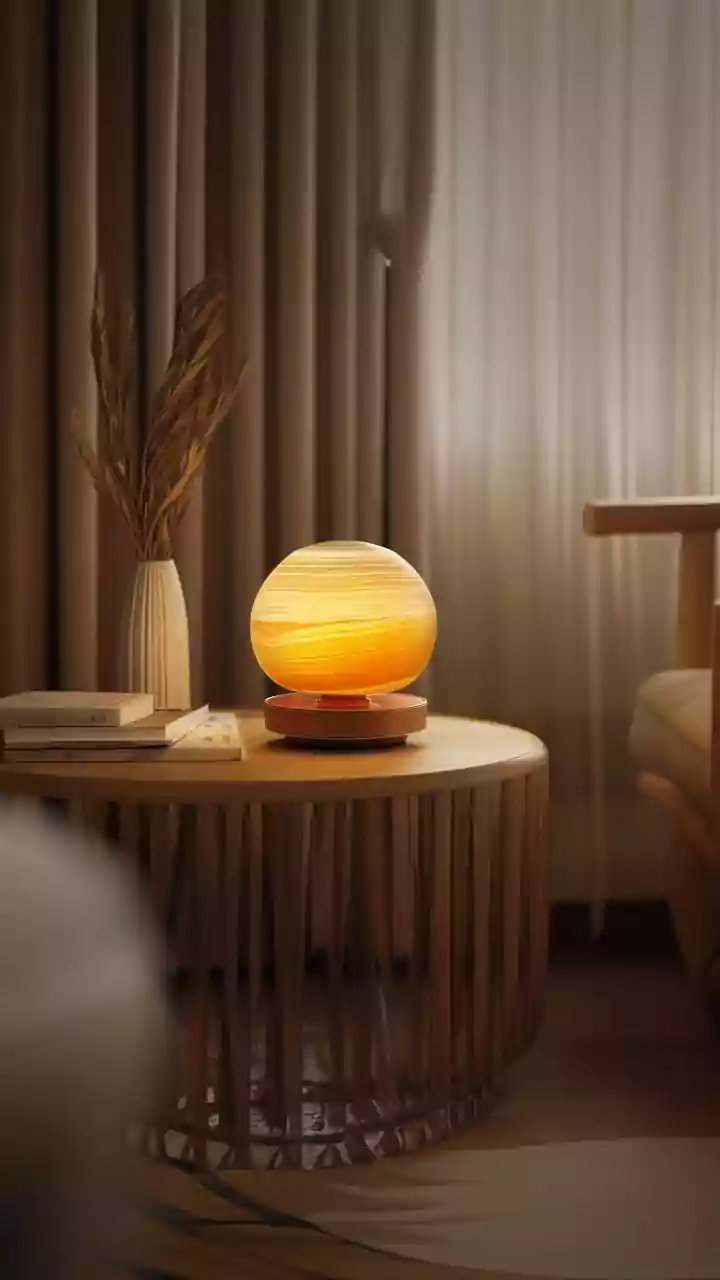
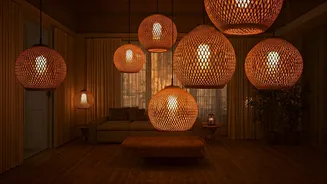
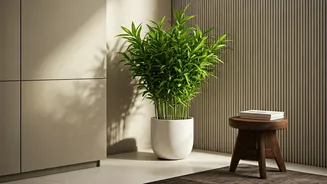
This is where the 'warmth' in the headline truly comes to life. While pure minimalism can feel sterile, Japandi is rich with tactile surfaces that beg to be touched. The style champions natural, sustainable materials. Unfinished or light-stained woods like oak, maple, and ash are common, often paired with darker, more dramatic woods like blackened cedar, a nod to the Japanese technique of *shou sugi ban*. Furniture might incorporate rattan, bamboo, or bentwood. Textiles are crucial for adding layers of comfort; imagine chunky wool throws, soft linen curtains that diffuse light beautifully, and simple cotton or jute rugs. The key is the interplay of these textures—the smooth coolness of a ceramic vase against the rough grain of a wooden table, or the soft pile of a rug on a polished concrete floor. It’s a multi-sensory experience.
Functional, Low-Slung, and Beautifully Made
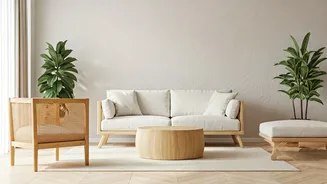
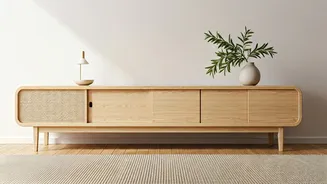
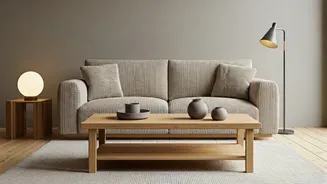
Japandi furniture perfectly illustrates the fusion of form and function. Pieces are chosen for their clean lines, simple silhouettes, and impeccable craftsmanship. Following Japanese tradition, furniture is often low-profile—low sofas, floor cushions, and short-legged coffee tables help create a feeling of openness and a connection to the ground. There is no room for superfluous ornamentation. Every chair, table, and light fixture serves a purpose and is beautiful in its simplicity. Quality over quantity is the mantra. It’s better to have one perfectly crafted wooden armchair than a set of mass-produced, disposable pieces. This focus on longevity and artistry makes the style both sustainable and timeless, moving away from trend-driven consumption toward creating a home filled with enduring objects.