



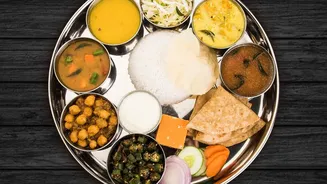
The Philosophy of Sawan Food
Sawan fasting cuisine is deeply rooted in Ayurvedic principles. It focuses on 'Sattvic' foods—those that are pure, natural, and calming to the body and mind. This means avoiding ingredients considered 'Tamasic' or 'Rajasic', such as onion, garlic, non-vegetarian
food, alcohol, and regular grains like wheat and rice. Instead, the diet embraces fruits, dairy products, specific flours, and rock salt ('sendha namak'). This shift is not just spiritual; it's also practical. During the monsoon, digestion is believed to be weaker, and a lighter diet helps maintain balance and prevent illness.
1. Sabudana Khichdi
Perhaps the most iconic vrat dish, Sabudana Khichdi is a beloved staple, especially in Maharashtra. Made from soaked tapioca pearls, this dish is light on the stomach yet provides a significant energy boost, which is ideal for fasting. The pearls are sautéed in ghee with cumin seeds, green chillies, boiled potatoes, and a generous crunch of roasted peanuts. Its simple preparation and comforting texture have made it a fasting favourite across the nation.
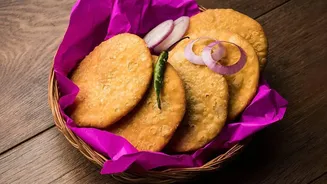
2. Kuttu ki Puri
When wheat flour is off the menu, buckwheat flour, or 'kuttu ka atta', comes to the rescue. Popular in Uttar Pradesh and other parts of North India, this flour is used to make deep-fried, fluffy puris. The dough is often prepared by mixing the flour with boiled and mashed potatoes, which gives the puris a wonderfully soft texture. They are typically served with a simple 'vrat wale aloo' (fasting-friendly potato curry) and a side of yoghurt, turning a restrictive meal into a hearty feast.
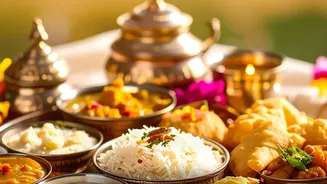
3. Samak ke Chawal
Also known as barnyard millet or 'mordhan', Samak ke Chawal serves as the perfect substitute for rice during Sawan fasts. This versatile ingredient can be prepared as a simple pulao, a comforting khichdi with potatoes and peanuts, or even ground into flour for dosas. It is incredibly light and easy to digest, aligning perfectly with the Sattvic dietary guidelines for the season. Its mild flavour allows it to absorb the tastes of accompanying spices like cumin and black pepper.
4. Makhana Kheer
No festive meal is complete without a dessert, and Makhana Kheer fits the bill perfectly. Made from phool makhana (fox nuts or lotus seeds), this creamy pudding is both nutritious and delicious. The fox nuts are lightly roasted in ghee before being simmered in milk until they soften. Sweetened with sugar or jaggery and flavoured with cardamom and saffron, it's a guilt-free indulgence. Makhana is rich in protein and calcium, making this kheer a wholesome way to conclude a fasting meal.
5. Singhare ka Halwa
Another popular sweet dish during fasting periods is Singhare ka Halwa. This rich, dense dessert is made from 'singhare ka atta', or water chestnut flour. The flour is roasted in a generous amount of ghee until it turns aromatic and golden-brown, then cooked with sugar and water or milk to form a thick, comforting halwa. It provides sustained energy, making it an excellent choice for days when a fast is observed from sunrise to sunset.
6. Vrat Wale Aloo
Potatoes are a cornerstone of fasting cuisine in India, and Vrat Wale Aloo is a testament to their versatility. This simple yet flavourful dish involves boiling and cubing potatoes, then lightly tempering them in ghee with cumin seeds (jeera), green chillies, and sometimes crushed peanuts. Seasoned with rock salt, it can be enjoyed on its own, as a side dish with Kuttu ki Puri, or mixed with yoghurt for a cooling 'dahi aloo' preparation. It's quick, satisfying, and universally loved.
7. Fresh Fruit Chaat
The simplest and perhaps healthiest fasting food is a bowl of fresh fruit chaat. During Sawan, many devotees rely on a fruit-only diet ('phalahar'). A mix of seasonal fruits like bananas, apples, papaya, and pomegranate provides essential vitamins and natural sugars for energy. A sprinkle of rock salt and black pepper powder can be added for a tangy twist. It's refreshing, requires no cooking, and perfectly embodies the principle of eating light, pure food.