





The Science of a Bitter Brew
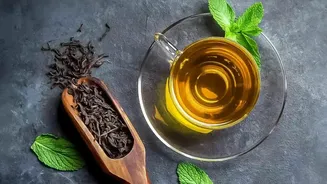
To understand the solution, we must first understand the problem: tannins. Tannins are naturally occurring polyphenol compounds found in tea leaves. When you introduce tea leaves to hot water, a rapid extraction process begins, pulling out flavour, aroma,
caffeine, and these tannins all at once. The hotter the water and the longer you steep, the more tannins are released. These compounds are responsible for the astringent, mouth-puckering bitterness that can easily overpower the delicate notes of a good tea. While tannins are antioxidants, over-extracting them is what turns a potentially beautiful brew into a disappointing one.
The Case for Orthodox Leaves
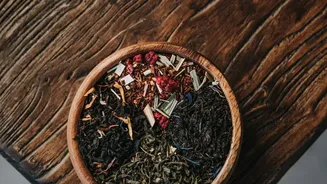
Not all tea is processed the same way. In India, two main methods prevail: CTC and Orthodox. CTC, or Crush-Tear-Curl, uses machines to turn tea leaves into small, uniform pellets that brew quickly into a strong, dark liquor. This method is ideal for the briskness required for a classic masala chai that stands up to milk and spices. Orthodox tea production, however, is a more traditional and gentle method. The leaves are carefully rolled to preserve their whole structure, which allows for a more complex and nuanced flavour profile to develop. While CTC is about strength and speed, orthodox processing is about preserving the delicate, aromatic character of the tea leaf itself, making it perfect for a brew where subtlety is appreciated.
Enter the Cold Brew Method
This is where the magic happens. Unlike hot brewing, cold-brewing uses time, not temperature, to extract flavour. By steeping tea leaves in cold or room-temperature water for several hours, you fundamentally change the chemistry of the brew. Cold water is a gentler solvent; it slowly coaxes out the aromatic oils and naturally sweet compounds from the tea leaves while leaving most of the larger, bitter tannin molecules behind. The result is a tea that is remarkably smooth, clean-tasting, and naturally sweet, often requiring no added sugar at all. It feels rounder and more mellow in the mouth because the astringency is significantly reduced.
Lemongrass: The Perfect Partner
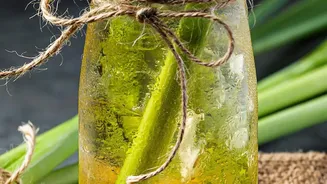
Adding lemongrass to the mix elevates the experience further. This fragrant grass, a staple in Southeast Asian and Indian kitchens, is prized for its bright, citrusy aroma and flavour, which comes from an essential oil called citral. When cold-brewed, the fresh, clean notes of lemongrass are preserved beautifully, without any of the grassy bitterness that can sometimes occur with hot infusions. Its zesty character perfectly complements the malty, nuanced flavours of orthodox tea, creating a beverage that is both calming and exceptionally refreshing. Furthermore, lemongrass itself is believed to offer benefits like aiding digestion and reducing anxiety.
Your Guide to a Perfect Afternoon Brew
Creating this sophisticated drink at home is surprisingly simple. You do not need any fancy equipment—a simple glass jar or pitcher will do.
Here’s a reliable starting point:
1. The Ratio: For every 1 litre of cold, filtered water, use about 2-3 tablespoons of premium orthodox loose-leaf tea and 2-3 stalks of fresh lemongrass.
2. Preparation: Lightly bruise the lemongrass stalks with the back of a knife to help release their oils, and cut them into 2-inch pieces.
3. Combine: Place the orthodox tea leaves and prepared lemongrass into your jar or pitcher. Pour the cold, filtered water over them.
4. Steep: Cover the container and place it in the refrigerator. Let it steep for at least 8 to 12 hours. The long, slow infusion is key.
5. Strain and Serve: After steeping, strain the tea to remove the leaves and lemongrass. Serve chilled, over ice. You’ll find it’s so naturally smooth and flavourful, you likely won’t even reach for the sugar.