
A New Cosmic Window
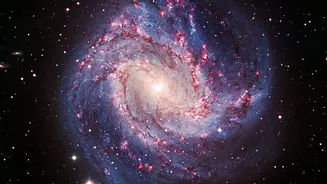
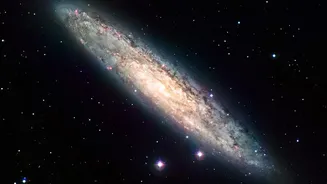
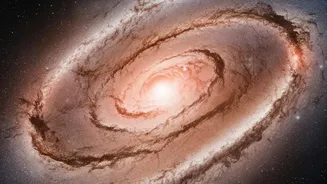
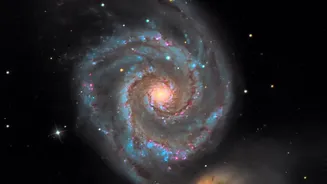
Thanks to instruments like the James Webb Space Telescope (JWST) and the Euclid space telescope, astronomers are getting their clearest views yet of the cosmos. These observatories are designed to see in infrared light, which allows them to peer through
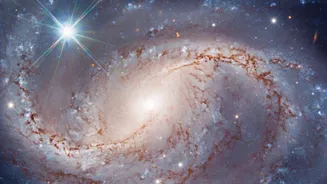
the dense clouds of gas and dust that have traditionally hidden many galactic secrets. It's like having a new pair of glasses that can see through fog, revealing the intricate structures within. Recent images of nearby spiral galaxies and distant galaxy clusters have provided a treasure trove of data, showing details that were impossible to capture before. This new capability is enabling what some are calling “galactic archaeology,” allowing scientists to piece together the history of galaxies by studying their present-day structure.
The Ghost in the Machine
One of the most surprising discoveries is a new class of objects that are barely there at all. In February 2026, astronomers announced the discovery of a 'ghost galaxy' that appears to be made of 99% dark matter. This faint, diffuse object, called CDG-2, was not found by its starlight but by using its few star clusters as cosmic breadcrumbs. These ultra-faint galaxies challenge theories of galaxy formation, suggesting that some cosmic structures are dominated by the invisible scaffolding of dark matter, with very few stars ever forming. This find was a collaborative effort, using data from the Hubble, Euclid, and Subaru telescopes to confirm the existence of the faint glow around the star clusters.
Cosmic Nurseries Behaving Unexpectedly
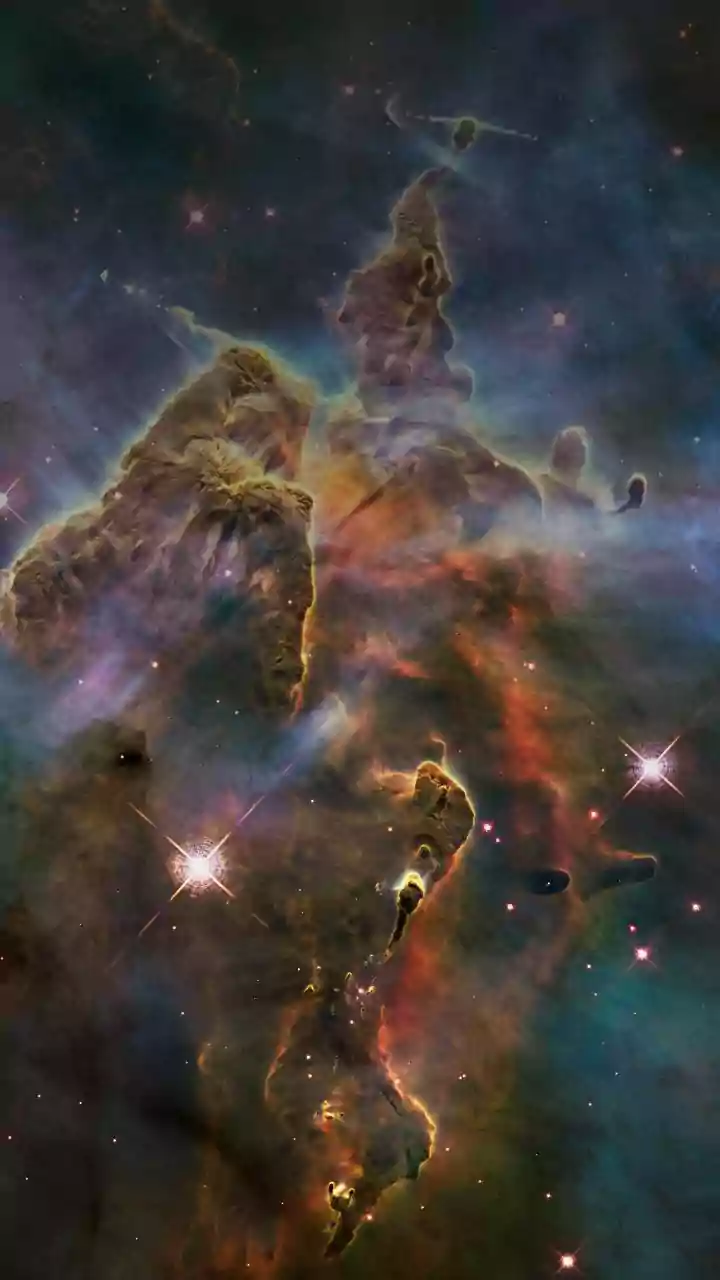
Galaxies are filled with stellar nurseries, vast clouds of gas and dust where new stars are born. For years, scientists have worked to understand how these nurseries evolve. Recent combined observations from the Hubble and Webb telescopes have revealed a key pattern: the most massive star clusters emerge from their dusty cocoons much faster than smaller ones. It seems that bigger clusters, with their more powerful stars, are able to clear away the surrounding gas and dust in about five million years, while less massive clusters take longer. This process, known as stellar feedback, has a huge impact on how a galaxy evolves, as the powerful radiation from these newly exposed stars can trigger or halt star formation in other regions.
An Overcrowded Early Universe
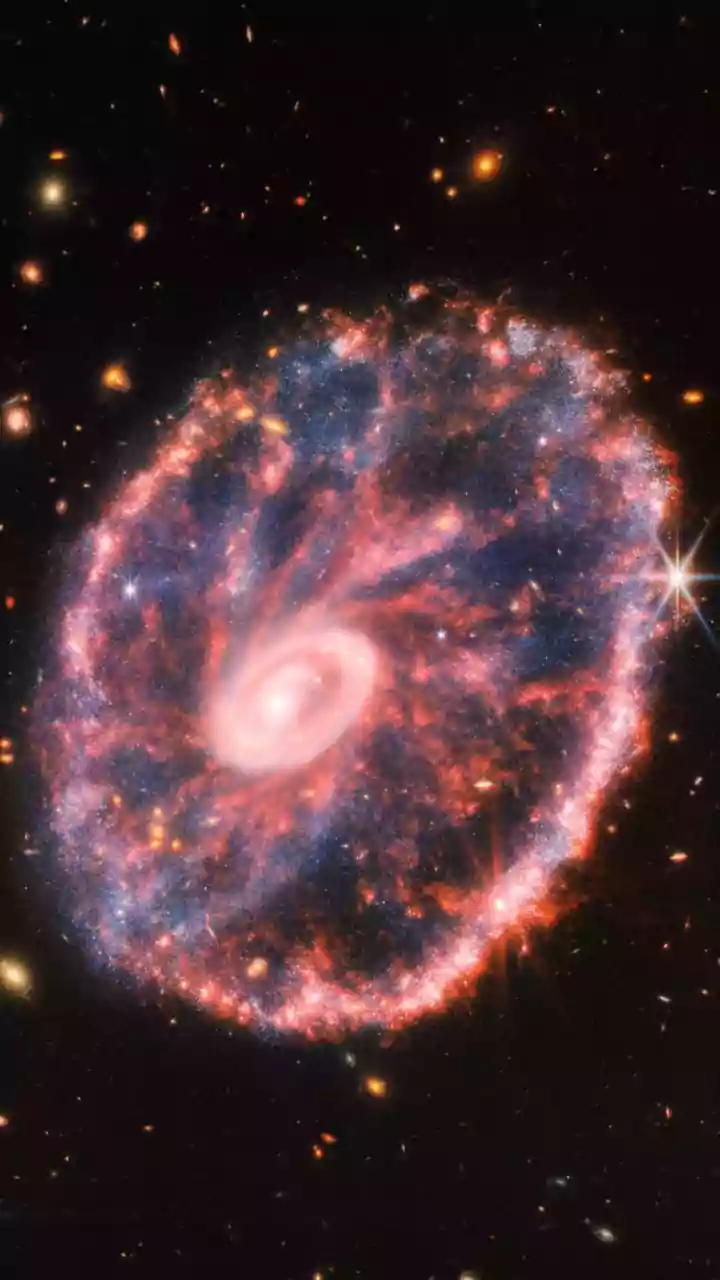
A common assumption was that the early universe was a relatively quiet place, with small galaxies slowly growing over billions of years. New JWST observations are turning that idea on its head. In one deep look into the past, Webb found a dense region where at least six massive galaxies appear to be packed together, potentially in the process of merging. This cosmic construction site, observed as it was just a few billion years after the Big Bang, suggests that large, complex structures were forming much earlier and faster than previously thought. This protocluster, as it’s called, indicates that the universe was already capable of building massive systems in its infancy, combining rapid galaxy assembly with the growth of a supermassive black hole at its center.
Scars of Ancient Collisions
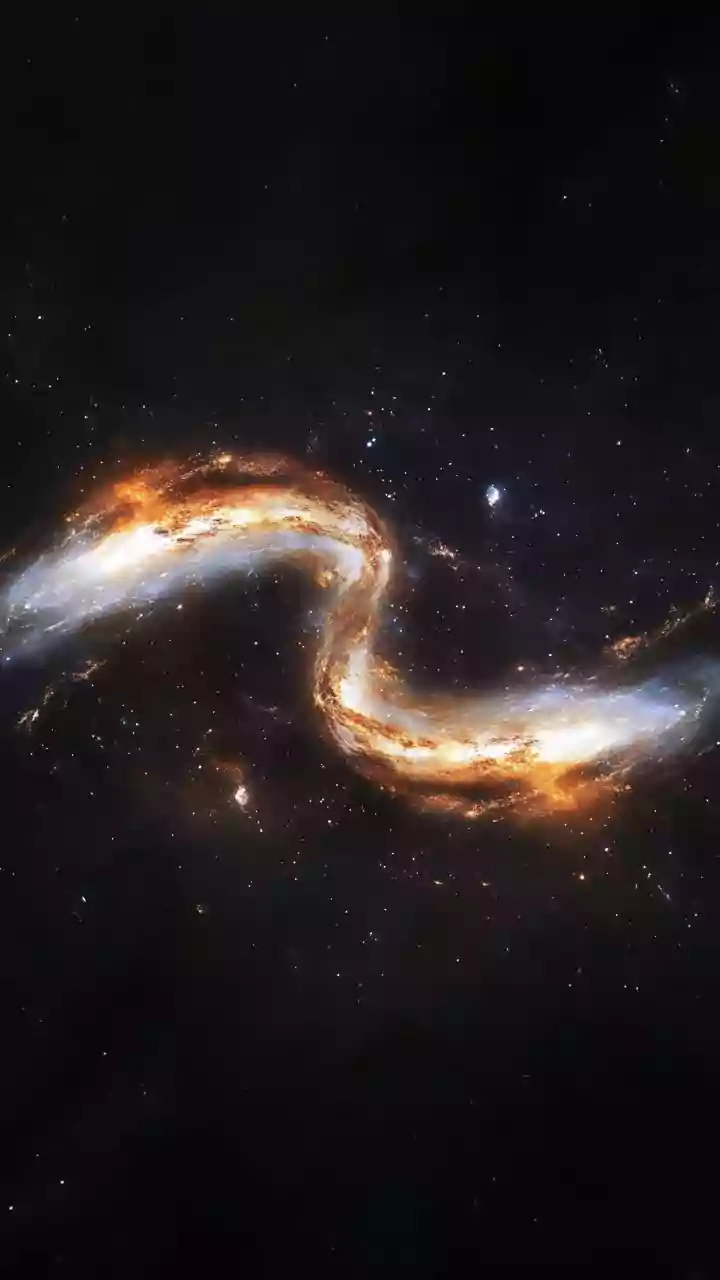
Many galaxies we see today bear the marks of a violent past. In stunning new anniversary images of Centaurus A, a relatively close galaxy just 11 million light-years away, JWST has cut through the dust to reveal intricate details of a past collision. The images show the aftermath of a merger with another galaxy that occurred roughly two billion years ago. While Hubble could see the outer parts, Webb's infrared vision has unveiled the chaotic, star-forming heart of the galaxy, star by individual star. These details allow astronomers to trace how the energy from the galaxy's central supermassive black hole influences the surrounding gas and triggers new waves of star birth, providing a vivid record of cosmic history.