

Comfort That Keeps Up with the Beat
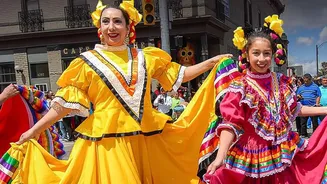
One of the most compelling reasons for the rise of Indo-Western wear is pure practicality. The heart of Navratri celebrations is the energetic and hours-long garba and dandiya dances. Traditional ghagra cholis, while stunning, can be heavy and restrictive
due to their elaborate mirror work and multiple layers. In contrast, fusion wear prioritizes comfort and freedom of movement. Lightweight fabrics like cotton, georgette, and chiffon are fashioned into breathable silhouettes that don't weigh you down. Think flowing palazzo pants paired with an embroidered crop top, a pre-draped saree gown, or a long, elegant kurta with a flared skirt. These outfits allow for unrestricted twirls and steps, ensuring that the focus remains on the joy of the dance, not on managing a cumbersome ensemble.
A Canvas for Personal Expression
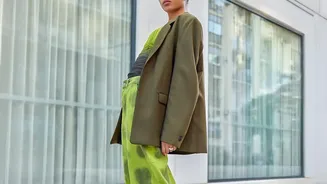
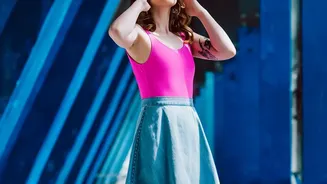
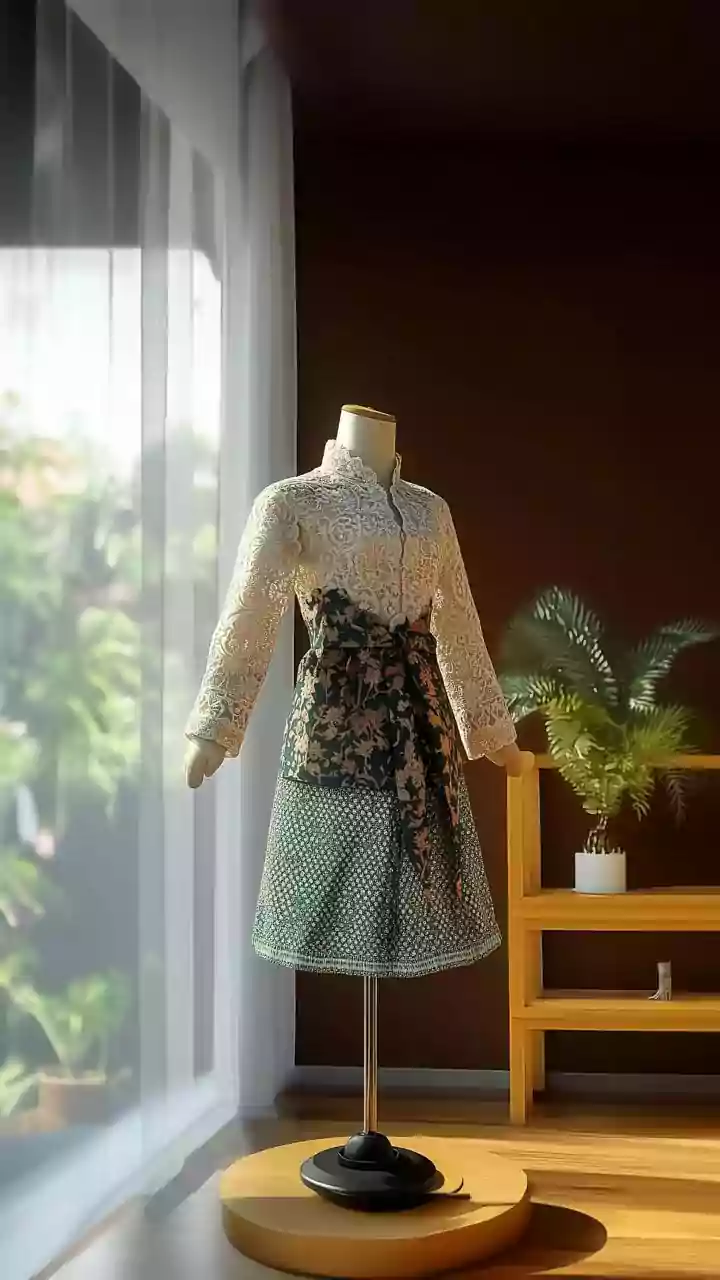
Today's generation values individuality, and fashion is a primary tool for self-expression. Indo-Western outfits offer a versatile canvas that traditional attire sometimes cannot. Instead of investing in a complete, coordinated set, revellers can mix and match pieces to create a look that is uniquely their own. A traditional bandhani skirt can be paired with a modern blouse, a simple kurta can be elevated with a pair of dhoti pants, or a classic lehenga can be given an edge with a structured jacket or cape. This approach allows people to integrate pieces they already own, reflecting a more sustainable and personalized approach to festive dressing. It’s less about adhering to a strict dress code and more about celebrating tradition in a way that feels authentic to one's personal style.
The Bollywood and Social Media Effect
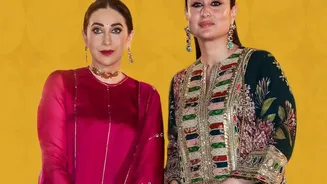
It's impossible to discuss fashion trends in India without acknowledging the immense influence of Bollywood and social media. Celebrities and fashion influencers are frequently seen sporting contemporary fusion ensembles during festival seasons, instantly setting trends followed by millions. Actresses like Alia Bhatt and Janhvi Kapoor have been spotted in modern takes on Navratri wear, from lehengas paired with contemporary blouses to chic sharara sets. These looks are quickly dissected and replicated, inspiring fans to experiment. Instagram and Pinterest are flooded with images of these stylish, photogenic outfits that stand out in a crowd. The 'fusion' aesthetic is not just a style; it's a statement that is both culturally rooted and globally relevant, making it perfect for a generation that documents its life online.
Redefining Tradition for a Modern World
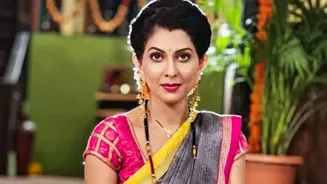
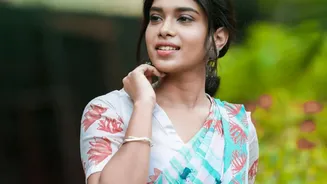
The shift towards Indo-Western wear is not a rejection of tradition but rather a reinterpretation of it. For many young Indians, this blend represents their own identity—a mix of deep cultural roots and a modern, global outlook. Fusion wear allows them to participate in cultural festivities with full enthusiasm, in a way that feels genuine to their lived experiences. Outfits like sharara sets, cape gowns, and kurta-pajama combinations with a Western cut still incorporate traditional elements like mirror work, bandhani prints, and vibrant festive colors. They honor the spirit and aesthetic of Navratri while adapting it to contemporary lifestyles and tastes, ensuring that traditions evolve and stay relevant for generations to come.
Versatility Beyond the Nine Nights
Another significant advantage of Indo-Western wear is its versatility. A heavy, traditional chaniya choli might only see the light of day during Navratri. In contrast, the components of an Indo-Western outfit can be easily repurposed for other occasions. An embroidered crop top can be paired with jeans for a casual outing, palazzo pants can be worn with a simple shirt for a brunch, and a stylish cape can be layered over a different dress for a wedding. This reusability appeals to the increasingly eco-conscious and budget-minded consumer. Investing in pieces that offer more wearability is a smart choice, making fusion outfits a practical and sustainable addition to any festive wardrobe.