




More Than Just a Pattern
Before we dive into the specific designs making a comeback, it's important to understand what “textile logic” even means. It’s the idea that patterns and fabrics are not just decorative, but are born from purpose. This logic can be functional, like a weave
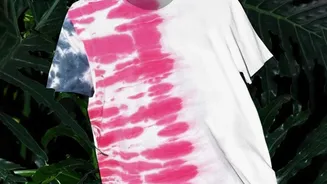
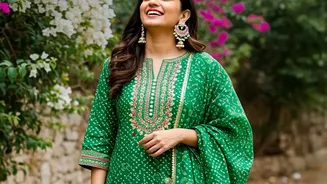
designed for durability, or symbolic, with motifs meant to tell a story, signify status, or even offer protection. The word “bandana” itself comes from the Hindi “bandhna,” meaning “to tie,” referencing the tie-dye techniques used in its earliest forms in India. This simple square of cloth, therefore, has always been a canvas for both practicality and artistry, a legacy that modern designers are now tapping into with renewed interest.
The Global Journey of Paisley
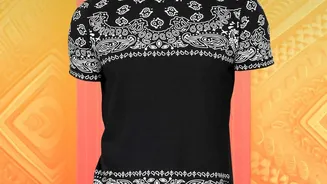
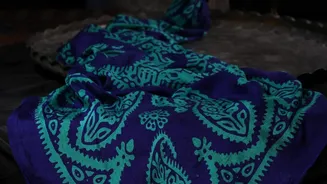
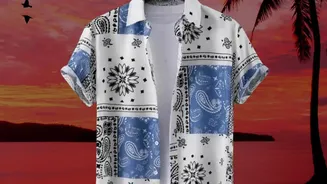
At the heart of the bandana's iconography is the paisley pattern. Known in India as 'kairi' or 'ambi' after the mango, its origins trace back even further to Persia, where the 'boteh' motif symbolized a cypress tree, representing life and eternity. Introduced to India during the Mughal period, it was lavishly embroidered onto fine Kashmiri shawls for royalty. When the British East India Company began importing these shawls in the 18th century, their popularity exploded across Europe. To meet demand, a Scottish town named Paisley began mass-producing imitations, eventually lending its name to the pattern and obscuring its Eastern roots for many. Today's revival sees this journey come full circle, as the pattern's deep cultural symbolism is once again brought to the forefront.
From Function to Fashion
While paisley speaks to a logic of decoration and symbolism, another thread in the bandana’s story is pure utility. In 19th-century America, bandanas became essential gear for cowboys, miners, and railroad workers. Used as dust masks, sweatbands, and neck protectors, their designs were simple and their cotton fabric was durable. This utilitarian logic also played a role in social movements, with red bandanas worn by striking mine workers in the 1920s to signal solidarity. During World War II, the image of 'Rosie the Riveter' with her hair tied back in a polka-dot bandana cemented its status as a symbol of female strength and capability. This history of hard work and rebellion adds a layer of rugged authenticity to the modern bandana.
A Modern Reinterpretation
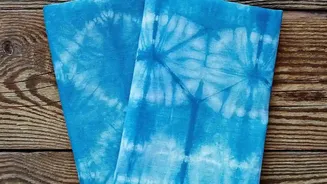
The 2026 bandana revival is not just a carbon copy of the past. Instead, it’s a creative dialogue between these different textile logics. Designers are blending the ornate, symbolic history of paisley with the raw, functional appeal of workwear. You might see a hyper-realistic, digitally printed floral motif—a nod to modern technology—contained within the traditional paisley shape. Others are exploring different resist-dyeing techniques, like Japanese shibori, which uses binding and clamping to create mesmerizing patterns, introducing a new cultural conversation to the classic bandana format. This fusion challenges us to appreciate the bandana not just as an accessory, but as a piece of wearable history, thoughtfully reimagined for a new generation.