

From Home Kitchens to Fine Dining
For generations, the sounds and smells of an Indian festival were centred around the family kitchen. Grandmothers guarded secret recipes, and days were spent preparing elaborate meals for Diwali, Eid, Onam, or Navratri. Today, while the spirit of these
celebrations remains, the venue is changing. Urban diners, often pressed for time and living in nuclear families, are increasingly choosing to eat out. Restaurants have seized this opportunity, transforming their spaces into festive destinations. Instead of just another meal, they offer an experience—complete with traditional decorations, music, and a palpable sense of celebration that mirrors the joy of the occasion. It’s a move that turns a simple dinner into a memorable event, capturing the high-spending, celebratory mood of the populace.
The Curated Culinary Experience
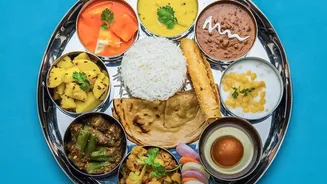
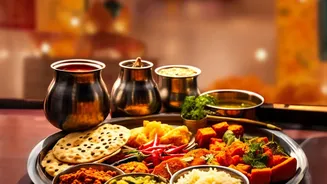
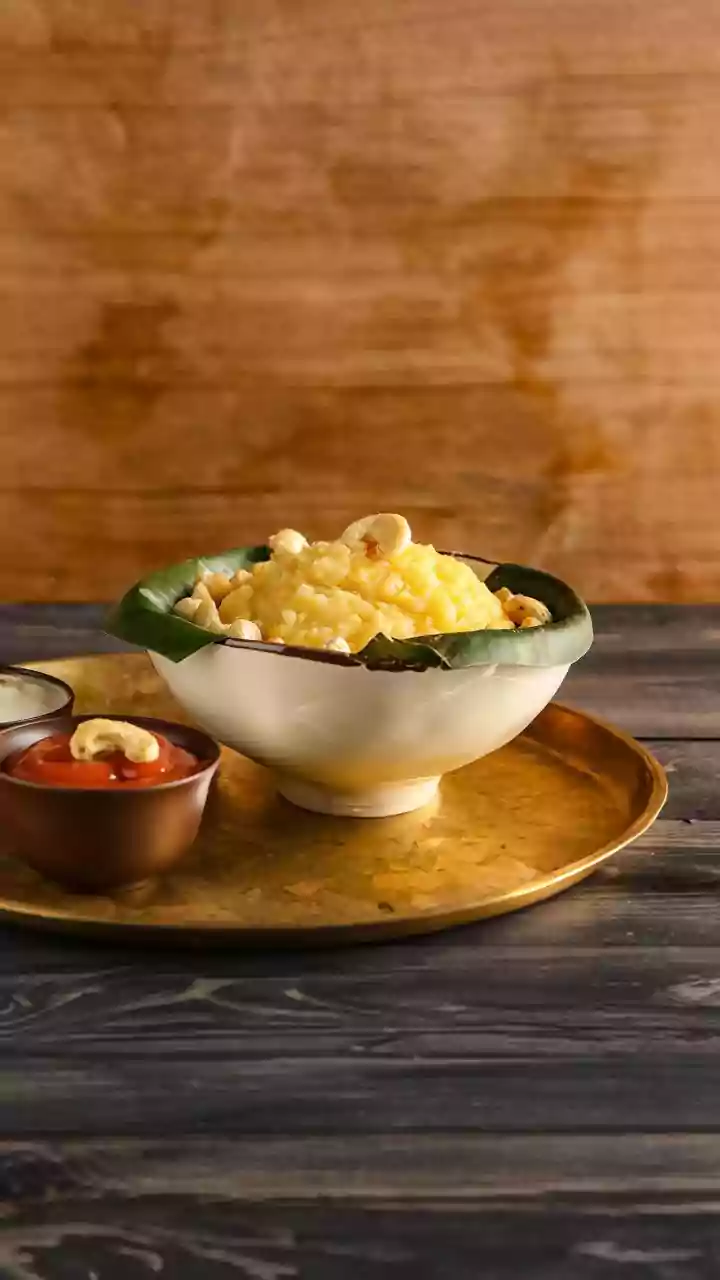
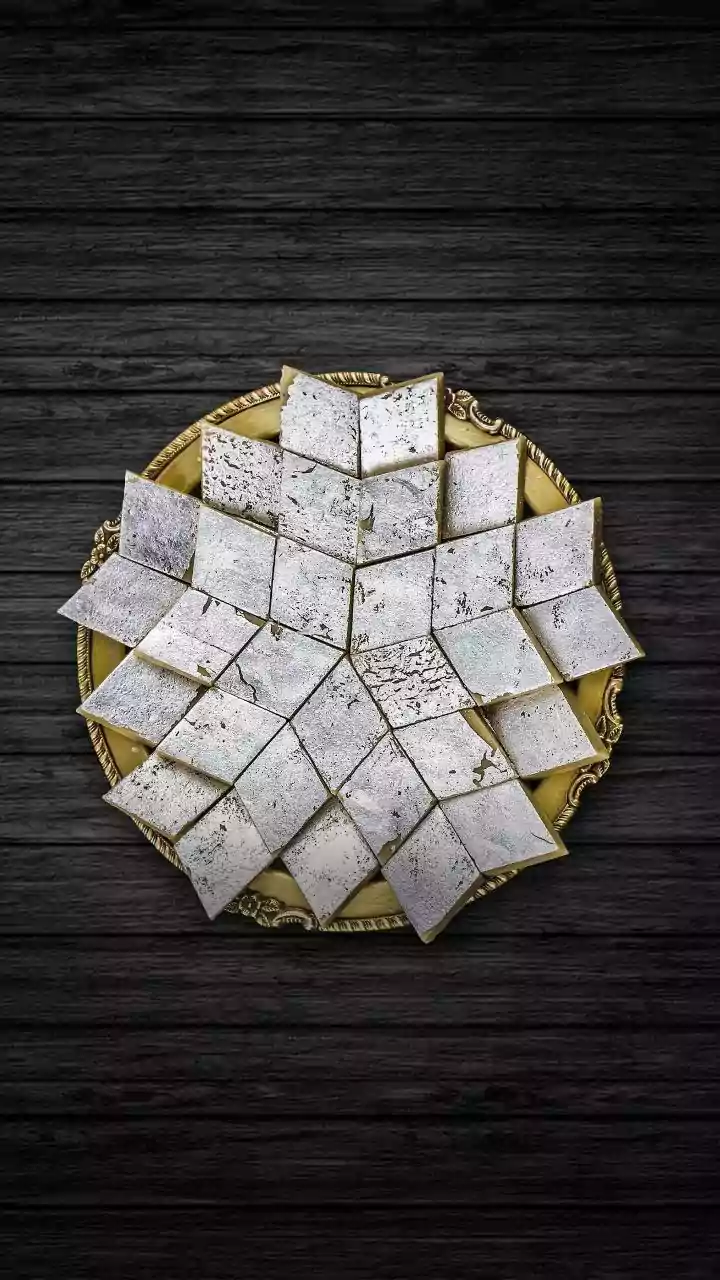
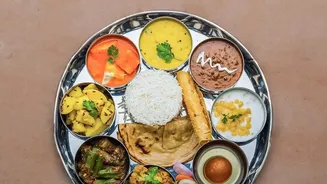
The key to this trend's success isn't just offering a discount; it's about culinary storytelling. Chefs are diving deep into tradition to create exclusive, limited-time menus that resonate with the spirit of each festival. For Navratri, this means elaborate 'sattvik' thalis made without onion or garlic, featuring ingredients like buckwheat flour (kuttu), water chestnut (singhara), and rock salt. Come Onam, restaurants across the country lay out the elaborate 'Sadhya', a multi-course vegetarian feast served on a banana leaf with over 20 distinct dishes. For Diwali, menus glitter with rich curries, decadent desserts, and innovative takes on classic sweets, while Ramadan sees special Iftar and Suhoor platters. This approach creates a sense of urgency and exclusivity, encouraging diners to visit before the special menu disappears.
The Modern Twist on Tradition
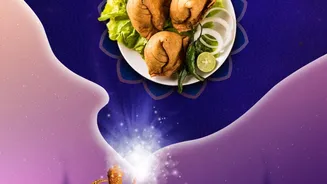
While authenticity is a major draw, many chefs are also using festivals as a chance to innovate. They are reinterpreting classic festive dishes with contemporary techniques and premium ingredients. This might mean a deconstructed samosa, quinoa-based kheer for the health-conscious, or cocktails infused with traditional flavours like mango lassi or gulab jamun. Some restaurants are even creating fusion menus, like an Oriental-themed Navratri bento box or Indo-Chinese specials for Diwali. This blend of old and new appeals to a younger, more experimental diner who appreciates tradition but also seeks novelty. The visual appeal of these modern dishes also makes them highly shareable on social media, turning diners into brand ambassadors and generating organic marketing.
A Win-Win for Diners and Businesses
This trend is a classic win-win. For restaurants, festival-specific campaigns can increase footfall by 25-40% and provide a significant revenue boost during peak celebratory periods. It allows them to manage their supply chains more effectively by focusing on seasonal and local produce. For diners, it offers a hassle-free way to enjoy authentic, high-quality festive food without the long hours of shopping and cooking. It provides a chance to connect with cultural traditions, especially for those living away from home. Whether it's a family looking for a grand Onam Sadhya or friends gathering for a Diwali brunch, restaurants are now an integral part of the festive landscape, offering both convenience and a taste of cherished traditions.