
The Power of a Superfood
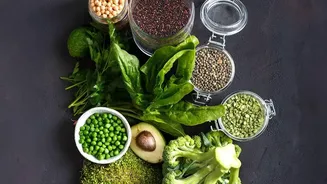
Broccoli has earned its reputation as a nutritional powerhouse, and for good reason. It is packed with essential vitamins like C and K, minerals such as potassium and calcium, and a healthy dose of dietary fibre. This cruciferous vegetable is a staple
for anyone looking to boost their immune system, support bone health, and promote a healthy heart. But beyond these well-known benefits, broccoli contains special plant compounds that are the subject of much scientific interest. These compounds are delicate, and preserving them from the garden to your dinner plate depends heavily on how you prepare your meal. The difference between a nutrient-packed side dish and a plate of diminished greens often comes down to your cooking method.
Meet the Polyphenols
So, what are these powerful compounds the headline mentions? They’re called polyphenols, a type of phytonutrient found in plants. Think of them as a plant's natural defence system, protecting it from disease and stress. When we eat plants rich in polyphenols, we reap some of those protective benefits. Polyphenols act as antioxidants, which help combat cellular damage in our bodies caused by unstable molecules called free radicals. This protective action is linked to a lower risk of several chronic illnesses. Broccoli is a fantastic source of specific polyphenols, such as flavonoids, as well as another class of potent compounds called glucosinolates, which have been studied for their anti-inflammatory and cancer-fighting potential. Getting the most out of these compounds is key to unlocking broccoli's full potential.
The Cooking Method Showdown
Here's where it gets interesting. While many people love the taste and speed of a quick stir-fry, this high-heat method can be harsh on broccoli's delicate nutrient profile. Scientific studies consistently show that high-heat cooking methods that involve a lot of water or oil, like boiling and stir-frying, cause significant losses of key nutrients. Research from the Journal of Zhejiang University found that stir-frying caused great losses of Vitamin C, chlorophyll, and soluble proteins. When it comes to polyphenols and other beneficial compounds like glucosinolates, the story is similar. Some studies show that stir-frying can destroy a significant percentage of these compounds. In contrast, steaming emerges as the clear winner for nutrient preservation.
Why Steaming Is Superior
Steaming uses gentle, moist heat without submerging the broccoli in water. This simple difference is crucial. Nutrients like Vitamin C and many polyphenols are water-soluble, meaning they can easily leach out into cooking water that gets thrown away. Since steaming cooks the food without direct contact with a large volume of water, more of these valuable compounds stay right where you want them: in the vegetable itself. One study showed that steaming caused no significant loss of Vitamin C, while boiling and stir-frying led to losses of over 30%. For other compounds, the results are just as stark. Steaming has been found to be the best method for retaining glucosinolates, losing far less than boiling or stir-frying. The headline’s claim about doubling polyphenols points to this superior retention—steaming simply preserves significantly more of the good stuff.
How to Steam Broccoli Perfectly
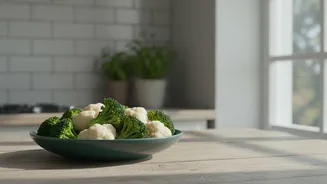
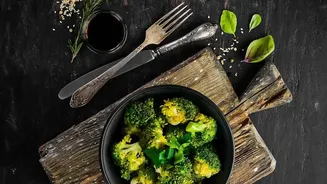
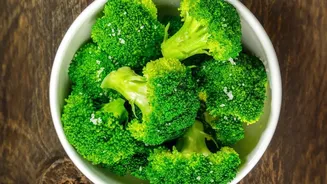
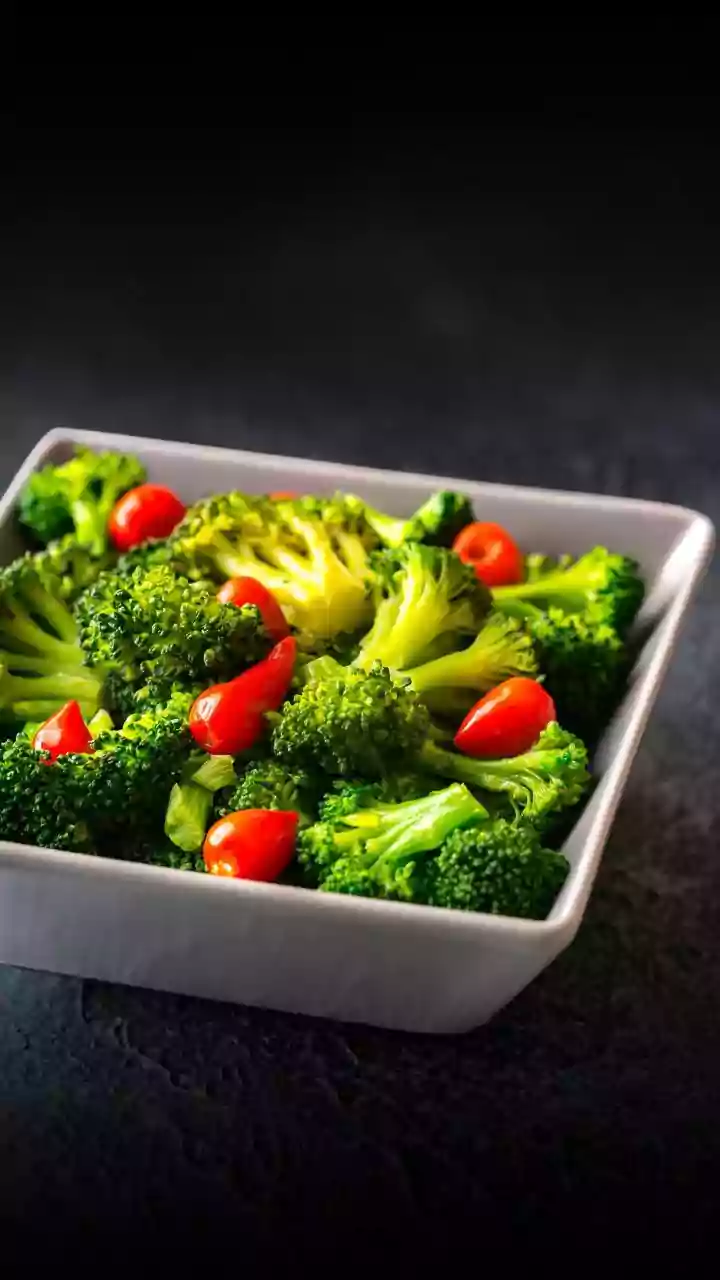
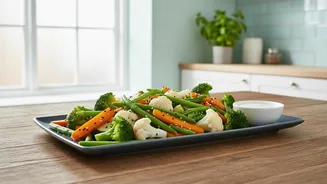
Ready to make the switch? Perfecting steamed broccoli is easy and requires no fancy equipment. All you need is a pot with a lid and a steamer basket or a metal colander. First, wash and cut your broccoli into uniform florets. Fill your pot with about an inch of water and bring it to a simmer. Place the steamer basket inside, ensuring the water doesn't touch the bottom of it. Add your broccoli florets, cover the pot, and let them steam for about 4 to 6 minutes. The goal is a vibrant green colour and a 'tender-crisp' texture—firm, but easily pierced with a fork. Avoid overcooking, which makes it mushy and diminishes its nutrients. Once done, you can toss it with a little olive oil, lemon juice, garlic, or your favourite seasonings for a delicious and incredibly healthy side dish.