
The Foundation: Understanding Vrat Nutrition
Fasting during Sawan isn't about deprivation, but about discipline and purity. The diet, known as 'sattvik', is designed to be light on the digestive system. Traditional rules typically exclude grains like wheat and rice, lentils, onions, garlic, and regular
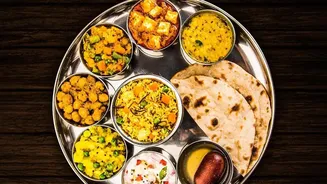
table salt. Instead, the focus shifts to fruits, dairy products, and specific 'vrat' ingredients like sabudana (tapioca pearls), kuttu ka atta (buckwheat flour), and samak rice (barnyard millet). The challenge lies in combining these ingredients to create meals that are not only compliant but also nutritionally balanced, preventing the energy slumps that can come from a diet heavy in fried foods or simple carbohydrates.
Reimagining Sabudana for Sustained Energy
Sabudana is a fasting staple, beloved in khichdi and vadas. It's an excellent source of carbohydrates, providing a quick energy boost. However, it's mostly starch with very little protein or fibre. To make it more nutritious, the key is what you pair it with. Instead of just potatoes, enrich your sabudana khichdi with a generous helping of roasted peanuts for protein and healthy fats. Adding vegetables permitted during the fast, like grated bottle gourd, can increase fibre content. For a balanced meal, serve a smaller portion of sabudana khichdi alongside a bowl of plain curd to add protein and probiotics, which aids digestion. This turns a carb-heavy dish into a more complete and satisfying meal.
Kuttu Ka Atta: The Power Flour
Kuttu ka atta, or buckwheat flour, is a nutritional powerhouse. Unlike its name suggests, it is not a type of wheat but a gluten-free seed. It is rich in high-quality protein and dietary fibre, which helps in maintaining digestive health and keeping you feeling full for longer. Buckwheat flour is also packed with minerals like magnesium, which is crucial for muscle function and energy production. Instead of only making deep-fried kuttu ki puris, try using this versatile flour to make a soft roti or a cheela (a savoury pancake). A kuttu cheela can be made by mixing the flour with grated vegetables like bottle gourd, seasoned with sendha namak (rock salt) and black pepper, and cooked on a pan with minimal ghee. This reduces the oil content while retaining all the nutritional benefits.
Samak Rice: The Wholesome Grain-Free Alternative
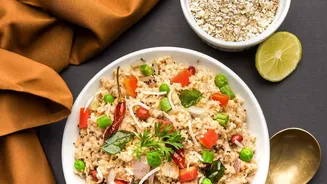
Samak rice, also known as barnyard millet, is the perfect substitute for regular rice during Sawan fasts. It is a low-calorie grain that is high in fibre, making it excellent for digestive health and preventing constipation. Its complex carbohydrates provide a slow and sustained release of energy, unlike the sharp spikes you might get from other starchy foods. Samak rice also contains more protein than many other millets. Prepare a simple pulao by cooking the millet with diced potatoes, peanuts, and vrat-friendly spices like cumin and green chillies. This creates a light yet filling meal that provides a good balance of carbohydrates, protein, and essential micronutrients like iron and zinc.
Makhana and Dairy: The Snack & Protein Pillars
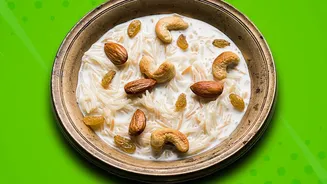
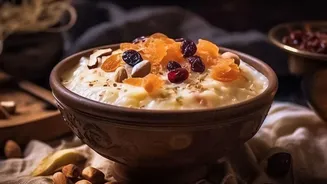
Snacking between meals is often where vrat diets can become unhealthy. Instead of reaching for packaged snacks, turn to makhana (fox nuts). These puffed seeds are low in calories and fat but rich in protein, calcium, and fibre. A simple bowl of makhana roasted in a teaspoon of ghee with a sprinkle of sendha namak is a crunchy, satisfying, and guilt-free snack. For dessert or a more substantial snack, a makhana kheer made with milk and sweetened with dates or a little jaggery provides calcium, protein, and sustained energy. Dairy products like paneer, curd, and milk are also vital. A simple paneer bhurji, made with tomatoes and green chillies (without onion or garlic), can be a great protein-rich side dish to accompany your kuttu ki roti.