








The Rise of No-Code AI Builders
The term 'ChatGPT Sites' points to a powerful new trend: custom, AI-powered applications that can be built without writing code. These tools, which include custom GPTs and a host of other no-code platforms, act as intelligent assistants. You can describe
what you want in plain English—be it a sales dashboard, a client portal, or a mobile app prototype—and the AI generates a functional starting point. Unlike the general ChatGPT, these custom versions are specialists, configured with specific instructions and data to perform a dedicated task consistently. This shift is democratizing development, putting powerful tools into the hands of those who previously could only dream of coding.
Dashboards That Build Themselves
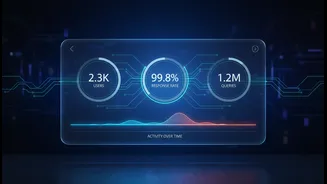
Traditionally, creating a useful data dashboard required expensive business intelligence (BI) tools and a data scientist's expertise. Now, anyone can upload a spreadsheet or connect a database and simply ask the AI to visualize the data. You can ask questions like, “Show me monthly sales trends by region” and receive an interactive chart in seconds. These AI tools can suggest which data is worth visualizing, identify the best chart types, and even enrich your dataset by adding new information, such as sentiment analysis for customer feedback. While some tools generate static images, many platforms now create fully interactive dashboards, allowing you to filter and explore data conversationally. This transforms data analysis from a technical chore into an intuitive dialogue.
Intelligent Portals on Demand
Internal tools, such as employee directories, project management trackers, or client-facing portals, are vital for smooth operations but are often costly and time-consuming to build. This has led many teams to rely on a messy patchwork of spreadsheets and third-party apps. AI-powered app builders are streamlining this process. A small business owner can now build a custom portal for their field technicians, giving them instant access to data and tools on-site. These platforms allow you to create secure, custom-fit applications that automate workflows, centralize information, and improve team productivity without the security risks of 'shadow IT' solutions. You can tailor the experience exactly to your needs, removing the clutter of off-the-shelf software.
Prototyping at the Speed of Thought
For creators and startups, the journey from an idea to a tangible prototype is critical for validating concepts and securing funding. This phase used to require significant time and resources, often involving developers to build even a basic model. AI is dramatically accelerating this process. Tools can now take a simple text prompt, a hand-drawn sketch, or a screenshot and generate an interactive user interface. This allows a non-technical founder to create a clickable mockup of their app idea in minutes, test different user flows, and gather feedback almost immediately. Some platforms even generate production-ready code components, bridging the gap between design and development and reducing costly rework down the line.
A Tool, Not a Replacement
While the potential is enormous, it's crucial to see these AI tools as powerful assistants rather than complete replacements for human expertise. The initial outputs from AI builders often lack the polish and unique branding of a professionally designed product and may require manual refinement. For complex applications, the generated code might need to be cleaned up by a developer. Furthermore, issues of data security, accuracy, and governance remain paramount; an AI is only as good as the data it's trained on, and a confusing user interface will hinder adoption, no matter how sophisticated the model. The most successful outcomes will come from combining the speed of AI generation with the critical thinking and oversight of designers, developers, and domain experts.