








Master Your Bedroom Environment
The first step to combating humidity is managing the air in your room. The ideal indoor humidity for sleep is between 40% and 60%. Anything higher prevents sweat from evaporating efficiently, which is your body's natural cooling mechanism. If you have
an air conditioner, use its dehumidify or 'dry' mode. You can also create cross-ventilation by opening windows on opposite sides of the room to let the breeze flow through, but only do this if the outside air is cooler and less humid, typically late at night. During the day, keep windows and blinds shut to block solar heat from warming up the room. A simple ceiling fan can also make a huge difference, not by cooling the air, but by circulating it, which helps sweat evaporate from your skin.
Choose Breathable Bedding
The sheets you sleep on play a critical role in how well you handle humidity. Synthetic fabrics like polyester or high-thread-count sateen sheets are a poor choice for Indian summers as they trap heat and moisture, feeling sticky against the skin. The best materials are natural, breathable fabrics that manage moisture well. Cotton is the all-around winner for its breathability and absorbency, making it a reliable choice for most Indian climates. For the ultimate cooling experience, especially in dry heat, opt for a percale weave cotton with a thread count between 200 and 300; it's crisp and lets air pass through easily. In highly humid monsoon weather or coastal areas, linen and bamboo are excellent alternatives as they wick moisture away from the body and dry quickly.
Invest in a Dehumidifier
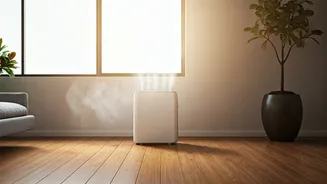
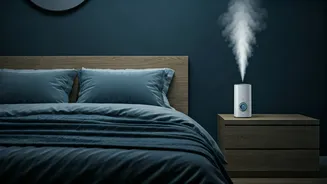
If humidity is a persistent problem, a dehumidifier is one of the most effective investments you can make for better sleep. These appliances work by drawing excess moisture out of the air, making the environment instantly more comfortable and preventing that clammy feeling. By maintaining an optimal humidity level, a dehumidifier can help you fall asleep faster, reduce night sweats, and even lessen snoring by keeping airways clear. Lower humidity also discourages the growth of allergens like mould and dust mites, which thrive in damp conditions and can disrupt sleep, especially for those with allergies or asthma. Many modern units are energy-efficient and feature a quiet or 'sleep' mode to ensure they don't disturb you.
Adjust Your Pre-Sleep Routine
Simple changes to your evening habits can significantly impact your comfort on a humid night. Taking a lukewarm or slightly warm shower before bed can help. It might seem counterintuitive, but a warm shower increases blood flow to the skin and, as you step out, your body's temperature will drop, signaling to your brain that it's time for sleep. Avoid heavy meals and intense exercise close to bedtime, as both can raise your body temperature. Also, staying hydrated is crucial, but it's best to sip cool or room-temperature water rather than ice-cold water, which your body has to work harder to absorb.
Simple, No-Cost Cooling Hacks
You don't always need to spend money to find relief. One popular DIY trick involves creating a makeshift air conditioner by placing a bowl of ice or frozen water bottles in front of a fan. The fan will blow the cooler air from the melting ice toward you, providing a refreshing breeze. You can also try cooling your sheets by placing your pillowcase or top sheet in a plastic bag and putting it in the freezer for about an hour before bedtime. The cool fabric provides immediate relief that can help you drift off to sleep more easily. Finally, choose loose-fitting sleepwear made from light, breathable fabrics like cotton to allow for maximum airflow around your body.