

More Than a Macho Dare
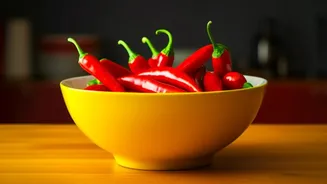
For years, the Bhut Jolokia, or ghost pepper, was a ghost haunting the internet—the subject of viral challenges where grown adults were reduced to tears. Registering over 1 million Scoville Heat Units (SHU), it is up to 400 times hotter than a standard
jalapeño. Its reputation was built on pure, unadulterated heat. When it first appeared on menus outside of its native Northeast India, it was often as a gimmick: the 'world's hottest curry' or a dare-devil pizza topping. But today, its inclusion in sophisticated fusion dishes signals a major shift. Chefs are moving beyond the shock factor, treating the Bhut Jolokia not as a weapon, but as a complex and valuable ingredient. This evolution mirrors a broader trend in urban Indian dining, where authenticity and bold flavours are increasingly celebrated over milder, more generic offerings.
The Flavour Beyond the Fire
Ask a chef why they're using Bhut Jolokia, and they’ll likely talk about its flavour, not just its heat. Unlike some chillies that offer a sharp, immediate sting, the ghost pepper’s heat builds slowly, allowing its unique taste profile to come through first. Connoisseurs describe it as having a distinctively sweet and fruity taste, with smoky and earthy undertones. This complexity is what makes it so exciting for fusion cooking. A minuscule amount can be infused into an oil, a dip, or a marinade, lending a beautiful aroma and a lingering warmth that doesn't simply obliterate other flavours. Imagine a hint of smoky heat in a chocolate dessert, a fruity fire in a craft cocktail, or a subtle warmth in a creamy pasta sauce. This is how modern chefs are using it—as a layer of flavour, not just a blast of spice.
A Taste of Regional Pride
The rise of the Bhut Jolokia is also a story of cultural celebration. For generations, this chilli has been a cornerstone of life and cuisine in states like Nagaland, Assam, and Manipur. Known locally as Raja Mircha (King Chilli) or Naga King Chilli, it’s woven into daily meals, from pickles and chutneys to meat and vegetable curries. In its homeland, it's treated with respect, not as a novelty. By incorporating it into their menus, urban chefs are paying homage to the rich culinary traditions of Northeast India, a region whose cuisine has often been underrepresented in the national food scene. The chilli's Geographical Indication (GI) tag, awarded in 2008, further cements its status as a unique regional treasure. Using it is a way to bridge cultures and introduce diners to the authentic flavours of the Northeast.
The Modern Chef’s Balancing Act
Cooking with Bhut Jolokia requires skill and precision. The goal is not to create an inedibly spicy dish, but to harness its power. Chefs are employing sophisticated techniques to manage its intensity. One popular method is to create infusions, where the chilli is steeped in oil or alcohol to extract its flavour without all of its raw power. Another is to pair it with balancing agents like dairy, fat, or sweetness. You might find Bhut Jolokia-infused honey drizzled over fried chicken, a ghost pepper aioli served with fries, or a creamy mac and cheese with a hint of smoky heat. These preparations show a deep understanding of flavour dynamics. The pepper is added carefully, often at the end of the cooking process, to ensure it complements the dish instead of overpowering it.
An Evolving Indian Palate
Ultimately, the demand is coming from customers. The modern Indian diner, especially in metropolitan areas, has an increasingly adventurous and curious palate. Exposure to global food trends through travel and social media has created an appetite for new, bold, and authentic experiences. People are no longer content with standardized, one-note flavours. They are seeking out regional specialties and unique ingredients that tell a story. The appearance of Bhut Jolokia on a menu is a signal that a café is serious about flavour and willing to push boundaries. It’s a sign of confidence, both in the chef’s ability to handle the ingredient and in the customer's willingness to embrace the heat. This trend is part of a larger movement towards celebrating India's vast and diverse culinary heritage in a fresh, contemporary way.