



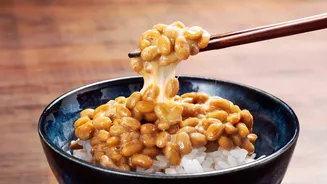

What is Pazhanthanji?
Known by many names across India—including Pazhaya Soru in Tamil Nadu, Panta Bhat in Bengal, and Pakhala in Odisha—Pazhanthanji is a simple dish with a profound history. At its core, it is leftover cooked rice soaked in water and left to ferment overnight,
traditionally in an earthen pot. What begins as a measure to prevent food waste transforms by morning into a nutrient-dense, probiotic-rich meal with a distinct, slightly tangy flavour. Historically, it was the breakfast of farmers and labourers, valued for its ability to provide sustained energy and hydration for a long day of work in the sun. Now, this meal of thrift is being viewed through a modern lens for its incredible nutritional properties.
The Science Behind the Magic
The secret to Pazhanthanji's power lies in the quiet, overnight fermentation process. As the rice soaks, naturally present beneficial bacteria, such as Lactobacillus, multiply. These are the same types of microorganisms, known as probiotics, found in yogurt and kefir that are crucial for a healthy gut microbiome. These bacteria help maintain a healthy balance in your digestive system, which can improve digestion and reduce issues like bloating and constipation. Furthermore, the fermentation breaks down anti-nutrients like phytic acid present in the rice. This breakdown makes essential minerals like iron, calcium, and magnesium more bioavailable, meaning your body can absorb them much more easily.
A Boost of Vitamins and Cooling Energy
The benefits of Pazhanthanji extend well beyond probiotics. The fermentation process significantly increases the levels of B vitamins, especially B6 and the often hard-to-get B12, which are vital for energy metabolism. Studies have shown that the bioavailability of iron can increase dramatically after fermentation, making it a powerful food for combating anaemia. Beyond its nutritional profile, Pazhanthanji is known for its natural cooling effect on the body, making it a perfect meal for India's hot climates. It’s also incredibly hydrating and provides a source of easily digestible carbohydrates for sustained energy without the heavy feeling or sugar crash associated with processed breakfast foods.
A Modern Wellness Resurgence
While it has been a household staple for generations, Pazhanthanji is currently enjoying a resurgence. As gut health becomes a central focus of modern wellness, many are turning away from expensive, imported superfoods and looking towards traditional Indian wisdom. Nutritionists and wellness influencers are highlighting this simple porridge as a natural, affordable, and sustainable alternative to commercial probiotics. Scientific studies, including research from Chennai's Government Stanley Medical College and Hospital, have begun to validate its traditional uses, finding that the biomolecules in fermented rice water can protect colon cells from inflammation and support gut health. This blend of ancient practice and modern validation is putting Pazhanthanji back on the map.
How to Make It at Home
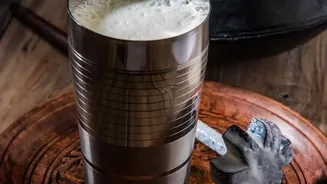
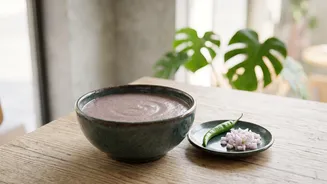
Making this superfood at home is incredibly simple. Start with leftover cooked rice from the previous night. Place the rice in a bowl—an earthen or clay pot is traditional and believed to enhance the fermentation—and cover it with drinking water. Leave it on your counter, covered, for 8 to 12 hours. By morning, the water will be slightly cloudy and the rice soft. You can mash the rice lightly with a spoon or clean hands. Traditionally, it is consumed cold. For flavour, mix in a pinch of salt and classic additions like finely chopped shallots, green chillies, and a dollop of curd or buttermilk. It can be enjoyed on its own or with a simple side like a pickle or chutney.