



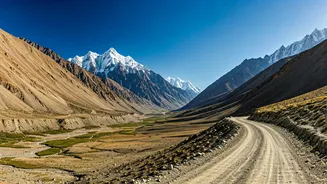


Understanding Spiti’s Rain-Shadow Magic
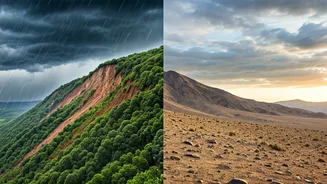
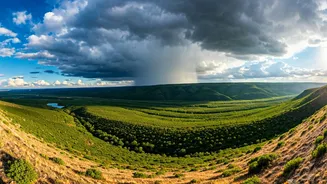
Spiti's appeal as a monsoon destination comes from its unique geography. The towering Pir Panjal and Great Himalayan ranges act as a barrier, blocking most monsoon clouds to reach the valley. While areas like Manali and Shimla receive heavy rainfall,
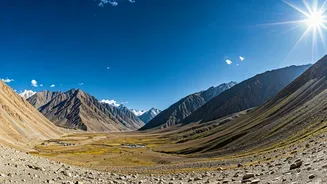
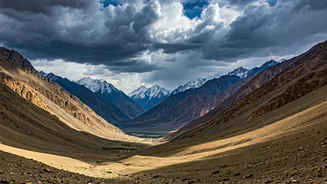
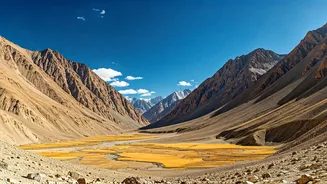
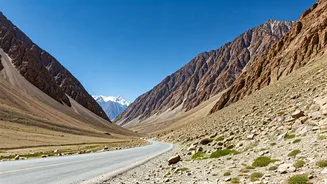
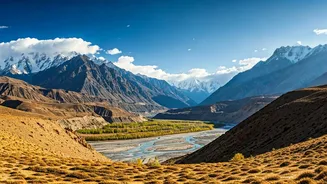
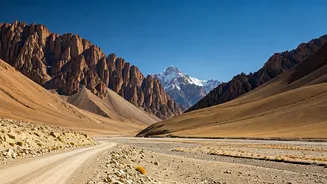
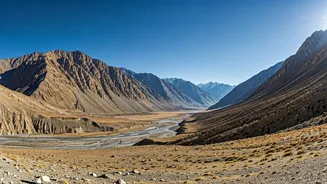
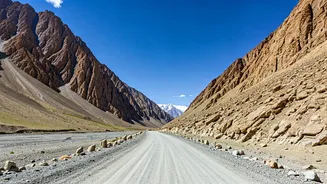
Spiti remains a cold desert with arid landscapes, sunny days, and startlingly blue skies. The average annual rainfall is a mere 170 mm, much of which falls as snow in winter. This means that from July to September, when much of the country is drenched, Spiti offers dry conditions perfect for exploration. However, the real challenge isn't the weather in Spiti, but on the roads leading to it.
Choosing the Right Time to Go
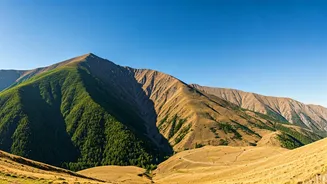
The ideal window to visit Spiti is from late May to early October. The monsoon months of July and August are particularly popular for those looking to avoid the rains elsewhere. During this period, the valley itself is dry and pleasant, though the access roads can be treacherous. July is typically bright and warm within the valley. August is similar but is when the approach roads are at their most vulnerable to landslides and swollen streams. Many travellers consider September the sweet spot, as the monsoon recedes, thinning the crowds and leaving behind lush greenery in the surrounding regions before the autumn chill sets in.
The Two Routes: Shimla vs. Manali
There are two primary routes to Spiti's main town, Kaza: one via Shimla and Kinnaur, and the other via Manali. The Shimla route is longer (approx. 412 km) but is widely considered safer, especially during the monsoon. It involves a more gradual ascent, which is crucial for acclimatisation. The roads are generally better maintained and remain open for more of the year. The Manali route is shorter (approx. 200 km) and more dramatic, crossing the high-altitude Kunzum and Rohtang passes. However, this route involves a rapid altitude gain, increasing the risk of Acute Mountain Sickness (AMS), and is more prone to closures from landslides and dangerous water crossings like the infamous 'Pagal Nala'. For a balanced trip, many experienced travellers recommend entering via Shimla and exiting via Manali.
Acclimatisation: The Most Important Tip
Acute Mountain Sickness (AMS) is a serious risk in Spiti, where villages like Komic and Kibber are situated above 4,200 metres. Symptoms include headache, nausea, dizziness, and fatigue. The golden rule is to ascend gradually. This is why the Shimla route is strongly recommended for first-timers. Once in the valley, 'sleep low, explore high' is a key principle. Spend your first few nights at lower altitude villages like Tabo (3,280m) before moving to Kaza (3,800m). Hydration is critical; aim to drink 3-4 litres of water daily. Eating light, carbohydrate-rich meals also helps your body adapt. It's wise to carry medications like Diamox, but only after consulting a doctor.
Packing Essentials for the High Desert
Spiti’s weather is unpredictable. Even in summer, nights are cold, so layering is essential. Your packing list should include thermal innerwear, a fleece jacket, and a windproof, waterproof outer jacket. Quick-dry T-shirts and trekking pants are more practical than cotton. Sturdy, waterproof shoes with good grip are non-negotiable. Other must-haves include a woollen cap, gloves, sunglasses with UV protection, and high-SPF sunscreen, as the sun is harsh at high altitudes. Also, carry a basic medical kit, a reusable water bottle, energy bars, and sufficient cash, as ATMs are scarce and often don't work in remote areas.
Permits and Other Practicalities
For Indian citizens, the good news is that no Inner Line Permit (ILP) is required to visit Spiti Valley. You will, however, need to carry a valid government-issued photo ID like an Aadhaar card or passport for registration at police checkpoints, such as those at Jangi and Sumdo. Foreign nationals do require a Protected Area Permit (PAP) to travel beyond certain points like Reckong Peo. If you are driving your own vehicle via the Manali route, you will also need a separate permit to cross the Rohtang Pass. It's always advisable to carry multiple photocopies of your documents.