





The OTT Revolution Has Matured
The era of Over-the-Top (OTT) streaming, which exploded during the pandemic, is now a permanent and powerful part of India's entertainment landscape. Platforms like Netflix, Amazon Prime Video, Disney+ Hotstar, SonyLIV, and ZEE5 are no longer just repositories
for old films; they are major players in film distribution, often premiering big-budget movies directly. This has democratised access for filmmakers, especially those telling non-commercial or regional stories that might have struggled for theatrical distribution. For viewers, it means unprecedented choice and convenience. The decision is no longer just what to watch, but which subscription makes the most sense. With the OTT market in India projected to grow significantly, this space will only get more competitive and diverse.
The Cinema Strikes Back
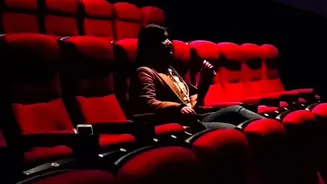
Just as streaming became a comfortable habit, cinemas have been innovating to win audiences back. The shared, communal experience of watching a blockbuster on a giant screen remains a powerful draw that OTT cannot replicate. To sweeten the deal, multiplex chains are fighting back with new offerings. PVR INOX, for example, launched its 'Passport' subscription, a monthly pass that allows subscribers to watch a set number of movies on weekdays for a fixed price. The first version allowed for 10 movies a month for ₹699, and a revised version later offered four movies for ₹349, with options to upgrade for premium formats like IMAX or 4DX. This move aims to make frequent cinema-going more affordable and revive the thrill of a theatre outing, especially when paired with discounts on food and beverages.
The Shrinking Theatrical Window
The biggest battleground between cinemas and streaming is the 'theatrical window'—the exclusive period when a film is only available in theatres. This window has been shrinking dramatically. Where films once ran for months, it is now common for a movie to appear on a streaming service just weeks after its theatrical debut. This creates a new strategic choice for moviegoers. Do you rush to the theatre for the opening weekend, or do you wait a few weeks to watch it from your couch? Producers and distributors now often use a hybrid model, aiming to maximise revenue from both theatrical ticket sales and lucrative OTT rights deals. For audiences, this means a film's theatrical success often determines how quickly it moves to a streaming platform.
Finding Value with Flexible Pricing
Ticket prices are no longer static. Multiplexes have embraced dynamic pricing, a model similar to airlines and hotels, where the cost of a ticket can change based on several factors. This includes the day of the week, the show's timing, demand, and even the seat's location. While this can mean higher prices for a prime-time weekend show of a new blockbuster, it also creates opportunities for savings. Moviegoers can often find cheaper tickets for weekday matinees or by booking well in advance. This system, managed through online ticketing platforms like BookMyShow and now Zomato's District app, gives price-conscious consumers the ability to choose an experience that fits their budget.
The Power of Digital Word-of-Mouth
The most powerful tool in a moviegoer's arsenal might just be their smartphone. Social media has become a massive force in shaping a film's destiny. Before booking a ticket, viewers can check reviews, watch trailers, and gauge public opinion on platforms like Twitter and Instagram. A film's success is no longer guaranteed by star power alone; strong word-of-mouth is crucial. Audiences, particularly the under-30 demographic that drives a significant portion of box office revenue, are highly influenced by online trends, memes, and influencer opinions. This digital buzz allows sleeper hits to find their audience and helps viewers decide if a movie is truly worth their time and money, making the audience itself a key part of the industry's new decision-making landscape.