





The Psychology of 'Painless' Payments
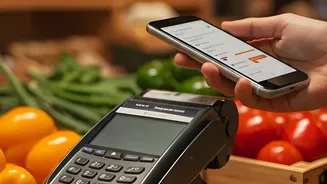
The core issue with countless small UPI transactions is that they don't feel like real spending. Handing over a crisp ₹100 note creates a moment of friction and a tangible sense of loss. Psychologists call this the "pain of paying." Digital payments,
with their quick scans and instant confirmations, are designed to eliminate this friction entirely. This makes the transaction feel abstract and psychologically distant, encouraging more frequent and impulsive buys. One study found that about 75% of users reported their spending increased after adopting UPI. This isn't a lack of discipline; it's a feature of the technology's design that makes money feel invisible until you check your balance at the end of the month.
Death by a Thousand Scans
While each individual transaction for a coffee or a snack seems insignificant, the cumulative effect can be staggering. A daily spend of just ₹150 on miscellaneous items adds up to ₹4,500 a month—an amount that could have been a significant contribution to savings or an investment. This phenomenon, where small, untracked expenses lead to a major budget shortfall, is a common side effect of frictionless digital payments. Many people only review their overall bank balance, not the detailed list of micro-transactions that led to its decline. This lack of visibility makes it difficult to understand where a significant portion of income is actually going, derailing financial goals without you ever making a single large, regrettable purchase.
Tip 1: Create a Digital 'Petty Cash' Drawer
One of the most effective strategies is to treat your UPI spending like an old-school cash envelope. A simple way to do this is by using UPI Lite, an on-device wallet available on most major payment apps. At the beginning of each week, decide on a fixed budget for all your small, miscellaneous expenses—for instance, ₹1,000. Load only this amount into your UPI Lite wallet. For all your daily chai, commute, and snack expenses, pay exclusively from this pre-loaded fund. This method walls off your discretionary spending from your main savings and salary account. The transactions are faster and don't clutter your bank statement, giving you a clear, limited pool of funds for daily habits.
Tip 2: The Five-Minute Daily Audit
Awareness is the first step toward control. Commit to spending just five minutes every evening reviewing your UPI transaction history for the day. Every UPI app provides a detailed, time-stamped log of all payments. Don't judge or criticise your spending; simply observe it. Tally up the total amount spent on non-essentials. This simple act of reviewing brings the 'invisible' spending into sharp focus. Seeing a list of five or six small payments can be a powerful reality check. This daily audit helps you become more mindful and naturally self-correct your spending the following day without needing complex spreadsheets or discipline.
Tip 3: Reintroduce Healthy Friction
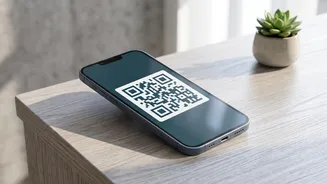
Since the problem is frictionless spending, the solution is to intentionally add some friction back into the process. A simple technique is the 'payment pause'. Before you scan a QR code for an unplanned purchase, stop for three to five seconds and ask yourself, "Do I really need this right now?". This tiny delay re-engages the thoughtful part of your brain that instant payments are designed to bypass. For a more technical approach, consider disabling any auto-refill rules on wallets or using a secondary bank account for UPI that requires you to manually transfer funds into it. That extra step provides a crucial moment to reconsider an impulse buy.
Tip 4: Automate Your Tracking
If manual tracking feels like too much work, let technology do it for you. A growing number of expense tracker apps in India are designed specifically for the UPI era. Apps like Moneyview, Axio, and FinArt can securely read your transaction-related SMS alerts and automatically categorise all your spending, showing you exactly where your money is going with easy-to-read charts. Seeing a visual breakdown that reveals you spent 25% of your income on food and transport can be a powerful motivator for change. Even major UPI apps have built-in tracking features that can provide a quick overview of your spending patterns.