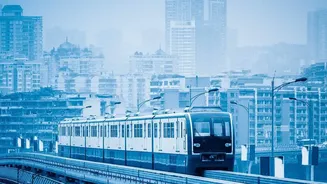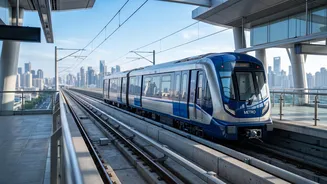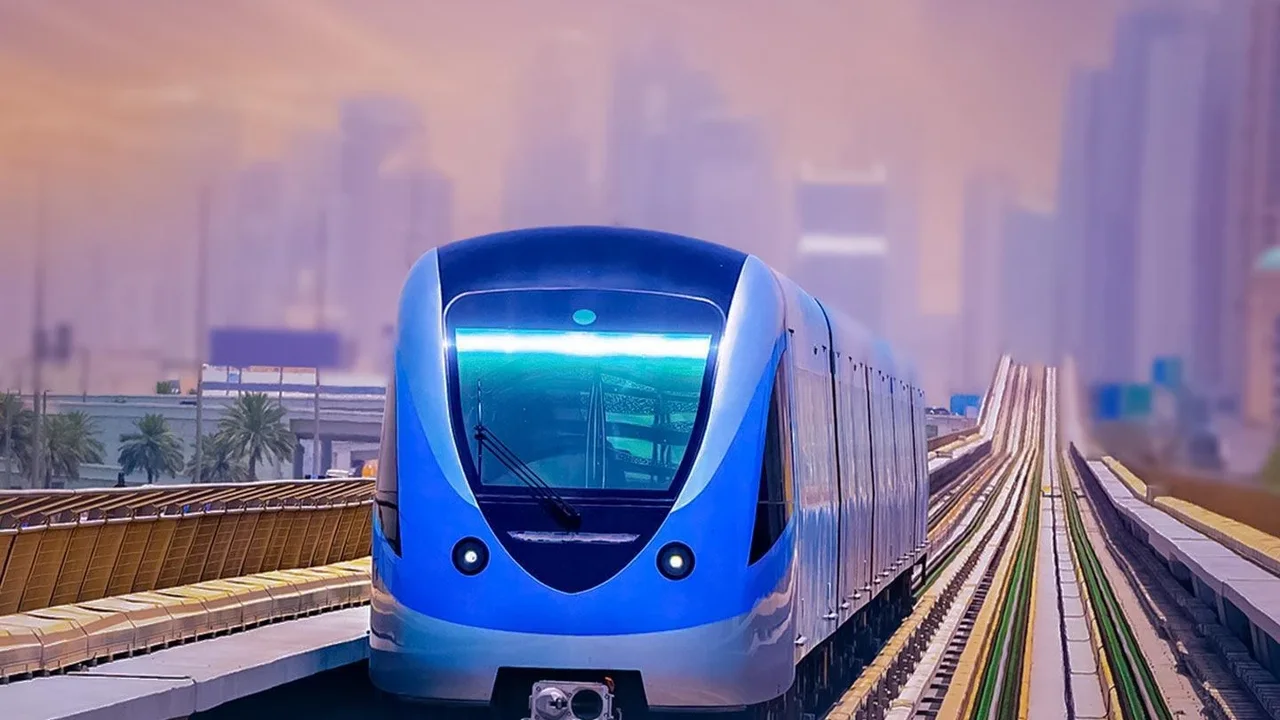





A Leap into the Future
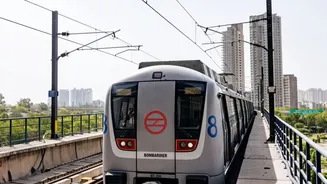
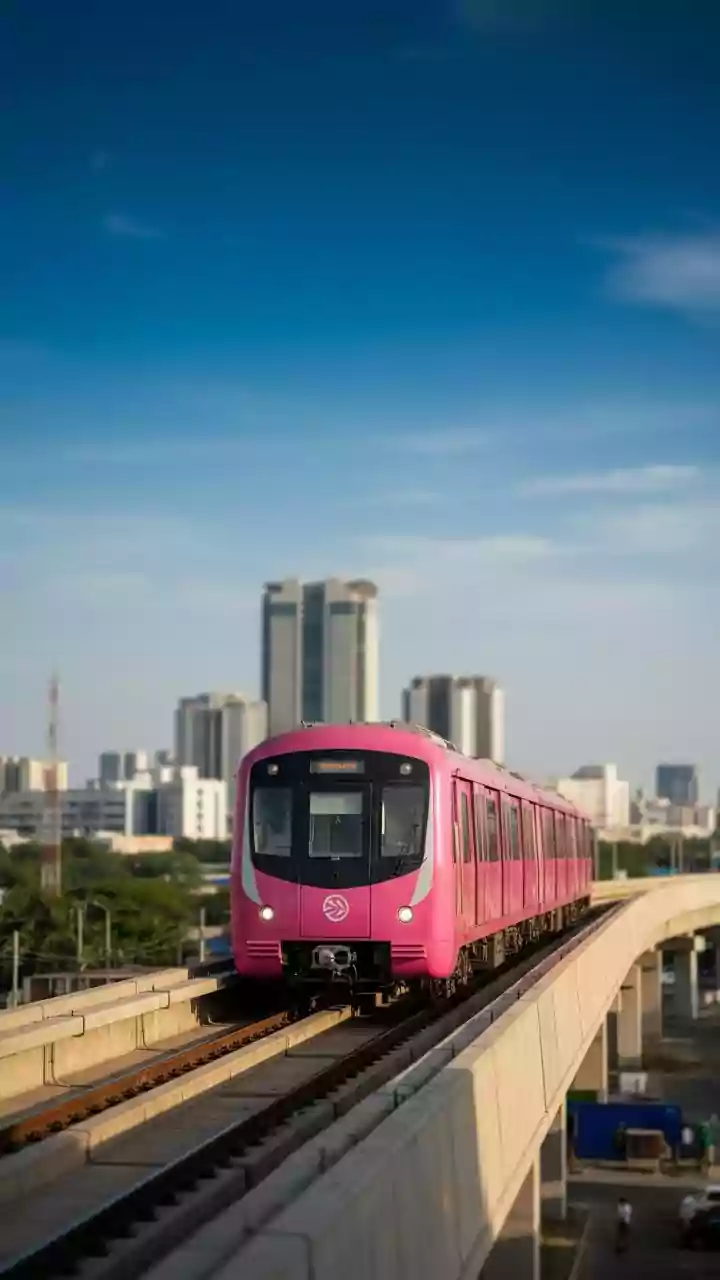
Since the first driverless train was inaugurated on the Magenta Line on December 28, 2020, Delhi Metro has joined a select league of global cities with advanced, automated urban rail. Officially known as Unattended Train Operation (UTO), or Grade of Automation
4 (GoA4), the system allows trains to run without any staff on board, controlled entirely from a central command centre. This technology is currently active on the Magenta and Pink Lines, which together span about 120 kilometres and constitute roughly 29% of the entire Delhi Metro network. These aren't your regular metro trains; they are a sophisticated network of sensors, high-resolution cameras, and advanced signalling systems known as Communication-Based Train Control (CBTC), which allows for real-time monitoring and control.
The High Price of Progress
The 'high cost' in the headline isn't just about the trains themselves. Implementing UTO technology requires a massive upfront capital investment. This includes the specialised rolling stock, the intricate CBTC signalling, platform screen doors (PSDs) to ensure passenger safety, and state-of-the-art operation control centres. This high initial expenditure is a primary point of concern for critics, including some within the government. Sudhanshu Mani, a former railway general manager instrumental in the Vande Bharat project, has cautioned against blindly adopting the model, arguing that India's lower staffing costs compared to developed nations mean a cost-benefit analysis must be specific to our context. As of now, a definitive public comparison of the total lifecycle costs between driverless and conventional metro systems in India is not readily available, leaving the debate open.
Ridership Records and Efficiency
The clearest sign of success for the driverless corridors is their impressive performance. During the pre-Diwali rush on November 2, 2026, the driverless trains on the Magenta and Pink lines carried a staggering 1.6 million passengers in a single day. This figure represented about one in every five commuters on the entire Delhi Metro network that day, which sees an average daily ridership of around 6.4 million. Proponents of the technology, like DMRC Managing Director Vikas Kumar, point to this as evidence of its success. Automation allows for greater operational flexibility, reduces human error, and can increase the frequency of trains. The system's reliability is a key metric; DMRC achieved an overall punctuality rate of 99.95% in 2026.
More Than Just Numbers
Beyond ridership, the benefits are clear. Automation eliminates the risk of human error, ensuring precise and predictable schedules. The driverless system allows for dynamic service changes based on demand, without being constrained by the availability of crew. The trains also conduct exhaustive self-tests before entering service, which has significantly improved the fleet's dependability. Another perk is the removal of the driver's cabin, which frees up more space for passengers on crowded trains. Despite initial concerns about job losses for the DMRC's 3,000 train operators, the corporation has stated that no one has been laid off since 2020. Instead, staff have been redeployed to other crucial roles like station management and crowd control.
A Blueprint for Other Cities?
The success of Delhi's driverless lines has sparked a nationwide debate. With metro services now operational in 26 Indian cities, the question is whether they should all follow Delhi's lead. The DMRC management believes the time is right for other projects to adopt the model, citing proven gains in efficiency and reliability. However, the high capital cost remains a significant barrier. The central government has itself acknowledged that different cities require different solutions, promoting tiered options like MetroLite and MetroNeo for cities with lower ridership projections, which can be built for 40% and 25% of a conventional metro's cost, respectively. As Delhi plans to expand its driverless network to 198 km, other cities will be watching closely, weighing the promise of futuristic efficiency against the reality of their budgets.