





A Unique Geographical Advantage
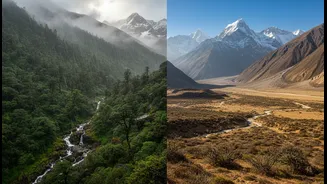
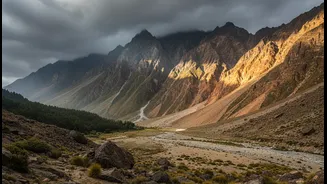
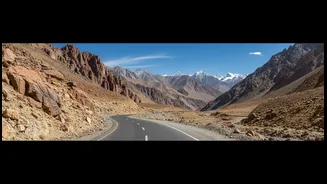
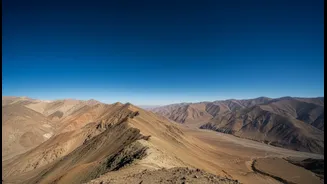
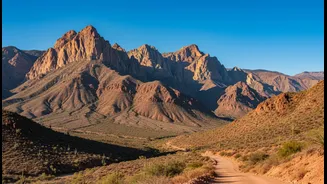
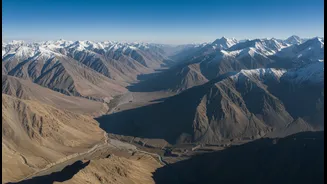
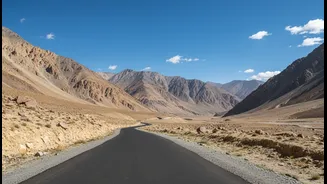
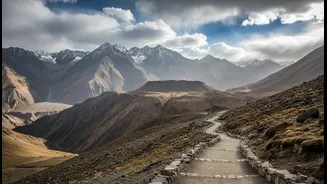
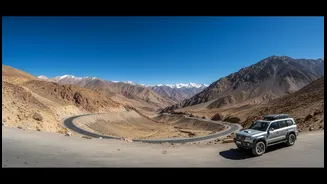
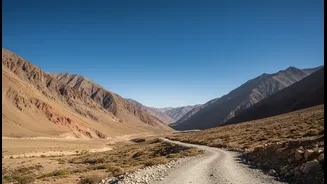
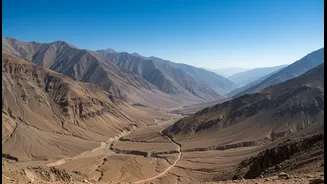
The primary reason Ladakh and Spiti are safe for monsoon trekking is their location in a rain-shadow region. The towering Himalayan ranges to the south act as a massive barrier, blocking most of the moisture-laden monsoon clouds from passing over. While
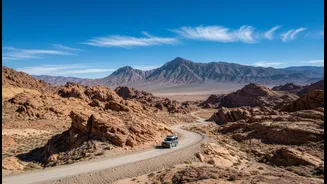
other parts of Himachal Pradesh and Uttarakhand experience heavy rainfall, these high-altitude cold deserts receive very little precipitation. This results in a dry, stable, and predictable climate even between July and September, the peak of the monsoon. The trails remain solid, river crossings are generally manageable, and the risk of sudden flash floods or landslides caused by incessant rain is significantly lower than in other mountain regions. This geographical blessing is the foundation of their trekking safety.
Strict Administrative Oversight
Both the Union Territory of Ladakh and the district administration of Lahaul and Spiti have implemented robust regulations to enhance trekker safety. In Spiti, for instance, it is now compulsory for all trekkers to obtain prior permission and register their expedition with the District Disaster Management Authority (DDMA). This registration process requires submitting a detailed itinerary, team information, and emergency contacts, ensuring authorities know who is on the trails. Similarly, Ladakh's tourism department has clear guidelines, including a mandatory 48-hour acclimatisation period in Leh for all arrivals to prevent altitude sickness. These rules are not mere suggestions; unauthorised trekking can lead to legal action. This structured approach ensures that treks are well-monitored and that help can be dispatched efficiently if needed.
The Human Element: Experienced Guides and Operators
Beyond geography and government rules, the deep-rooted expertise of local guides and tour operators forms a critical safety net. These professionals possess generations of knowledge about the terrain, microclimates, and safe routes. They understand which river crossings become dangerous in the afternoon due to glacial melt and can read subtle weather changes that might escape an outsider. Reputable agencies ensure their groups are equipped with essential safety gear, first-aid kits, and often satellite phones for communication in remote areas where mobile networks are non-existent. The administration also discourages solo trekking, reinforcing the importance of trekking with an experienced team. Relying on this local expertise is a non-negotiable aspect of a safe trek in the region.
Your Role in Ensuring a Safe Trek
While authorities and geography provide a safe environment, individual responsibility is crucial. The most critical step is proper acclimatisation to the high altitude, as Acute Mountain Sickness (AMS) is a more prevalent risk here than landslides. Spending at least two full days in Leh (3,500m) or Kaza before ascending further is mandatory and essential for your body to adjust. Always choose a registered and reputable trekking agency. Check their safety record and ensure they have a clear emergency protocol. Pack appropriately, including warm layers for cold nights, rain protection for occasional showers, and personal medications. Finally, always adhere to the marked trails and follow the instructions of your guide and local authorities. Your preparedness is the final piece of the safety puzzle.