








The Beautiful Revolution
To understand the final, you must first understand the Dutch. The Netherlands side of 1974 was not just a team; it was an idea. Coached by Rinus Michels and led on the pitch by the visionary Johan Cruyff, they played a mesmerizing style called 'Totaalvoetbal',
or Total Football. The concept was revolutionary: any outfield player could take over the role of any other player in the team. Defenders surged forward, attackers dropped deep, and positions became fluid, interchangeable parts in a hypnotic orange machine. They were poets, artists, and athletes rolled into one, dazzling the world on their way to the final. They weren't just expected to win; for many, their victory felt like a cosmic necessity, a validation that beautiful, intelligent football was the ultimate truth.
The Pragmatic Powerhouse
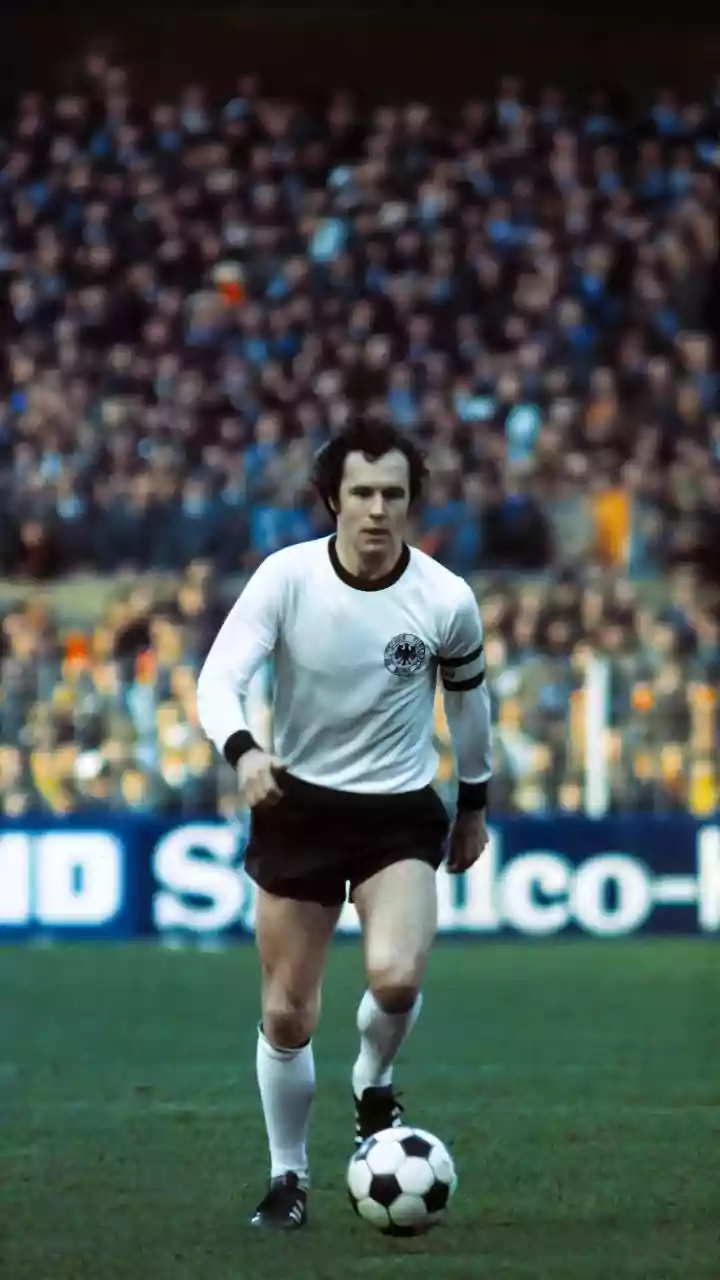
Their opponents were the hosts, West Germany. If the Dutch were the flamboyant artists, the Germans were the master engineers. This was a team forged in resilience and discipline, built around the elegant sweeper Franz Beckenbauer, nicknamed 'Der Kaiser', and the lethally efficient striker Gerd Müller, known as 'Der Bomber'. While they lacked the Dutch team's ideological purity, they possessed an unshakeable self-belief and a ruthless winning mentality. Their system was more traditional, relying on individual brilliance, disciplined man-marking, and an uncanny ability to exploit an opponent's weakness. They were the reigning European champions, playing on home soil, and they were not there to admire the Dutch masterpiece; they were there to dismantle it.
The Perfect Start, The Fatal Hubris
The match began as a coronation. From the opening kick-off, the Dutch passed the ball among themselves 15 times, a dazzling display of possession. Cruyff then received it, darted into the German penalty area, and was brought down. A penalty was awarded before a single German player had even touched the ball. Johan Neeskens smashed it home. It was the second minute of the game. The Dutch were 1-0 up, and their philosophy seemed utterly vindicated. But then, a strange thing happened. Instead of going for the kill, they began to toy with the Germans, content to pass the ball around and, in their eyes, humiliate their rivals. It was a moment of supreme confidence that bordered on arrogance, and it would prove to be their undoing.
The German Response
Stung but not broken, the Germans fought their way back. The key tactical battle was between Cruyff and his designated marker, the tenacious Berti Vogts, who shadowed him relentlessly. With the Dutch maestro neutralised, the German machine began to grind into gear. In the 25th minute, Bernd Hölzenbein made a driving run into the Dutch box and went down, earning a controversial penalty of their own. Paul Breitner coolly converted. The momentum had shifted. Then, just two minutes before halftime, the decisive blow came. A cross found Gerd Müller in the box. With his back to goal, he swivelled and shot in one awkward, unbalanced, yet perfectly lethal motion. The ball trickled past the keeper. It was 2-1. It was a typical Müller goal: not pretty, but brutally effective.
The Legacy of a Beautiful Defeat
The second half saw the Dutch lay siege to the German goal, but the wall held firm. The final whistle blew, and the pragmatic Germans were world champions. The beautiful revolution had been defeated. This result sent a shockwave through the football world. It demonstrated that sublime, attacking idealism could be conquered by discipline, organisation, and clinical finishing. It didn't kill Total Football—its principles would later be resurrected and evolved by coaches like Cruyff himself at Barcelona, and later Pep Guardiola—but it tempered the romance. The 1974 final became a tactical blueprint for underdog teams and pragmatic coaches for generations to come. It proved that you didn't have to outplay the opponent; you just had to outscore them. The beautiful game was forced to confront an ugly, effective truth.