






The Ancient Roots of Vetiver
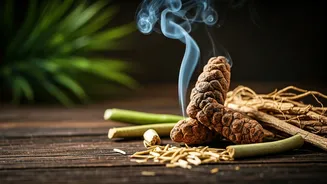
Before it became a staple in luxury perfumes and home fragrances, vetiver—known in India as 'khus'—was celebrated for its remarkable properties. This perennial grass, native to India, is not prized for its blades but for its complex, web-like root system.
The essential oil extracted from these roots is what gives vetiver its signature scent: a rich, layered aroma that is simultaneously earthy, woody, smoky, and subtly sweet. Unlike single-note fragrances, vetiver is a full-bodied experience. It doesn't just mask odours; it transforms the atmosphere, evoking the calming petrichor of the first monsoon rain on dry soil. Its complexity is why it's often called the 'oil of tranquility' and has been used for centuries in everything from cooling mats to traditional Ayurvedic remedies.
More Than a Scent: A Grounding Experience
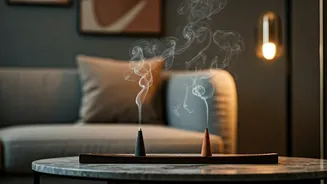
The appeal of vetiver goes far beyond its unique fragrance profile. In aromatherapy, it is renowned for its profound grounding and calming effects on the mind. In a world of constant digital noise and overstimulation, the earthy notes of vetiver act as an anchor, helping to soothe anxiety, reduce stress, and promote mental clarity. Lighting a vetiver cone after a long day can be a powerful ritual for transitioning from a hectic work mindset to a peaceful home environment. It encourages a sense of stillness and contemplation, making it an ideal companion for meditation, reading, or simply unwinding. The scent doesn't shout for attention; it whispers, creating a serene sanctuary where you can reconnect with yourself.
Why Artisan Cones Make All the Difference
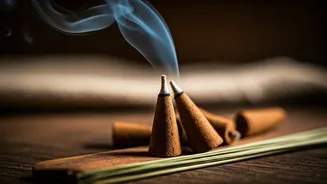
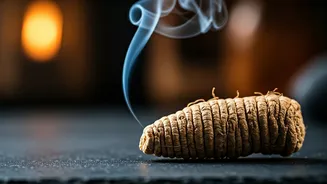
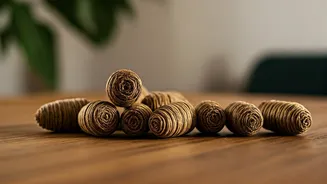
Not all fragrance cones are created equal. The market is flooded with mass-produced incense that relies on synthetic fragrance oils and chemical binders, often resulting in a harsh, overpowering smoke that can cause headaches. Artisan vetiver cones, however, are a world apart. True artisans craft their cones using traditional methods, often referred to as 'dhoop'. They use a base of natural materials like powdered wood, resins, and herbs, bound together with water. The star ingredient is pure, high-quality vetiver essential oil, not a cheap imitation. This commitment to natural ingredients means the cone burns cleanly, releasing a pure, authentic aroma that smells like the plant itself. The smoke is gentler, and the fragrance is more nuanced and lingering, scenting a room long after the cone has finished burning.
Embracing the Dhoop Ritual
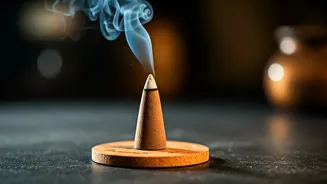
Using an artisan dhoop cone is a simple but mindful practice. Unlike incense sticks that have a bamboo core, dhoop cones are solid fragrance, offering a more concentrated and potent aroma. To begin, place the cone on a heat-proof surface, such as a ceramic dish or a designated incense holder. Light the very tip of the cone with a match or lighter until it catches a flame. Allow it to burn for a few seconds before gently blowing it out. The tip should now be glowing red and releasing a steady stream of fragrant smoke. For the best experience, place it in a central part of the room or near an area where you want to create a focal point of calm. Let the smoke curl and drift, carrying the grounding scent of vetiver throughout your space. There is no right or wrong way; it’s about creating a moment of peace for yourself.
Finding Your Perfect Vetiver
As you explore the world of vetiver, you'll discover that its scent can vary depending on its origin. Some vetiver oils are smokier, while others have hints of green or citrus notes. Many artisan producers also blend vetiver with other complementary natural oils like sandalwood, patchouli, or frankincense to create even more complex bouquets. Don't be afraid to try different blends to find the one that resonates most with you. Look for small-batch creators and local brands that are transparent about their ingredients. Supporting them not only ensures you get a superior product but also helps preserve the traditional art of dhoop making.