


What Is Portion Mapping?
Portion mapping is less of a diet and more of a visual guide to building a balanced plate. Instead of relying on weighing scales, measuring cups, or complex calorie-tracking apps, this method uses simple visual cues to ensure you get a healthy mix of macronutrients—proteins,
carbohydrates, and fats—along with plenty of vegetables. The goal isn't restriction; it's about creating awareness and building sustainable habits. Think of it as a blueprint for your plate. By visually dividing your meal into sections for different food groups, you can eyeball your way to better nutrition, making healthy eating feel less like a chore and more like a natural part of your daily routine.
Why It's Better for Your Mindset
The constant tracking and quantification of food can lead to stress, anxiety, and an unhealthy obsession with numbers. Portion mapping shifts the focus from 'how much' you are eating to 'what' you are eating. This change in perspective is crucial for developing a healthier relationship with food. It liberates you from the guilt associated with exceeding a calorie limit and encourages you to listen to your body's hunger and fullness cues. By prioritising balance and nourishment over strict rules, you can reduce the mental burden of dieting, enjoy your meals more, and avoid the all-or-nothing thinking that so often derails long-term health goals. It’s about nourishment, not punishment.
The Plate Method: Your Visual Blueprint
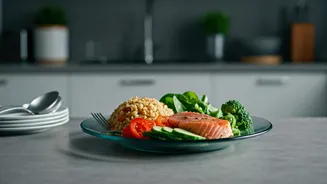
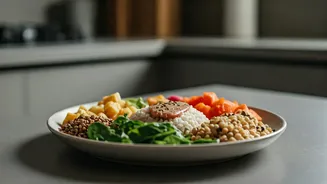
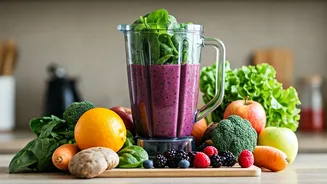
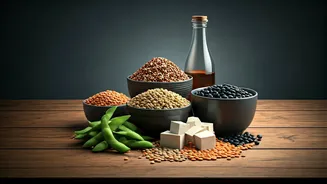
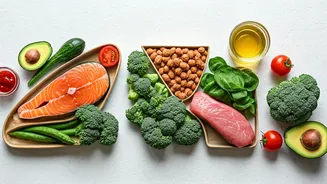
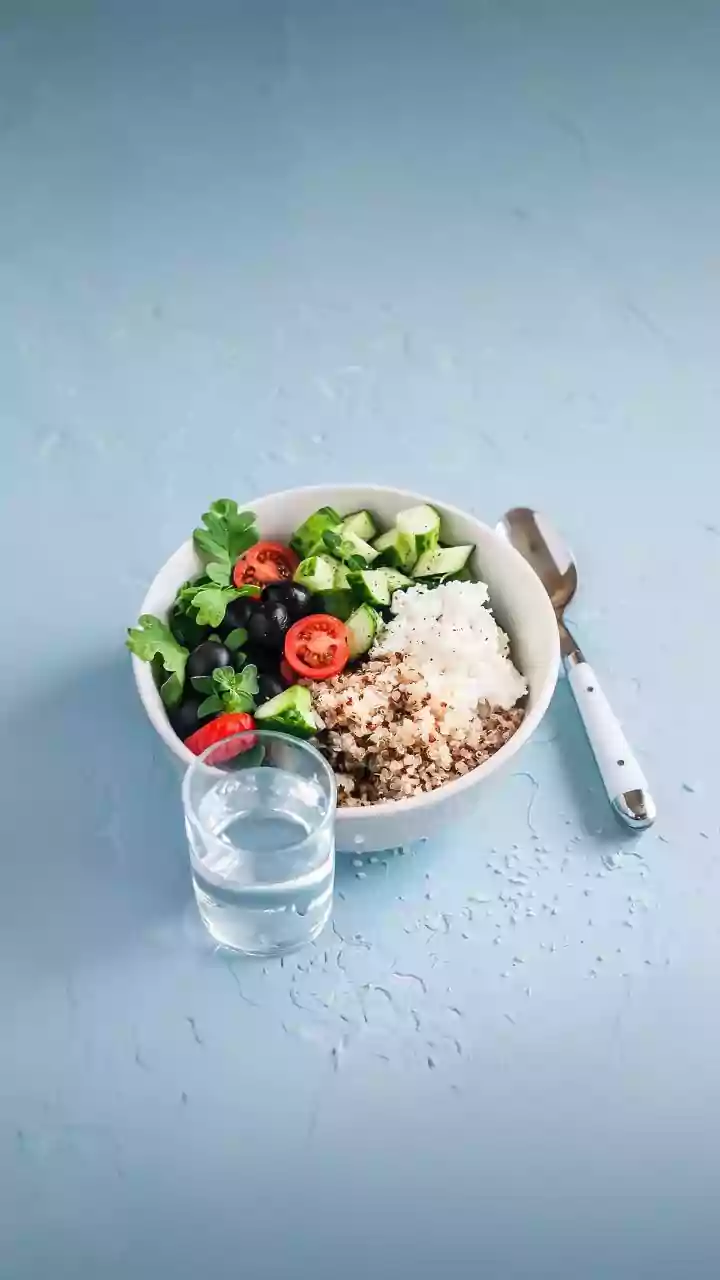
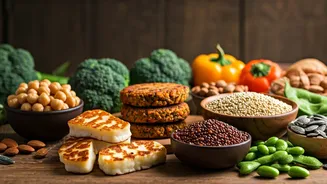
One of the easiest ways to start with portion mapping is the 'plate method.' It’s simple, effective, and works with any standard-sized dinner plate. Here’s how to do it: 1. **Fill Half Your Plate with Non-Starchy Vegetables:** This is the foundation. Think leafy greens, broccoli, bell peppers, carrots, tomatoes, and cucumbers. These foods are rich in vitamins, minerals, and fibre, and they help you feel full without adding a lot of calories. 2. **Fill One Quarter with Lean Protein:** This section is for foods like grilled chicken, fish, tofu, beans, or lentils. Protein is essential for building and repairing tissues, and it promotes satiety, keeping you fuller for longer. 3. **Fill One Quarter with Complex Carbohydrates:** Choose whole grains and starchy vegetables for this part of your plate. Think brown rice, quinoa, whole-wheat pasta, or sweet potatoes. These provide sustained energy and essential nutrients.
The Hand Method: Your Portable Guide
What about when you're eating out or don't have a plate in front of you? The 'hand method' is a discreet and incredibly useful tool that turns your own hand into a portable portion guide. It’s an easy way to estimate serving sizes wherever you are. * **Protein:** A serving of protein (like meat, fish, or tofu) should be about the size of your **palm** (not including your fingers). * **Vegetables:** A serving of vegetables or salad should be about the size of your **clenched fist**. * **Carbohydrates:** A serving of carbs (like rice or pasta) should be what fits in your **cupped hand**. * **Fats:** A serving of healthy fats (like oils, butter, or nuts) should be about the size of your **thumb**. Using your hand as a reference makes it easy to maintain balance even when you’re not in control of the cooking.
Tips for Making It a Habit
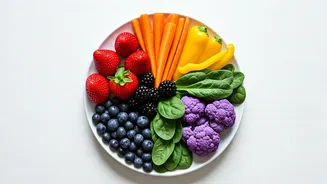
Adopting any new habit takes time, but you can set yourself up for success with a few simple strategies. Don't try to be perfect from day one. Start by applying portion mapping to just one meal a day, like lunch or dinner, and gradually build from there. Focus on adding colour to your plate; a colourful meal is often a nutritious one. Pre-chopping vegetables at the beginning of the week can make it much easier to fill half your plate with them when you're tired and hungry. Most importantly, be patient with yourself. Some meals will be perfectly balanced, and others won't—and that's completely okay. The goal is progress, not perfection.