



1. Waterproof Bag and Rain Cover
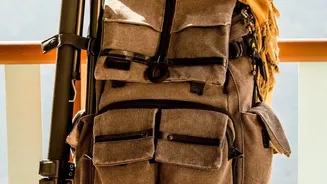
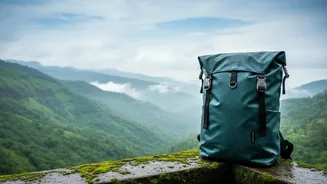
Your first line of defence is protecting your luggage. A sudden cloudburst during a transfer is all it takes to soak everything you own. Start with a waterproof or highly water-resistant backpack. Even then, a dedicated rain cover is non-negotiable. These
lightweight covers pack down to nothing and can be deployed in seconds, providing an essential shield against downpours and mud splashes, ensuring your clothes and electronics stay dry inside.
2. Quick-Dry Synthetic Clothing
During the monsoon, cotton is not your friend. It absorbs moisture, becomes heavy, and can take days to dry in the high humidity. Instead, pack lightweight clothes made from synthetic, quick-dry fabrics like polyester or nylon. These materials wick moisture away from your skin and will air dry in your hotel room overnight, meaning you can pack lighter and always have something comfortable and dry to wear.
3. Waterproof Footwear with Good Grip
Wet feet are not just uncomfortable; they can lead to blisters and other issues. More importantly, monsoon rains make surfaces notoriously slippery. Avoid standard flip-flops, which offer poor grip. Opt for sturdy, waterproof sandals with rubber soles or quick-drying trekking shoes. Good grip is crucial for navigating wet pavements, muddy trails, and slippery temple floors safely.
4. A Reliable Raincoat and a Compact Umbrella
This two-pronged approach keeps you covered in all situations. A lightweight, breathable, and packable raincoat or poncho is essential for heavy rain or when you need your hands free. A poncho can have the added benefit of covering your backpack as well. For shorter walks or dashing between transport and your hotel, a compact, sturdy umbrella is often more convenient. Strong winds can make umbrellas tricky, so having a raincoat as a backup is a smart move.
5. Zip-Lock Bags and Dry Bags
These are the unsung heroes of monsoon travel. Use various sizes of zip-lock bags to protect your passport, cash, documents, and small electronics like your phone and camera from unexpected showers. For complete peace of mind, especially if you’re carrying a laptop or expensive camera gear, invest in a proper dry bag. Tucking one inside your main backpack provides a fully sealed, waterproof compartment for your most valuable items.
6. A Quick-Dry Microfiber Towel
Hotel towels can be thin, and in the monsoon, they never seem to dry completely. A personal microfiber towel is a game-changer. It’s incredibly absorbent, lightweight, and dries significantly faster than a traditional cotton towel, preventing that musty smell from developing in your bag. It's perfect for drying off after an unexpected soaking or wiping down your gear.
7. Mosquito and Insect Repellent
The aftermath of rain is standing water, which creates a breeding ground for mosquitoes. Mosquito-borne illnesses can be a concern, so a good insect repellent is an absolute must-have, especially during the evenings. Consider a repellent containing DEET for maximum effectiveness and apply it generously to any exposed skin.
8. A Well-Stocked First-Aid Kit
Damp conditions can make small cuts or scrapes more prone to infection. Your medical kit should include antiseptic wipes, waterproof bandages, pain relievers, and any personal medications. It's also wise to include anti-fungal powder and tablets for diarrhoea, which can sometimes be a travel concern. Keeping everything in a waterproof pouch is a good habit.
9. Portable Power Bank
Heavy rains can sometimes lead to power cuts, especially in more remote areas or hill stations. A fully charged power bank ensures you can keep your phone and other essential devices running, allowing you to access maps, make calls, and stay connected even when the electricity is out. It provides peace of mind and is a modern travel essential regardless of the season.
10. Silica Gel Pouches
This is a clever trick to combat pervasive humidity. Even if your bags don't get directly rained on, the damp air can seep into your luggage, making electronics feel sticky and clothes smell musty. Tossing a few small silica gel pouches into your main bag and especially into pouches with electronics can help absorb this excess moisture, protecting your gear from the inside out.