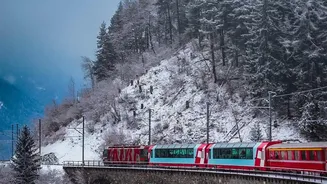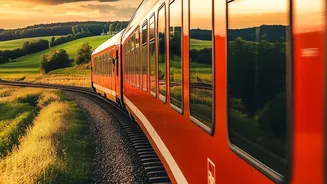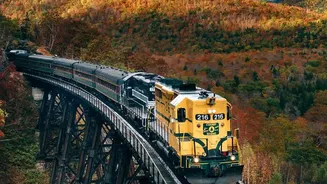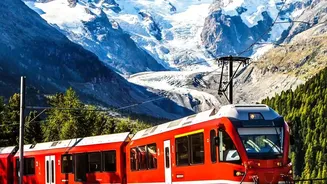


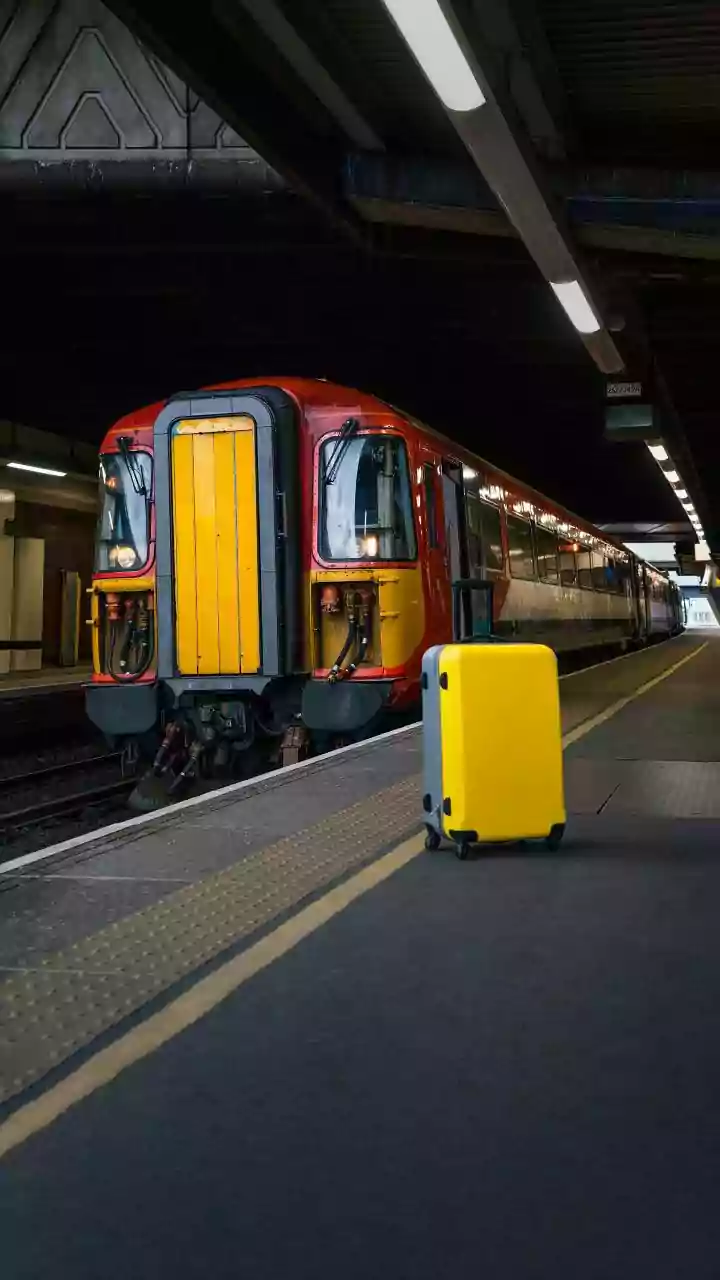


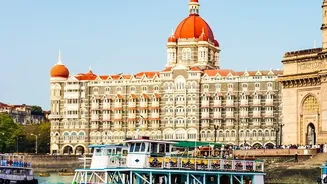
In a world that worships speed, a growing number of stressed urban professionals are choosing to slow down. They're swapping crowded airports for the gentle rhythm of railways, seeking refuge not just in a destination, but in the journey itself.
An Antidote to Hustle Culture
For many
professionals in India's bustling cities, life is a frantic race against time, marked by tight deadlines and constant digital connectivity. This 'hustle culture' has led to widespread burnout, with a 2024 Deloitte survey finding that a high percentage of Indian Gen Z and millennials report persistent exhaustion. Slow travel, particularly by train, has emerged as a powerful antidote. It intentionally rejects the pressure to be productive and efficient, replacing it with an invitation to simply 'be'. The very nature of a long train journey—the unhurried pace, the lack of urgent demands—creates a space for mental recovery that a quick weekend getaway often fails to provide. It is a conscious decision to choose immersion over speed, a philosophy that is transforming what it means to take a break.
The Journey Becomes the Destination
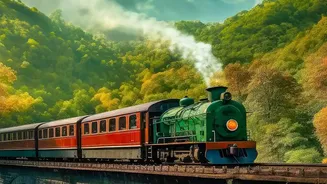
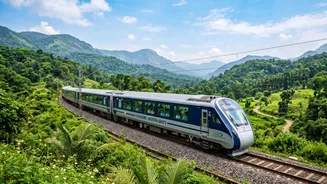
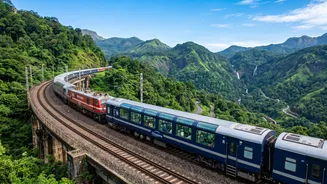
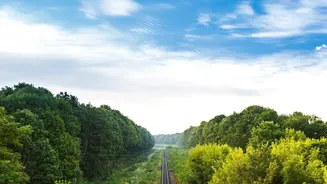
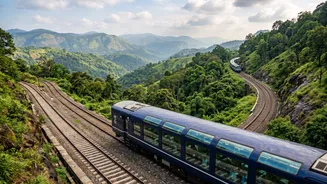
Unlike air travel, which treats the journey as a necessary inconvenience, scenic rail trips frame the travel itself as the main event. India is home to several such corridors that offer more than just transport; they provide a moving panorama of the country's diverse landscapes. The Konkan Railway, for instance, is celebrated for its breathtaking views of the Arabian Sea and Western Ghats, especially during the monsoon when the landscape is lush and waterfalls cascade beside the tracks. Similarly, the UNESCO World Heritage mountain railways, like the Darjeeling Himalayan Railway and the Kalka-Shimla line, are marvels of engineering that wind through forests, tea gardens, and charming hill stations at a gentle pace. This slow, unfolding view allows travellers to connect with the 'in-between' spaces often missed from 30,000 feet, making the journey as memorable as the destination.
A Forced Digital Detox
Many of India's most scenic railway routes traverse remote areas with limited or non-existent internet connectivity. While this might frustrate some, for burnt-out professionals, it is a key part of the appeal. This forced disconnection from emails, social media, and work notifications is a form of 'digital detox', a trend gaining significant traction. Studies show a rising desire among travellers to consciously unplug and escape the mental strain of being 'always-on'. The rhythmic motion of the train and the ever-changing scenery outside the window encourage mindfulness and presence, pulling attention away from screens and into the immediate moment. This provides the nervous system a much-needed break from constant stimulation, lowering stress hormones like cortisol and allowing the brain to enter a restorative state.
Nostalgia and Authentic Connection
There is a deep-seated romance and nostalgia associated with train travel. The gentle 'clickety-clack' of the wheels, the freedom to walk through carriages, and the communal atmosphere of dining cars evoke a sense of a bygone era of travel. For many, it offers a more tangible and authentic connection to the country. As the train meanders through small towns and villages, passengers get a ground-level glimpse into local life that is impossible from a plane. The Darjeeling 'Toy Train', for example, passes so close to markets and homes that daily life and the railway seem to intertwine, offering an immersive cultural experience. This slower, more engaged form of travel satisfies a growing desire for genuine connection and memorable experiences over simply checking off destinations from a list.