



Choose Your Destination Wisely
The first rule of monsoon travel is knowing where to go—and where to avoid. While the season brings lush beauty, it also increases risks of landslides in mountainous regions like Himachal Pradesh and Uttarakhand. [6, 9] These areas, along with flood-prone
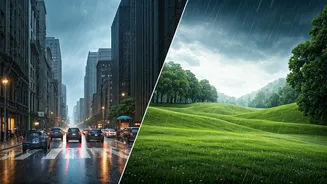
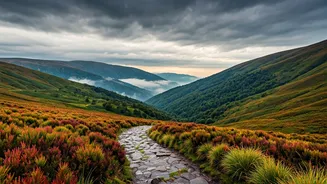
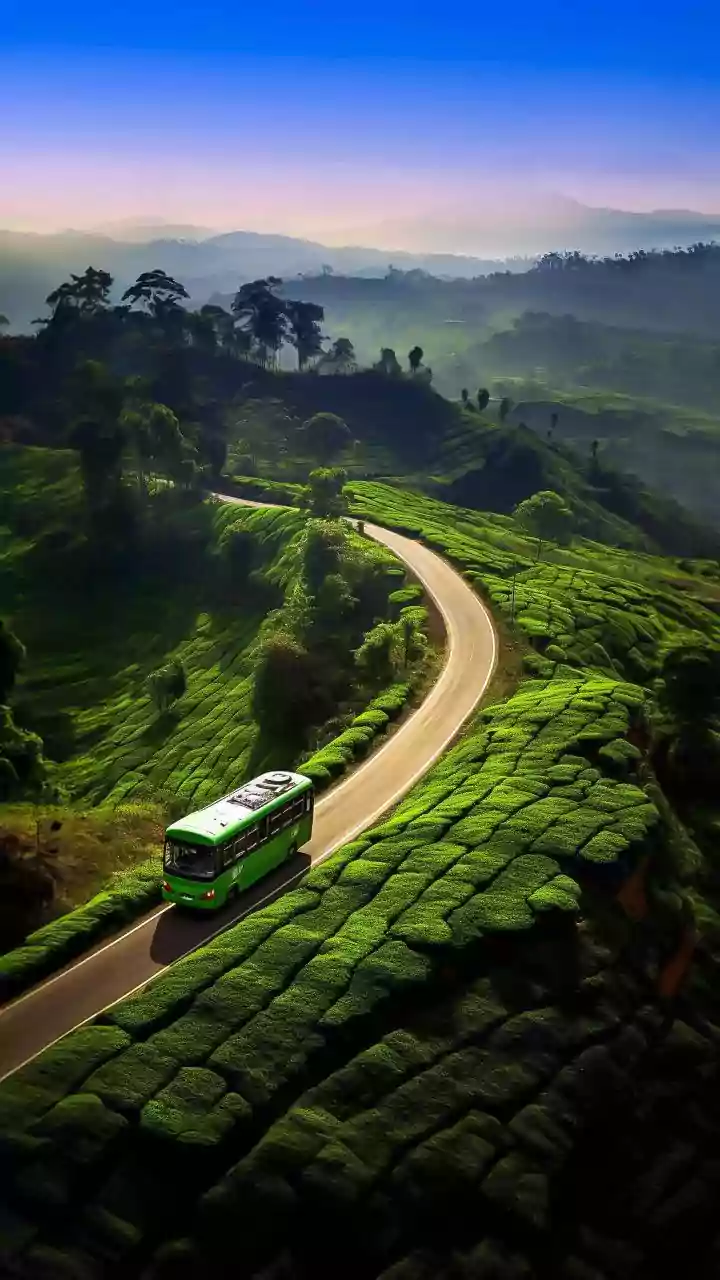
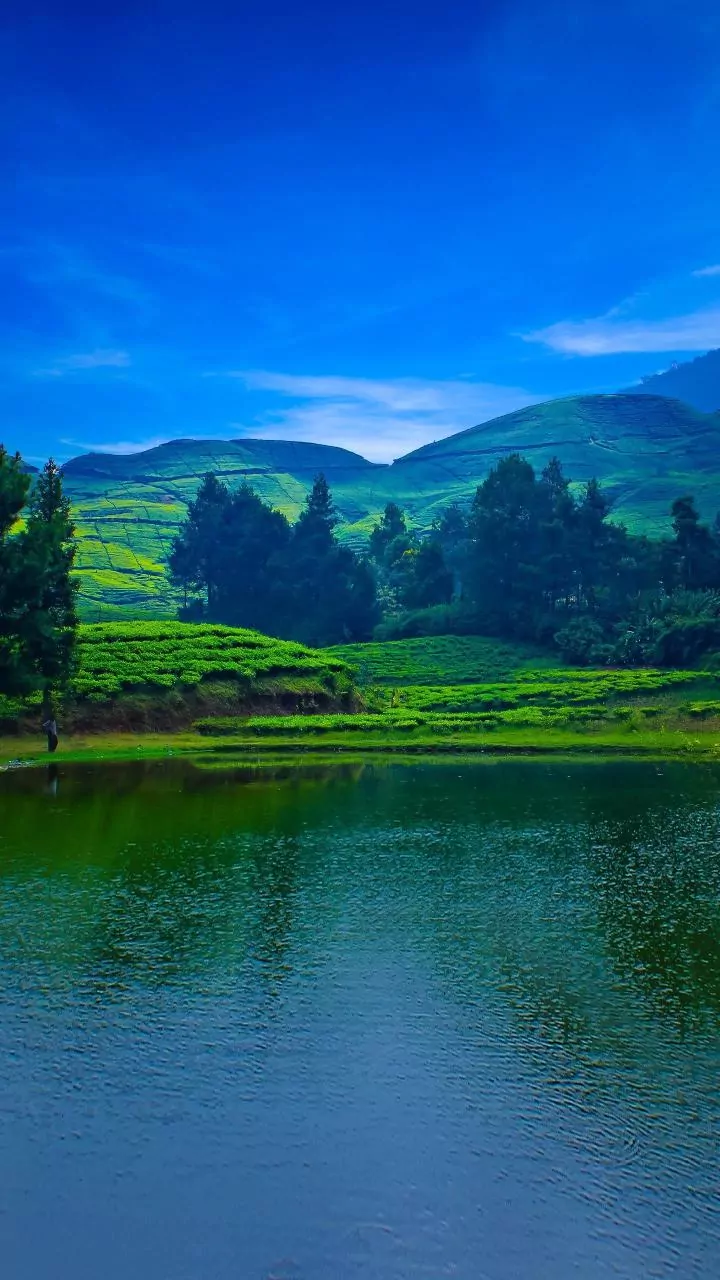
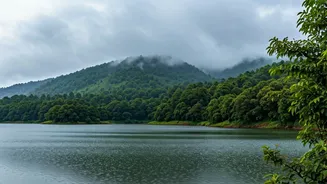
states like Assam, are best avoided. [24] Instead, consider destinations that are transformed by the rain. The Western Ghats, including spots like Lonavala, Mahabaleshwar, and Munnar, come alive with gushing waterfalls and vibrant greenery. [2, 16, 20] Rajasthan is another surprisingly good option; places like Udaipur and Mount Abu receive less rainfall, offering cooler weather and fewer crowds without the intense downpours. [18, 20] Even coastal areas can be tricky; while Goa is quieter, many beach shacks are closed, and strong currents make swimming dangerous. [9] The key is to pick spots where rain enhances the beauty rather than halting your plans.
The Ultimate Monsoon Go-Bag
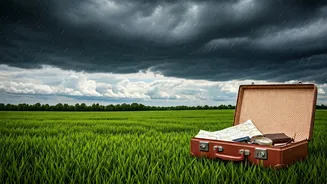
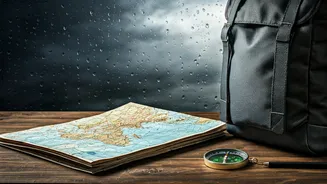
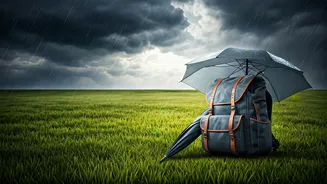
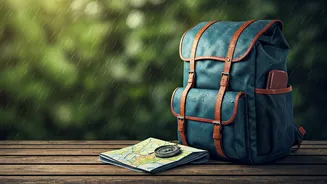
Packing for the monsoon is an art. Your regular travel gear won't cut it when humidity is high and everything feels perpetually damp. The top priority is keeping your essentials dry. A waterproof backpack or a reliable rain cover is non-negotiable. [19] For your electronics and documents, use waterproof pouches or ziplock bags. [5, 7] When it comes to clothing, think quick-dry. Synthetic fabrics like polyester and nylon are your best friends, as they dry much faster than cotton. [5, 7] Avoid heavy fabrics like denim. [3] Pack at least one extra set of clothes in a dry bag. For footwear, ditch the sneakers that will take days to dry. Instead, opt for rubber sandals, floaters with good grip, or waterproof trekking shoes for adventurous trips. [3, 4, 7] Finally, a sturdy, wind-resistant umbrella and a lightweight poncho are essential for those sudden downpours. [3, 5]
Mastering the Monsoon Road Trip
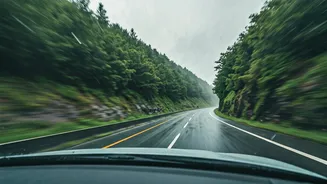
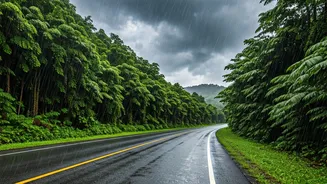
A road trip in the rains can be magical, but safety comes first. Roads become slippery, visibility drops, and waterlogged streets can hide potholes and other hazards. [13, 14] Before you start, ensure your vehicle is monsoon-ready: check your tyres for adequate tread, make sure your brakes are responsive, and confirm your wipers and headlights are working perfectly. [10, 15] On the road, reduce your speed and increase the following distance between your car and the one ahead, as braking distances are longer on wet surfaces. [11, 13] Always drive with your low-beam headlights on to improve visibility for yourself and others. [10, 15] Avoid driving through deep water; it can damage your car's engine. If you must, drive slowly and steadily. [14] It's also wise to keep your fuel tank topped up, as traffic jams are common, and carry an emergency kit with snacks, water, and a power bank. [11]
Stay Healthy, Stay Happy
Monsoon brings relief from the heat, but it also creates a breeding ground for mosquitoes and increases the risk of water-borne diseases. [21] Carry a potent insect repellent to protect yourself from bites and potential illnesses like dengue and malaria. [5, 9] Be cautious about what you eat and drink. Avoid street food, especially items that might have been exposed to contaminated water. [2, 4] Stick to bottled or filtered water to stay safe. [2, 8] High humidity can also be draining, so wear breathable clothing. A basic first-aid kit with antiseptic wipes, band-aids, and any personal medications is always a good idea to have on hand. [5, 12]
Embrace the Spirit of Plan B
The most important survival tip for monsoon travel is to have a flexible mindset. Delays are common, whether it's a cancelled flight, a blocked road, or a train running late. [21] Outdoor activities might get called off due to heavy rain. Instead of getting frustrated, build buffer days into your itinerary and have backup plans. [8] Choose accommodations that offer nice views or indoor activities, so a rainy day can be spent enjoying the scenery from your window with a hot cup of tea. [2] Monsoon travel is less about ticking off a checklist and more about soaking in the atmosphere—sometimes literally. If you're prepared for the unexpected, you'll discover a side of India that is incredibly beautiful, peaceful, and rejuvenating.