



A Look at the Numbers
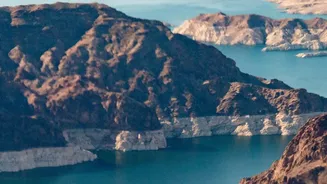
According to the latest data from the Central Water Commission (CWC) in late September, the water stored in 178 of the country's major reservoirs stood at approximately 70% of their total live capacity. This figure is notably lower than the 79% recorded
during the same period in 2025 and falls short of the 10-year average of 76.62%. These reservoirs are the backbone of India's water supply, crucial for everything from drinking water and irrigation to generating electricity. With replenishment from the monsoon now largely complete, how this stored water is managed in the coming dry months becomes critically important.
An Uneven and Deficient Monsoon
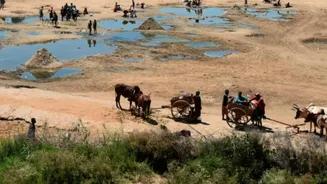
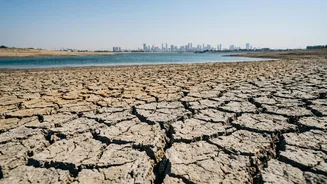
The primary cause for the lower-than-average reserves is the performance of the 2026 southwest monsoon. The season, which provides over 70% of India's annual rainfall, was uneven and ended with a cumulative rainfall deficit of around 12% below normal. Some regions were hit particularly hard. The southern region, encompassing Andhra Pradesh, Telangana, Karnataka, Kerala, and Tamil Nadu, has been most affected, with reservoirs at only about 50% of their capacity, a steep drop from 87% the previous year. Northern India has also seen a significant decline. This shortfall directly translates to less water captured in the vast reservoir systems that millions of people depend on.
The Spotlight Turns to Cities
With agricultural and power generation needs also drawing from these limited reserves, the pressure on urban water supply is set to intensify. Rapid urbanisation continues to place enormous strain on municipal water systems, which are often already overstretched. Government initiatives like the Atal Mission for Rejuvenation and Urban Transformation (AMRUT 2.0) are focused on improving water infrastructure, but low reservoir levels add a layer of immediate urgency. In recent weeks, leaders have called for urban local bodies to become more sensitised to water challenges and promote public participation in conservation efforts, signalling a top-down push for greater urban water discipline.
The Urban Conservation Toolkit
What does increased focus on urban conservation look like in practice? For municipalities, it can mean a range of measures from public awareness campaigns to more stringent actions like water rationing, tariff adjustments, and a crackdown on illegal connections and leakages. There is also a strong push to enhance infrastructure, including the promotion of rainwater harvesting, restoring traditional water bodies, and increasing the reuse of treated wastewater for non-potable purposes like industrial use. The goal is to create a more resilient system that doesn't just rely on a good monsoon but actively manages the water it has.
What Every Household Can Do
While large-scale policies are essential, household-level habits play a significant role in collective water security. Simple, consistent actions can lead to substantial savings. Fixing leaks is paramount; a single dripping tap can waste thousands of litres a year. Opting for shorter showers instead of baths, or using a bucket, can save a tremendous amount of water daily. Other impactful habits include only running washing machines and dishwashers with full loads, turning off the tap while brushing teeth, and reusing water from rinsing vegetables to water plants. In many modern homes, collecting the wastewater from RO water purifiers for cleaning floors or other tasks is another effective way to reduce overall consumption.