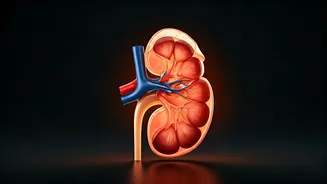









The Myth: Protein Shakes Will Damage Your Kidneys
One of the most widespread and persistent myths about protein shakes is that they are inherently dangerous for your kidneys. The story goes that consuming concentrated protein, like that found in powders, overloads these vital organs, leading to stress,
damage, and potentially long-term kidney disease. This fear has caused many health-conscious individuals to avoid protein supplements altogether, worried they might be trading muscle support for organ damage. The belief is rooted in the fact that when your body metabolizes protein, it produces waste products like urea, which the kidneys are responsible for filtering from the blood. The thinking is that a high protein intake creates more work for the kidneys, which could be harmful over time.
The Reality: Healthy Kidneys Can Handle It
For the vast majority of people, this fear is unfounded. Numerous scientific studies and comprehensive reviews have consistently shown that high protein intake does not cause kidney damage in individuals with healthy, functioning kidneys. While it's true that a higher protein intake increases the glomerular filtration rate (GFR)—a measure of how much blood your kidneys filter per minute—this is considered a normal, adaptive response, not a sign of damage. Think of it as your kidneys temporarily ramping up their efficiency to handle the metabolic demand, much like your heart rate increases during exercise. Leading health organizations and long-term studies, like the Framingham Offspring Study, have found no link between higher protein consumption and a decline in kidney function in healthy adults. So, if your kidneys are in good health, adding a protein shake to your routine to meet your fitness goals is generally considered safe.
The Important Exception: Pre-Existing Conditions
The critical distinction lies in the health of your kidneys *before* you increase your protein intake. For individuals who already have a pre-existing kidney condition, such as chronic kidney disease (CKD), the advice is very different. In this case, the kidneys are already under stress and have a compromised ability to filter waste. A high-protein diet can indeed accelerate the decline of kidney function in these individuals, and doctors will typically recommend a protein-restricted diet. This is where the myth originated—from observations in patients with existing kidney problems, which were then incorrectly applied to the general healthy population. Therefore, if you have any known kidney issues, diabetes, or high blood pressure, it is essential to consult a doctor before adding protein supplements to your diet.
Other Common Myths, Debunked
Beyond kidney health, other myths often cloud the conversation around protein shakes. * **Myth: Protein shakes will make you 'bulky'.** This is a common concern, especially among women. The truth is, protein alone does not create bulk. Gaining significant muscle mass requires a combination of a calorie surplus and intense, consistent resistance training. For women, it is physiologically more difficult to build large muscles due to lower testosterone levels. For most, protein supplements support the development of lean, toned muscle, not unwanted bulk. * **Myth: You must drink a shake within the 30-minute 'anabolic window'.** The idea that you have a tiny window post-workout to consume protein or you'll miss your gains is largely outdated. Research now shows this 'window' is much wider, lasting several hours. While post-workout protein is beneficial, total daily protein intake and distributing it evenly throughout the day are more important for muscle growth.
The Real Purpose of a Protein Shake
It's crucial to see protein shakes for what they are: a supplement, not a magic solution or a meal replacement unless specifically designed as one. Their main purpose is to provide a convenient and efficient way to help you meet your daily protein requirements, especially after a workout or when whole food sources aren't practical. They are not nutritionally complete and shouldn't replace a balanced diet rich in whole foods like fruits, vegetables, and lean proteins. Relying too heavily on shakes means you miss out on the fibre, vitamins, minerals, and other beneficial compounds found in whole foods. Weight gain can also occur if shakes are added on top of a regular diet without adjusting total calorie intake.