

A Gift from Halley's Comet
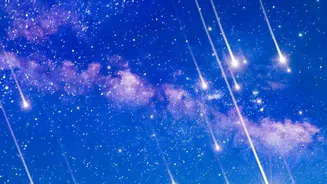
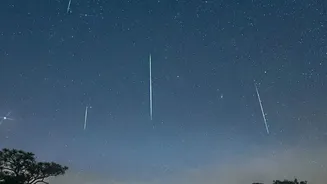
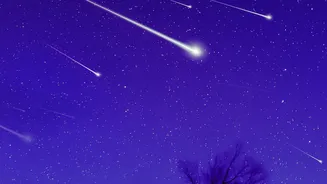
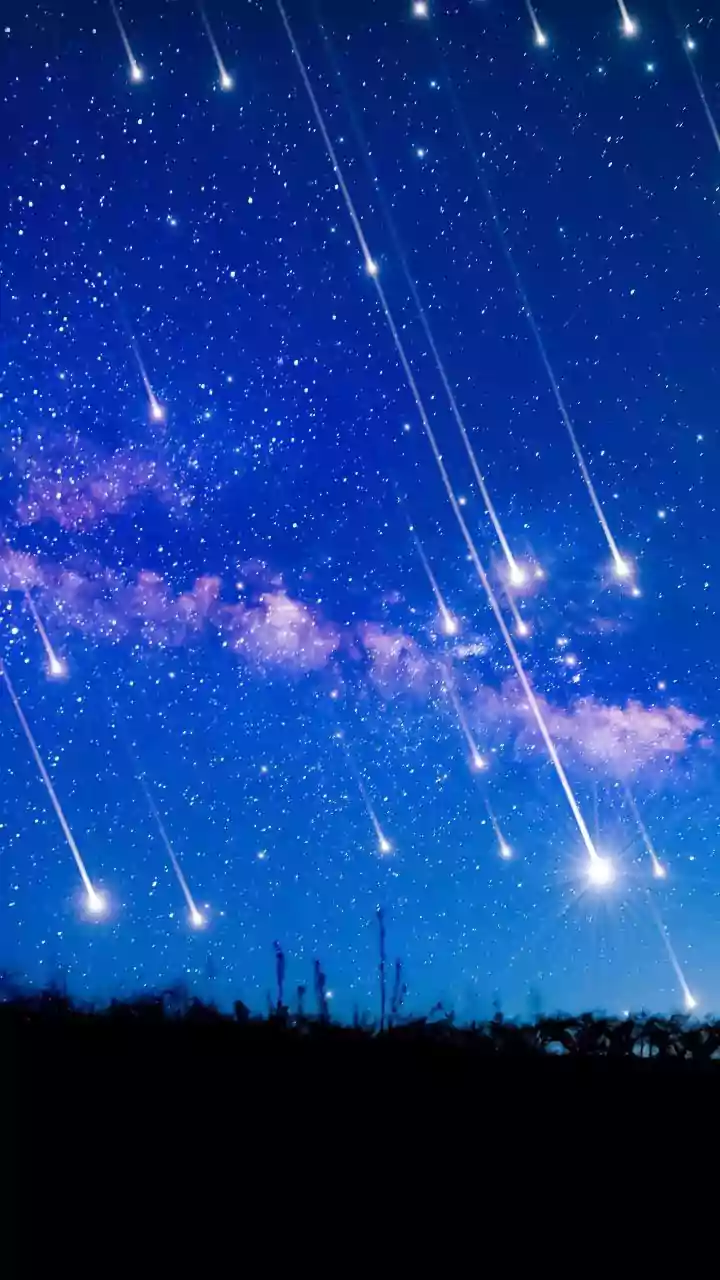
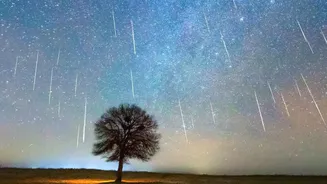
The Orionid meteor shower is a special astronomical event, an annual gift from one of the most famous comets in history: Halley's Comet. Each October, the Earth passes through the trail of dust and debris left behind by Halley's Comet on its 76-year journey
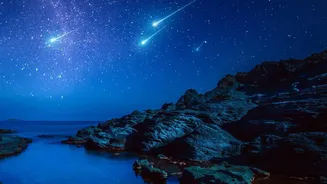
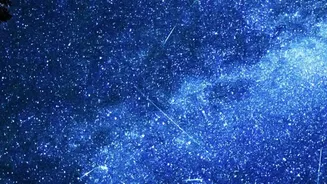
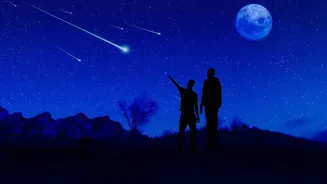
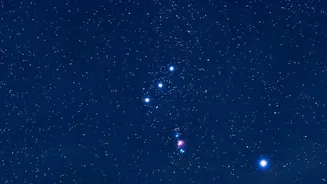
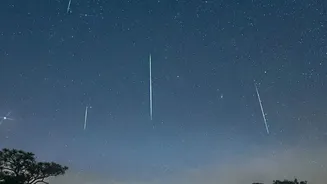
around the sun. These tiny particles, often no bigger than a grain of sand, burn up as they enter our atmosphere at incredibly high speeds—about 66 kilometres per second. This fiery entry creates the spectacular streaks of light we call meteors, or 'shooting stars'. The shower gets its name because the meteors appear to radiate from a point in the constellation Orion, the Hunter. However, you don't need to look directly at the constellation to see them; they can appear anywhere in the night sky.
Peak Viewing Times for 2026
Mark your calendars for the night of October 21-22, 2026, which is when the Orionid meteor shower is predicted to reach its peak. While the shower is active from early October to early November, your best chance to see the highest concentration of meteors—around 15 to 25 per hour in ideal conditions—will be during these peak dates. This year, there's a slight challenge: a bright waxing gibbous moon will be in the sky for the first part of the night. However, the moon is expected to set around 3 a.m. local time. This creates a perfect, dark window for viewing from moonset until the beginning of dawn. So, for the best show, plan for a very early morning watch rather than a late evening one.
Find a Dark, Open Space
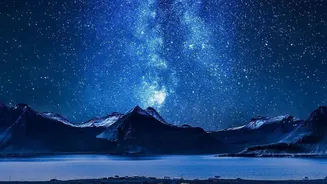
The single most important factor for a successful meteor watch is getting away from light pollution. City and even suburban lights can drastically reduce the number of visible meteors, washing out all but the very brightest ones. To maximize your chances, plan to travel to a location with dark skies, such as a rural area, a park, or a designated dark-sky site, at least a 30-minute drive from city limits. Look for a spot with a wide, unobstructed view of the sky, free from tall trees or buildings. Since the meteors can appear anywhere, the more sky you can see, the better. And remember, you don't need any special equipment like binoculars or a telescope; their narrow fields of view are not ideal for catching the fleeting streaks of a meteor shower.
Dress in Warm Layers
Even on a mild autumn day, the temperature can drop significantly after midnight. Since you'll be sitting still for a long period, your body will get cold faster than you think. The key to staying warm is dressing in multiple, overlapping layers rather than one bulky coat. Start with a base layer like thermal underwear, add a fleece or sweater, and top it with a wind-resistant jacket. Don't forget to wear a hat that covers your ears, warm socks, and gloves or mittens. The idea is to trap air between the layers, which acts as an excellent insulator. If you get too warm, you can easily remove a layer. It's better to over-prepare and be comfortable than to have your stargazing session cut short by the cold.
The Right Seat and Other Comforts
Lying on your back is the best way to take in as much of the sky as possible without straining your neck. A reclining lawn chair or lounger is perfect for this. Alternatively, you can bring several blankets: one to lie on as a cushion against the cold ground and another to wrap yourself in for extra warmth. A sleeping bag can be an even warmer option. To make the experience even more enjoyable, pack a thermos filled with a warm, non-alcoholic beverage like hot chocolate or tea. Alcohol can actually make you feel colder faster and can dull your vision. Don't forget some snacks to keep your energy up.
Give Your Eyes Time to Adapt
Once you've settled into your spot, there's one more crucial step: patience. It takes about 20 to 30 minutes for your eyes to fully adapt to the darkness. During this time, avoid looking at any bright lights, especially your phone screen. The white light from a screen will reset your night vision, and you'll have to start the adaptation process all over again. If you need a light, use a red torch or a headlamp with a red-light setting, as red light has a minimal effect on your dark-adapted eyes. Once your eyes have adjusted, you'll be amazed at how many more stars—and meteors—you can see.